


A geopolitical crisis in the Middle East has triggered a significant inflation spike across the United States, with consumer prices climbing to their fastest pace in nearly two years as energy costs surge.
The Consumer Price Index jumped to 3.3% on an annual basis in March, up sharply from 2.4% in February, according to fresh government data. This represents the highest inflation reading since May 2024 and comes as conflict in the region has disrupted global oil supplies.
Energy Crisis Hits the Pump Hard
The Iran war, which began on February 28, has constricted crude oil flows through the strategically vital Strait of Hormuz, creating a supply crunch that has rippled across global energy markets. Energy prices surged 10.9% in March alone, with gasoline prices recording their largest monthly jump in nearly 60 years.
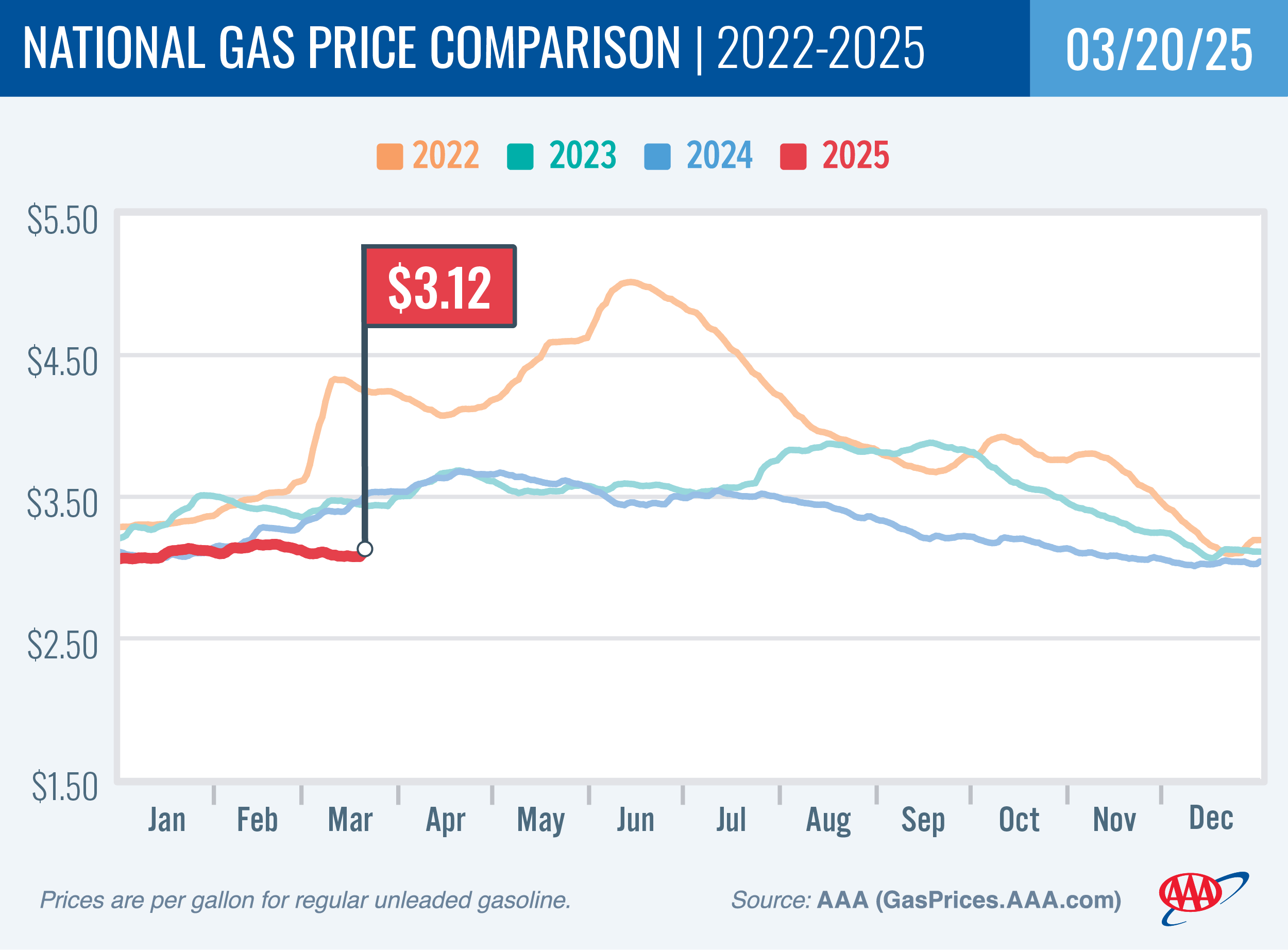
U.S. gasoline prices climbed 21.2% from February, marking the most significant single-month increase since 1967, according to Bureau of Labor Statistics data. The national average has now reached $4.15 per gallon—a 40% spike since the conflict began less than two months ago.
The wholesale price of crude oil tells the story. Brent crude, the international benchmark, has climbed from $73 per barrel before the war to nearly $96 by early April. U.S. crude has followed suit, hovering near $97 per barrel.
Ripple Effects Expected Across Economy
While core inflation—a measure that excludes volatile energy and food prices—came in at 2.6% annually, economists warn that higher fuel costs will inevitably push prices higher across multiple sectors in the coming months.
Airlines have already begun passing fuel surcharges to consumers, with airfares climbing 14.9% on an annual basis. Shipping and transportation costs are expected to follow, which could drive up grocery prices and everyday goods as diesel fuel remains elevated.
"This is only the beginning. Food prices, travel and shipping costs are all going up in April and will exacerbate the pain," said Heather Long, chief economist at Navy Federal Credit Union.
Some economists see potential relief on the horizon. A ceasefire announcement between the U.S. and Iran on Tuesday could ease market tensions, though energy analysts caution it may take weeks before pump prices retreat below the $4-per-gallon threshold.
Fed's Inflation Target Still Under Pressure
The spike underscores persistent challenges for the Federal Reserve, which maintains a 2% annual inflation target. Before the geopolitical shock, inflation was already running above that target at 2.8%, suggesting underlying price pressures remain stubborn even without the energy crisis.
Economists remain divided on whether this is a temporary shock or a sign of broader inflationary pressures. Some analysts believe geopolitical tensions will eventually ease and markets will stabilize. Others, however, warn that inflation could remain elevated throughout 2026 as energy costs filter through the economy.
This article is based on reporting from CBS News.