


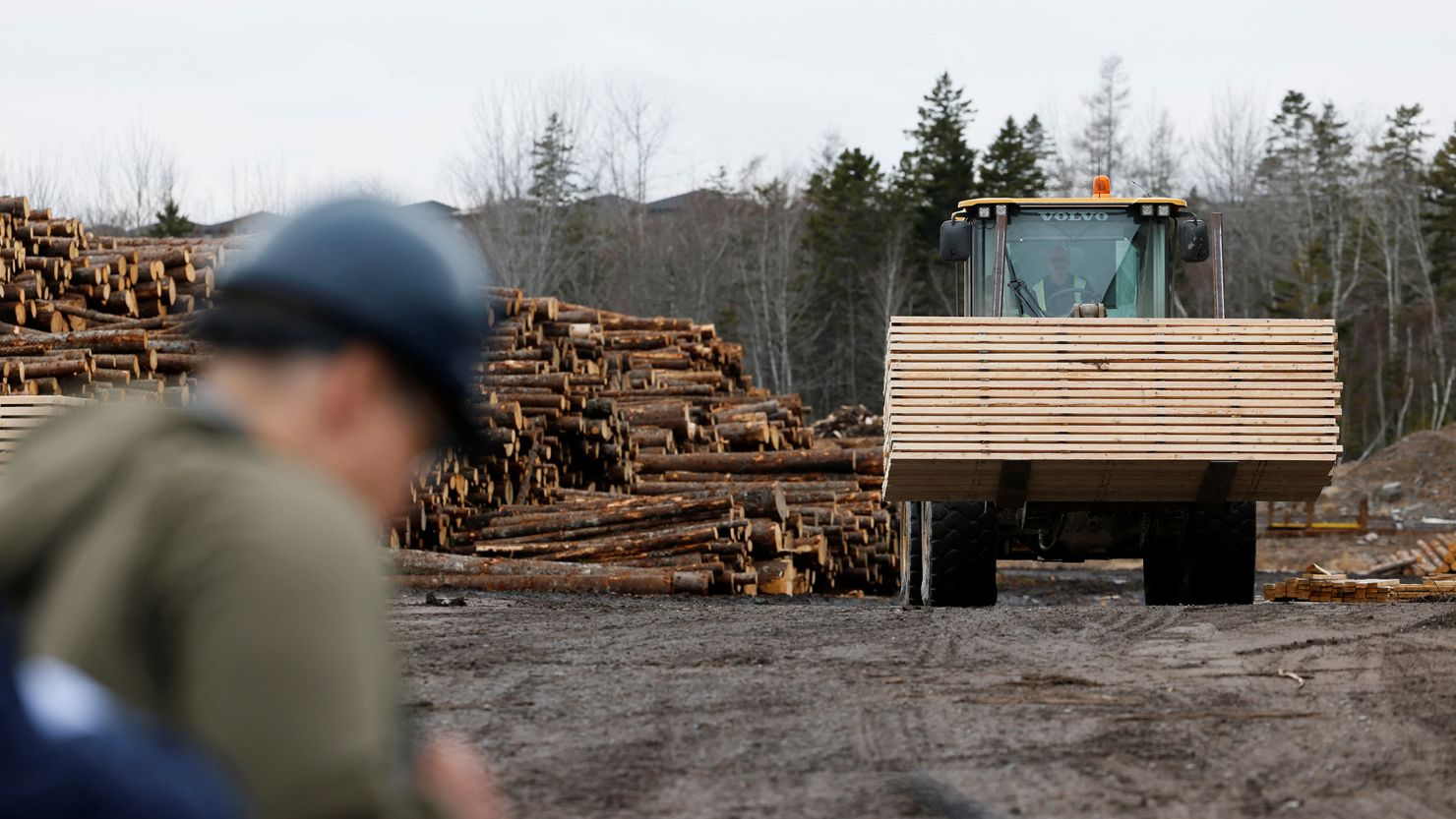
The U.S. Department of Commerce has posted preliminary tariff numbers that could offer some relief to Canada's battered softwood lumber sector — but industry leaders are sounding the alarm that any victory may be temporary at best.
The Commerce Department's updated determination puts potential tariffs at just under 25 per cent, down from the current punishing rate exceeding 35 per cent. However, the final decision won't come until August, leaving manufacturers in limbo and facing continued uncertainty.
"While these numbers suggest a possible reduction, we cannot celebrate prematurely," said Brian Menzies, executive director of the Independent Wood Processors Association, in a statement Friday. "The final tariff rate could easily remain unchanged or even increase."
The wood processors argue they are being unfairly targeted. According to the association, Canadian manufacturers do not hold timber tenures, harvest Crown timber, or receive subsidies — making their inclusion in the dispute fundamentally unjust.
A Broken System Takes Its Toll
B.C.'s forestry sector has been hammered by escalating U.S. duties stacked on top of domestic challenges including pine beetle infestations and devastating wildfires. The cumulative effect has cost the province thousands of jobs and threatens thousands more.
B.C. Forests Minister Ravi Parmar expressed frustration with Washington's continued stance. "The United States has signalled it will continue imposing unwarranted and unfair duties on Canadian softwood lumber products," Parmar said. "These duties serve only to damage both economies by harming B.C. and Canadian communities, and increasing housing and renovation costs for American families."
Premier David Eby went further, arguing that Canada's forests industry deserves far greater priority in trade negotiations. The sector contributes more to Canada's GDP than steel and auto parts combined, he noted.
Looking Beyond Tariff Disputes
With confidence in the U.S. market eroding, B.C. is actively diversifying its export strategy. The province has established a forest trade office in the United Kingdom to develop new markets and reduce dependence on American buyers.
Meanwhile, both Canadian and U.S. industry groups have called for direct government-to-government negotiations rather than continuing what they describe as an "endless cycle of litigation" through existing dispute-resolution mechanisms under the Canada-United States-Mexico Agreement (CUSMA).
"Consumers, workers, and businesses on both sides of the border are being penalized with uncertainty and higher prices," the wood processors said. "This broken process needs to be replaced with genuine negotiation."
Eby pointed to a potential tool for resolution: an $8 billion joint tariff account held between Canada and the United States that could be directed toward supporting forest manufacturers on both sides of the border who are struggling under current trade policies and depressed lumber prices.
This article is based on reporting by CBC News.