


Norm Johnson was the kind of man who made strangers into friends over coffee and a generous tab. The former CEO in land development and oil and gas spent countless hours at Calgary's Café Beano, picking up tabs for visitors, leaving gift cards for those in need, and breaking down the walls of stigma around mental health struggles with his openness and warmth.
When Norm passed away in early April, he left behind more than memories of his quiet acts of kindness. His son Trevor Johnson, inspired by his father's legacy and the tragic loss of a close friend to suicide, has become a driving force behind groundbreaking mental health research at the University of Calgary.
A Life of Compassion Leaves Its Mark
"He just created his own dramatic moments in life by — let's call it — some grassroots micro-philanthropy," Trevor said of his father, whose openness about his own bipolar disorder challenged misconceptions across Calgary's business and social communities.
Emily Pohorelic, manager of Café Beano, witnessed Norm's impact firsthand. "Norm was incredibly generous," she said. "A lot of pay it forward — a lot of people would add $20 to the pile and it would kind of keep going all day. It definitely encourages people to be giving, to take care of each other."
What made Norm remarkable wasn't just his generosity with money—it was his generosity of spirit. "Norm broke stigma," Pohorelic added. "He was a well-off man who was open about struggles."
Trevor described his father as someone who "found a friend in every stranger" and "just found value in every human out there."
Turning Grief Into Groundbreaking Treatment Options
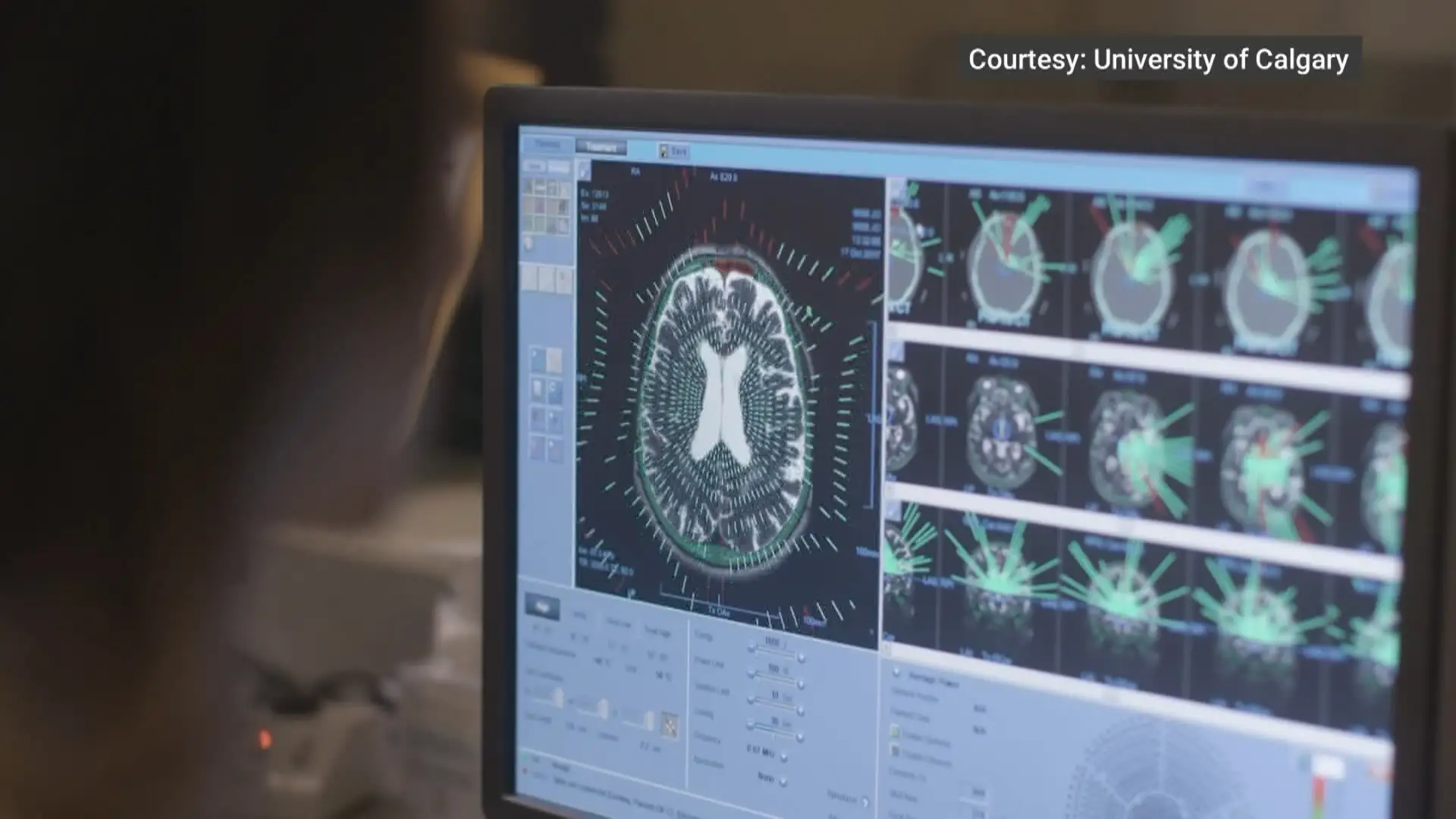
Inspired by his father's memory and determined to prevent others from experiencing the pain of losing someone to mental health crises, Trevor has championed fundraising efforts for the University of Calgary's Mental Health Initiative for Stress and Trauma (MIST). The research program is revolutionizing how scientists understand and treat the psychological aftermath of head injuries and trauma.
"A lot of people are not aware that this is something that is quite common in the aftermath of a head trauma—they have long lasting and protracted changes in their mental health," explained Dr. Matthew Hill, a key researcher with the initiative.
MIST is currently conducting the first-ever clinical trials using psychedelics as a therapeutic treatment for people experiencing persistent mental health effects following concussions. This represents a dramatic shift from conventional approaches that have historically focused only on physical recovery.
A New Path Forward
Leah Mayo, a MIST researcher, outlined the promise of this work: "If we provide the right support through the psychotherapy we can help people shift into more adaptive and beneficial thought and behavioural patterns and hopefully provide long-lasting symptom relief."
The research emerging from MIST offers hope to those like Norm who struggled with lasting mental health challenges—people who might find relief through approaches that mainstream institutions have historically overlooked or dismissed. By studying innovative treatment pathways and moving beyond pharmaceutical-first models, the initiative represents a meaningful shift in how Canada approaches mental health recovery.
As Trevor continues his father's work through fundraising and advocacy, Norm's legacy of compassion and openness continues to reshape mental health care in Calgary and beyond—one breakthrough at a time.
This story was originally reported by Global Calgary.