


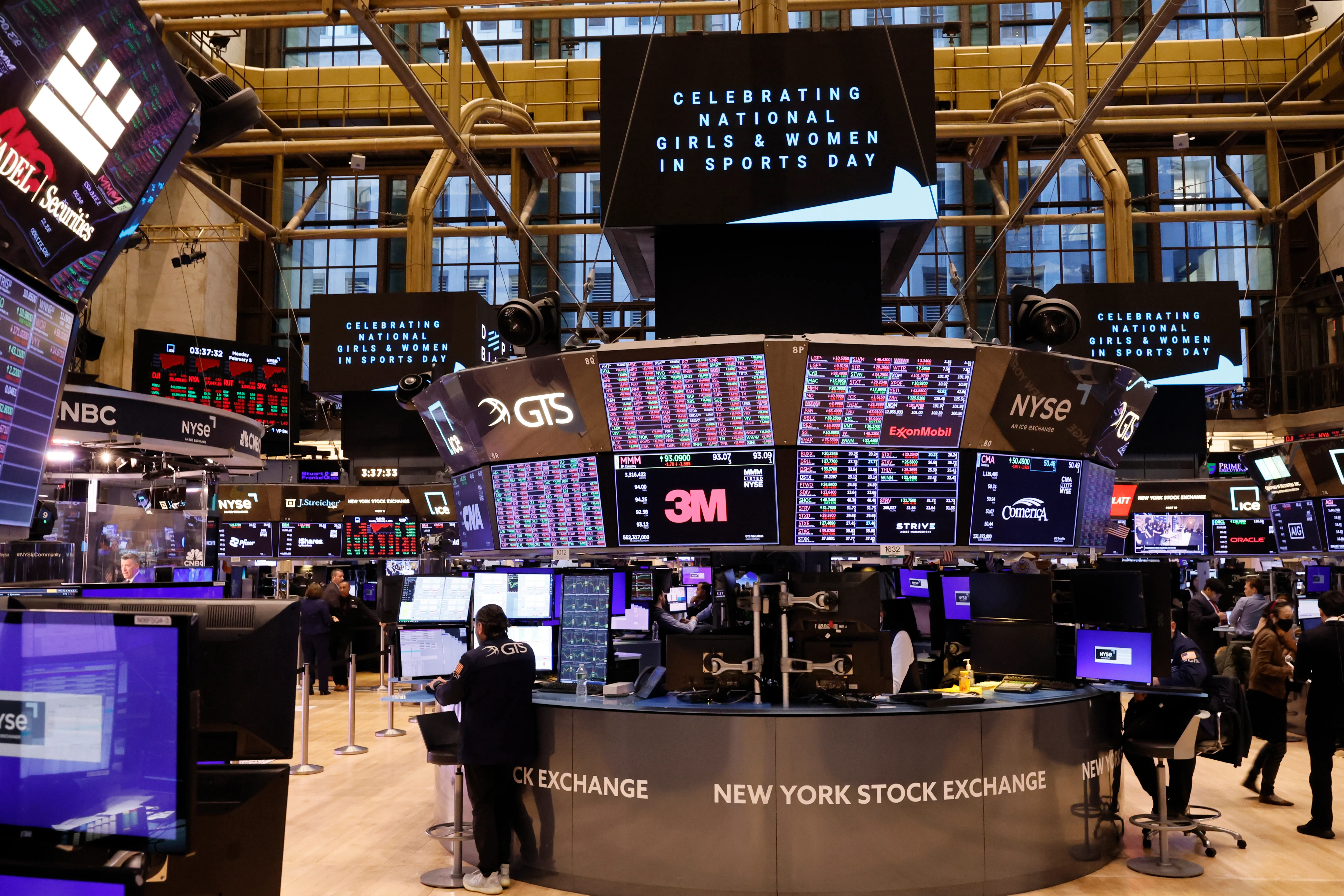
Stock markets across North America staged a strong recovery Monday, with major U.S. indices erasing losses tied to escalating U.S.-Iran tensions and signalling investor confidence that economic catastrophe can still be avoided.
The S&P 500 climbed 1 per cent, moving within striking distance of its all-time high set earlier this year. The Dow Jones Industrial Average gained 301 points—a 0.6 per cent increase—while the Nasdaq composite surged 1.2 per cent. North of the border, Canada's S&P/TSX composite index added 183.48 points to close at 33,879.24.
Oil Markets Show Restraint After Weekend Talks Collapse
Energy markets, which had spiked sharply when weekend ceasefire negotiations failed, showed signs of stabilization as trading progressed. Brent crude oil, the global benchmark, settled at US$99.36 per barrel—still significantly above the roughly US$70 level before the conflict erupted in late February, but well below the US$119 peak reached during earlier periods of intense geopolitical anxiety.
The modest pullback came despite heightened rhetoric over the weekend. U.S. President Donald Trump vowed to blockade the Strait of Hormuz, a critical chokepoint through which much of the world's Persian Gulf oil passes to international markets. Iran responded with threats against ports throughout the Persian Gulf and Gulf of Oman.
"Markets are taking some encouragement from the fact that the two sides are talking and that the broader ceasefire seems to be holding, for now," said Sameer Samana, head of global equities and real assets at Wells Fargo Investment Institute.
Corporate Earnings Could Shift the Narrative
Investors are increasingly focused on first-quarter earnings reports from major U.S. corporations, which have begun rolling out. Strong financial results could help offset lingering concerns about supply chain disruptions and energy price volatility stemming from tensions in the Middle East. Historically, stock valuations follow corporate profit trends over extended periods, making earnings season a critical test for market sentiment.
In fixed-income markets, Treasury yields dipped lower as oil prices receded from morning highs. The 10-year U.S. Treasury yield fell to 4.29 per cent from 4.31 per cent late Friday.
International Markets Paint Mixed Picture
The recovery was primarily a North American phenomenon. Stock exchanges across Europe and Asia posted declines, with Hong Kong's Hang Seng dropping 0.9 per cent and South Korea's Kospi sinking the same amount—among the world's larger losses of the session.
The geopolitical standoff continues to ripple through consumer-facing sectors. Economic analysts warn that elevated fuel prices will likely translate to higher grocery bills in coming weeks, particularly for imported produce and certain meat and dairy products.
This article is based on reporting from CBC World.