


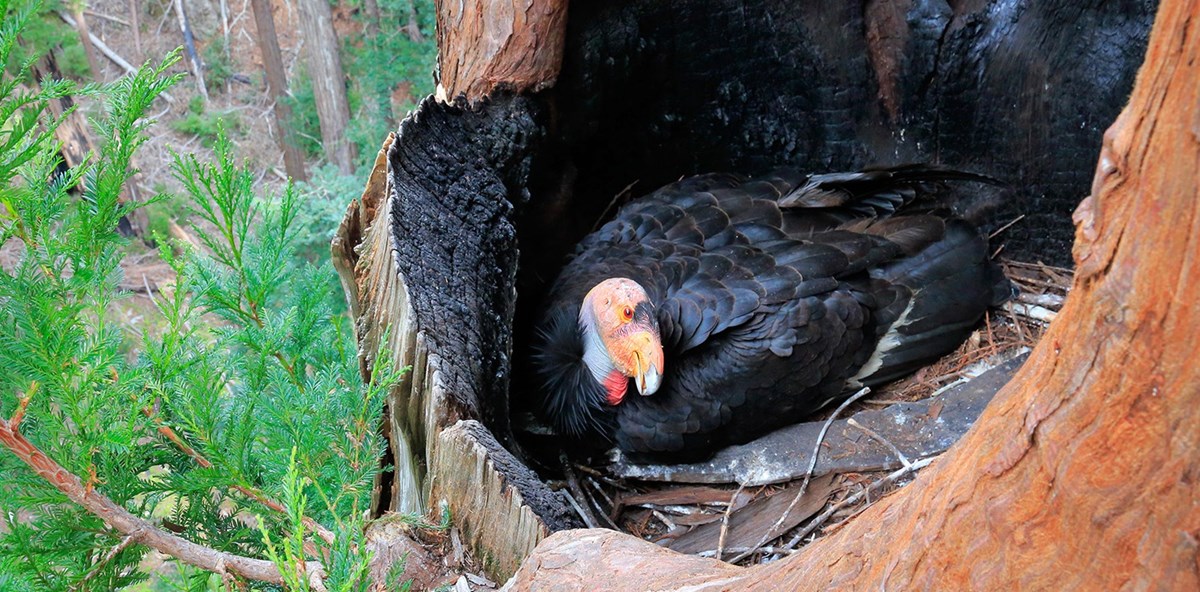
Wildlife conservationists in Northern California are holding their breath as two California condors appear to be incubating an egg deep in the forests of Redwood National and State Parks — potentially marking the first wild breeding success for the species in the region in over a century.
The discovery came as a pleasant surprise when researchers monitoring the male bird, known as Hlow Hoo-letl ("at least I fly" in Yurok), detected he had been motionless for extended periods. Rather than signalling distress, the bird was simply doing what birds do best: sitting on an egg.
"Two birds doing what they do and making this next generation of wild birds for the region is just — it's incredible," said Chris West, a wildlife biologist managing the Northern California Condor Restoration Program through the Yurok Tribe Wildlife Department.
A Love Story Among the Redwoods
The breeding pair consists of Hlow Hoo-letl, born at the World Center for Birds of Prey, and his mate Ney-gem' 'Ne-chween-kah ("she carries our prayers"), who was bred at the Oregon Zoo. West's team first noticed the pair bonding last year when they began spending time away from their larger social groups — a telltale sign of romance among these highly social birds.
"As soon as you see a male and female of breeding age spending time away from the rest of the group, you really get suspicious," West explained. The pair's dedication to their nest suggests they're taking turns incubating their egg, a sign of genuine parental commitment.
A Species on the Brink of Extinction
California condors are among the world's largest flying birds, once soaring freely from British Columbia to Mexico. But centuries of poaching, habitat destruction, and lead poisoning from ammunition decimated populations. By the 1980s, fewer than 20 remained in the wild.
Today, thanks to intensive captive breeding and reintroduction programs, the total population has climbed to 392 birds. However, only 24 of these live in Northern California, where reintroduction efforts began just four years ago in 2022.
17 Years of Dedication Pay Off
The Yurok Tribe has been at the forefront of bringing condors back to Northern California, partnering with federal and state officials for the past 17 years. This natural breeding represents a monumental achievement for Indigenous-led conservation, proving that restoration programs can succeed when communities take the lead in protecting their lands and wildlife.
If the egg successfully hatches, the chick will represent not just a biological milestone, but a testament to the power of persistent, respectful stewardship of nature. While condors only produce one egg annually, this breeding pair has already demonstrated what's possible when two creatures — and the humans supporting them — work together toward survival.
West and his team continue monitoring the nest from a respectful distance, hoping that within weeks, they'll witness the birth of a new generation of wild condors in Northern California.
This article is based on reporting from CBC Tech and As It Happens. Read the full story at CBC.