


Prime Minister Mark Carney has designated the Pacific Link pipeline a project of national interest, clearing a major regulatory hurdle for what could be the largest energy infrastructure push Alberta has seen in more than a decade.
The announcement, made this week in Fort McMurray, marks the first project to receive the streamlined approval process under legislation passed last year. The million-barrel-per-day pipeline would transport Alberta crude to a tanker export terminal in southern British Columbia, potentially opening new markets in Asia and beyond.
The designation allows the project to bypass lengthy traditional reviews and instead move through a Calgary-based major projects office designed to accelerate approvals for infrastructure deemed critical to Canada's economic interests.
A Different Kind of Growth
When asked whether Fort McMurray could expect a return to boom times, Carney chose his words carefully. "I wouldn't use the term 'boom,' " he said. "I would use 'sustained growth.'"
The distinction matters. The mid-2000s to mid-2010s oil boom transformed Alberta but left scars: skyrocketing construction costs, severe labour shortages, and a housing crisis that made it nearly impossible for workers to find affordable places to live.
Alberta Premier Danielle Smith echoed that sentiment, emphasizing that industry has learned to expand production more strategically. "Companies have managed to find a way to increase production without having the kind of dramatic pressure that we saw in the past of a large number of people moving here, not able to find homes," she said.
Why Now?
The timing of this announcement reflects a dramatic shift in global energy politics. The Middle East conflict has exposed vulnerabilities in international oil supply chains, creating demand for reliable suppliers like Canada. Meanwhile, a cascade of federal energy policies from the Trudeau era—long despised by oilpatch executives—have been reversed or replaced.
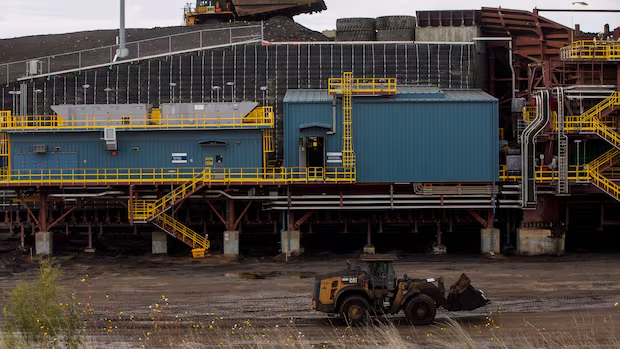
For years, major oilsands companies have avoided massive new projects. The last major facility built from scratch was Suncor Energy's Fort Hills, which opened in 2018 after costs ballooned from $13.5 billion to more than $17 billion between its 2013 approval and startup. Instead, industry has focused on tweaking existing operations to squeeze out more production.
Executives have pointed to limited pipeline capacity, regulatory gridlock, and strict environmental standards as reasons for the investment freeze. The 2014-2016 crude price collapse and the COVID-19 pandemic's demand destruction didn't help either.
The Pipeline's Promise
If Pacific Link succeeds, it could unlock billions in new oilsands investment by giving producers reliable export routes to premium Asian markets. That's the bet Carney and Smith are making: better infrastructure plus regulatory clarity equals renewed confidence and capital spending.
"We learned lessons from the past in building infrastructure," Carney told reporters, suggesting the government is committed to avoiding the chaos of previous expansion cycles.
The Pacific Link designation signals Ottawa and Edmonton believe the conditions are finally right for the next chapter of Alberta's energy sector—not a chaotic boom, but what leaders are banking will be smarter, more sustainable growth.
This article is based on reporting from CBC Politics. Read the original story at CBC News.