


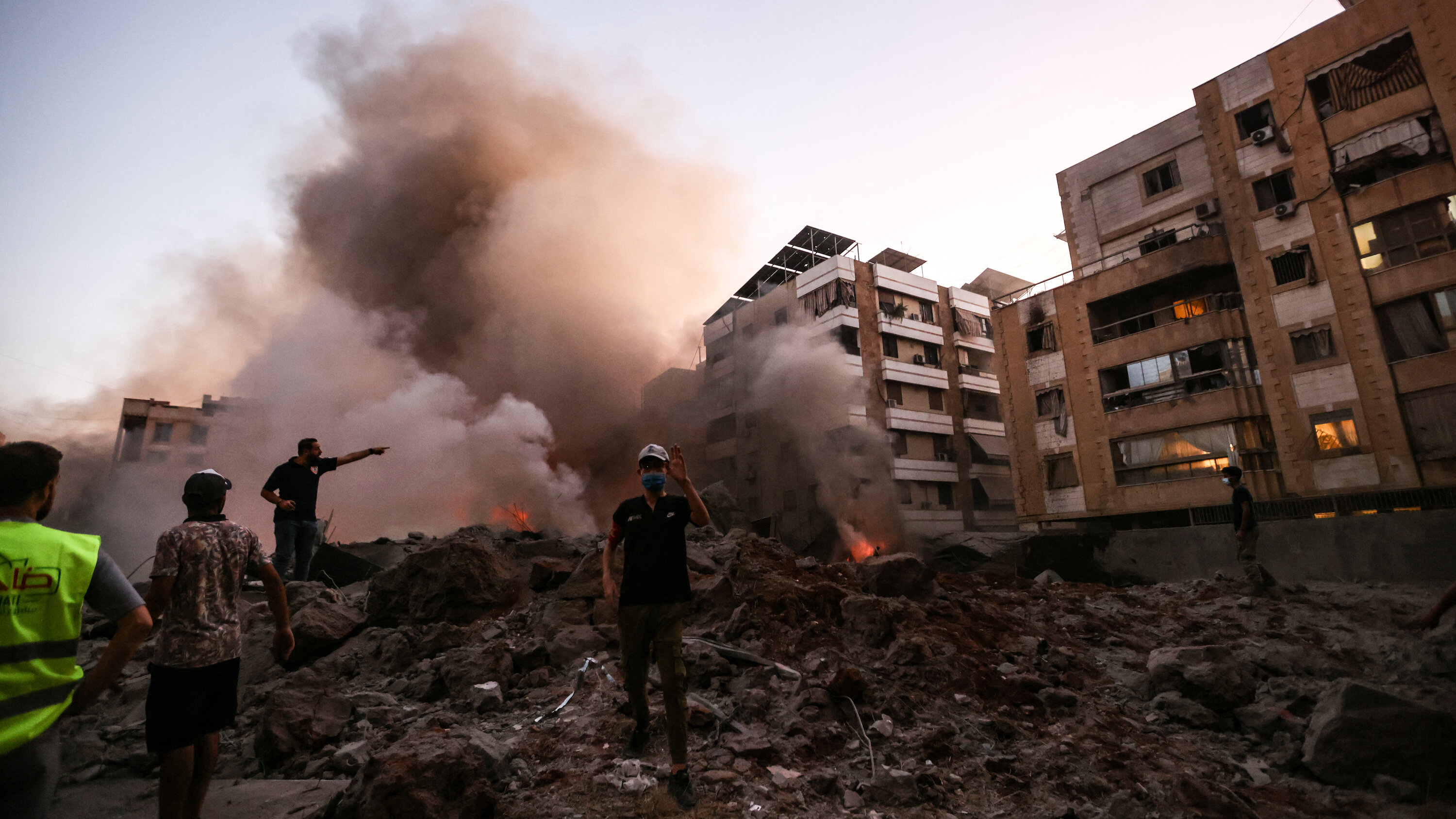
Tensions in the Middle East are reaching a critical breaking point as Israel intensifies military operations against Hezbollah in Lebanon, threatening to collapse a ceasefire that has proven increasingly fragile since its implementation.
The Israeli Defense Forces announced Monday that it has launched strikes against Hezbollah infrastructure sites throughout the Beqaa Valley and across southern Lebanon, signalling a dramatic escalation in hostilities despite ongoing diplomatic negotiations brokered by the Trump administration.
The announcement came shortly after Israeli communities along the northern border detected drone incursions, with authorities reporting multiple air raid sirens sounding in affected areas. While officials said there were no immediate reports of direct impacts, the incidents underscore the volatile security situation on both sides of the border.
The ceasefire, which has been extended multiple times since taking effect, continues to deteriorate as both sides level accusations of violations. Lebanon's health ministry reported that Israeli strikes killed 14 people on Sunday alone—the deadliest single day since the truce began—while Israel confirmed the loss of a soldier in ongoing combat operations in the south.
Political Fallout in Lebanon
Lebanon's President Joseph Aoun struck a defiant tone Monday, defending his government's decision to pursue negotiations with Israel and criticizing those who oppose the ceasefire arrangement. Aoun's comments appear aimed directly at Hezbollah, which has refused to participate in the talks and continues offensive operations independently.
"Some criticize us for deciding to go into negotiations under the pretext that there is no national consensus," Aoun stated. "I ask: When you went to war, did you first obtain national consensus?"
The Lebanese president questioned the strategic logic of involvement in conflicts that serve foreign interests rather than Lebanon's own security and stability. His pointed critique reflects growing frustration within Lebanon's government over Hezbollah's unilateral military decisions that have devastated the country.
Hezbollah Rejects Diplomatic Path
Hezbollah's leadership issued a scathing rejection of the ceasefire negotiations Monday, flatly refusing to recognize the legitimacy of talks conducted without its participation. The Iranian-backed militia group has maintained that Israeli military operations and continued occupation of southern Lebanese territory constitute ongoing violations that justify its continued armed response.
The group has vowed to respond to what it characterizes as Israeli aggression, creating a cycle of escalation that shows no signs of de-escalation. Hezbollah began launching attacks on Israel in early March in retaliation for Israeli and American strikes that killed Iran's supreme leader Ali Khamenei.
Israeli Prime Minister Benjamin Netanyahu countered that Hezbollah's actions are actively "dismantling the ceasefire" and that the military will continue "vigorously" targeting the group. Netanyahu maintains that Israel's operations are justified under the terms of the ceasefire agreement, which permits military action against "planned, imminent or ongoing attacks."
The conflict has forced tens of thousands of Lebanese residents to flee their homes as Israeli forces maintain a military presence in parts of southern Lebanon, creating a humanitarian crisis that shows no immediate signs of resolution.
This article was compiled from reporting by CBS News. For the full original story, visit CBS News.