


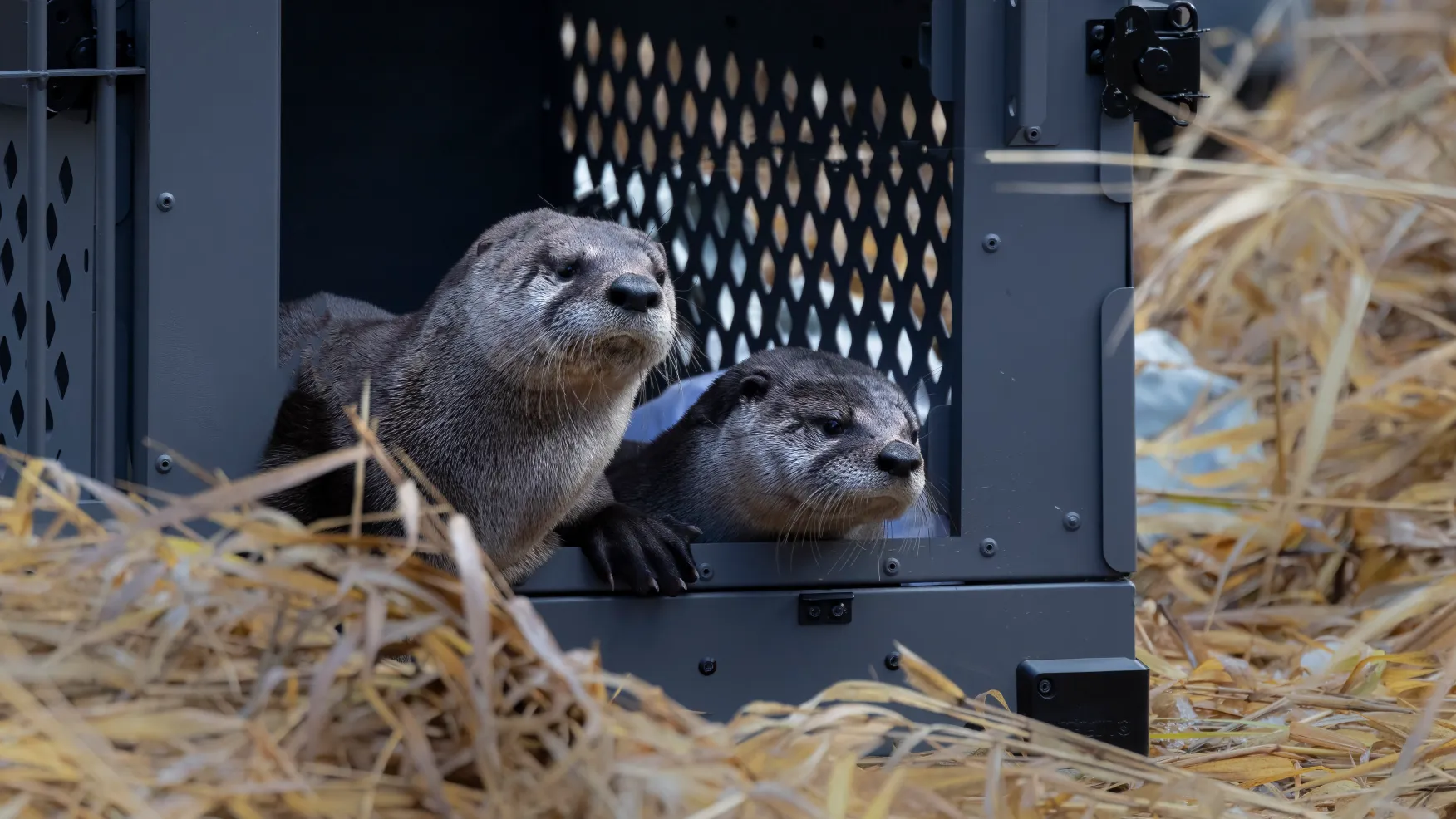
Most homeowners dread the call to wildlife control — visions of destructive squirrels, aggressive raccoons, or skunks spraying the neighbourhood come to mind. But one British Columbia family experienced something far rarer and infinitely more charming: a family of river otters nesting beneath their backyard shed.
The discovery happened in Richmond's Steveston neighbourhood, an area near the wharf where otters occasionally venture in search of fresh fish scraps from local fishing boats. What started as strange nocturnal activity quickly escalated into a full-scale wildlife rescue operation.
An Unusual Call
Alex Ritz, owner of Skedaddle Humane Wildlife Control, says this call ranks as one of the most unusual in his career. "Otters are a bit of a rarity for us," Ritz told CBC's On The Coast. "It's a one-of-a-kind call so far for me."
The homeowners first noticed something amiss when they spotted an otter moving around their property at night, repeatedly disappearing behind the shed while carrying nesting material. Wildlife experts investigating the property heard rustling sounds when they made noise near the structure, confirming their suspicions: a mother otter and her young had taken up residence.
A Clever Mother's Hiding Spot
When Ritz arrived to assess the situation, he made a fortunate discovery — the pups were home alone. The mother had temporarily left to forage, which meant the team could safely access the young otters without having to frighten away a protective parent.
"She had decided to kind of push them in all the way to the other side of the shed from where the hole was. She was being a little tricky with it," Ritz explained.
The mother otter's strategy proved effective: by tucking her babies far from the entry point, she created a buffer zone that made the rescue operation considerably safer for both the animals and the team.
A Safe Relocation
The trio of otter pups were successfully relocated to a more suitable habitat, far from residential areas. The incident serves as a reminder of how human spaces increasingly intersect with wildlife corridors, and how expert, humane intervention can resolve conflicts without harming the animals involved.
While unwanted visitors in and around homes remain a common nuisance across Canada, this particular case offers a heartwarming twist on an otherwise frustrating problem — and proof that sometimes, nature's most delightful surprises come from the most unexpected places.
This story is based on reporting from CBC News. Read the original article at CBC News.