


Global oil prices surged more than 12 per cent on Thursday after U.S. President Donald Trump pledged to continue military strikes against Iran over the coming weeks, rattling energy markets and sending crude benchmarks to levels not seen in years.
U.S. crude climbed above $112 per barrel — a gain of roughly 12 per cent — while Brent crude, the international benchmark, rose approximately eight per cent to top $109 per barrel. The dramatic price increases followed Trump's Wednesday night address, in which he said the war would end "shortly" but simultaneously promised "extremely hard" additional strikes on Iran over the next two to three weeks.
No Ceasefire Plan, No Strait of Hormuz Strategy
Analysts and markets were rattled by what was missing from the president's address as much as by what was said. Trump offered no structured path toward a ceasefire and no concrete plan for reopening the Strait of Hormuz — the narrow waterway through which more than 20 per cent of the world's oil supply typically flows. When pressed on the strait, the president offered only that it would "open up naturally."
"The markets wanted something different," wrote UBS Global Wealth Management chief investment officer Paul Donovan in a note to clients Thursday. "U.S. escalation — however short-lived — risks being met with an Iranian response, threatening more infrastructure damage in the Gulf."
Trump also made clear that military operations would continue until U.S. objectives were "fully achieved," offering no timeline for a drawdown.
Pump Prices Climbing Across North America
The consequences for everyday consumers are already being felt. In the United States, the national average price per gallon of unleaded gasoline hit $4.08 on Thursday, up sharply from $2.98 before the conflict escalated.
GasBuddy analyst Patrick De Haan warned on social media Thursday that motorists could start seeing oil's surge reflected at the pumps as early as midday. Canadian consumers are watching closely, as crude price spikes historically translate into higher fuel costs at Canadian stations within days.
Albertans, whose province sits at the heart of Canada's energy industry, face a complicated dynamic: higher crude prices can boost provincial oil revenues and energy sector profits, but also drive up the cost of living for families already managing tight household budgets.
Brief Market Optimism on Hormuz Comments
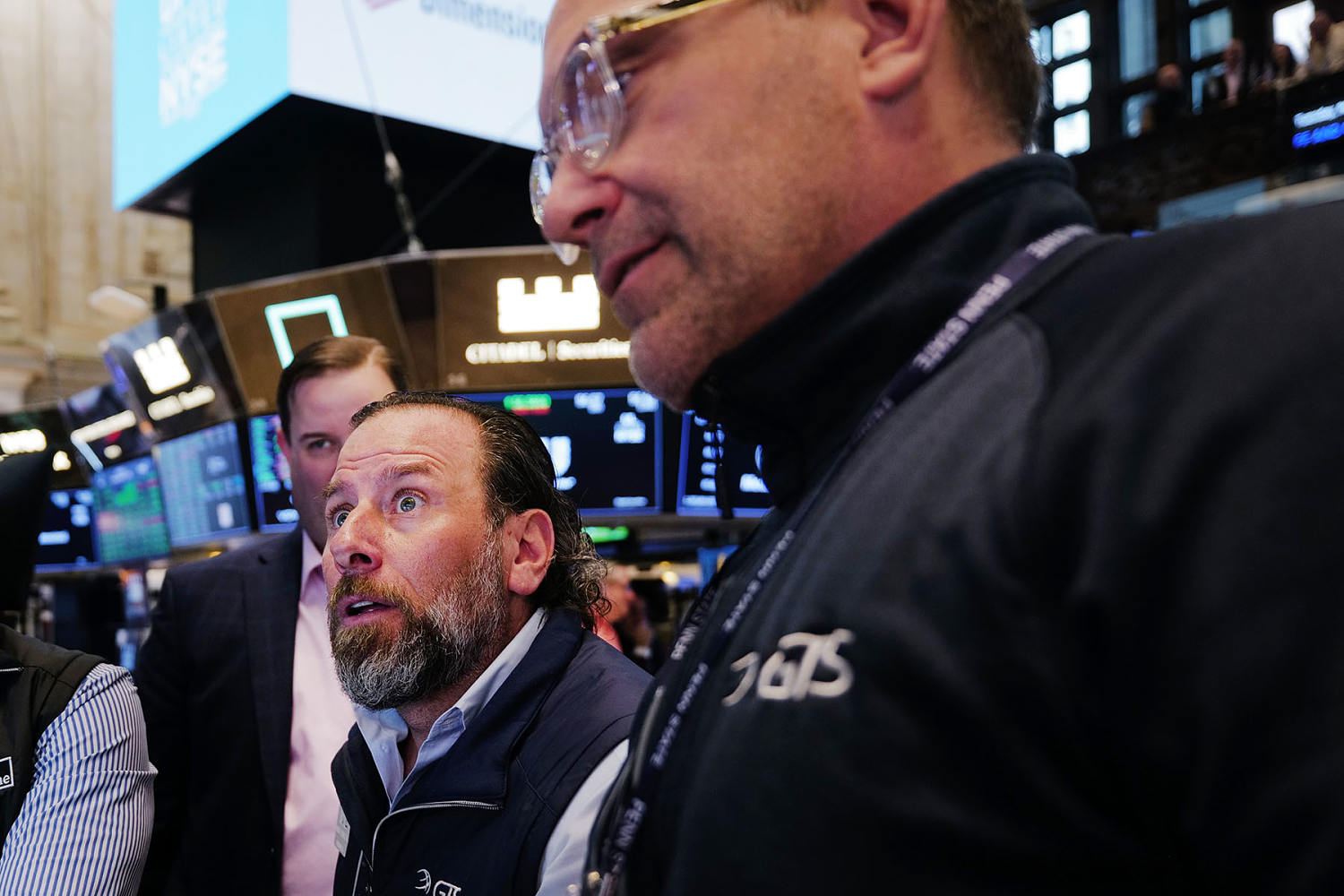
North American stock markets endured a turbulent session Thursday. Major U.S. indexes dropped sharply at the open before recovering much of their losses after Iran's deputy foreign minister indicated the country intends to outline a "new navigation regime" in the Strait of Hormuz once the war ends — comments interpreted by some investors as a signal that the waterway would eventually reopen under negotiated terms.
By mid-afternoon, the S&P 500 was down just 0.3 per cent, the Nasdaq Composite had trimmed losses to 0.4 per cent, and the Dow Jones Industrial Average was off approximately 200 points. The Russell 2000 index, which tracks smaller-cap companies, edged slightly higher.
Oil markets, however, showed little reaction to Iran's Hormuz comments, remaining elevated throughout the session.
Allies Scramble Without U.S. at the Table
On Thursday, British Foreign Secretary Yvette Cooper convened a video call with representatives from 35 nations — including several Gulf states — to discuss strategies for reopening the Strait of Hormuz. Notably, the United States did not participate in the meeting, according to Reuters.
Cooper indicated on the call that hostilities would need to ease before the assembled nations could deploy what she described as "our collective defensive military capabilities" to protect shipping lanes, according to reports from Sky News.
The absence of the U.S. from that multilateral discussion raised further questions about Washington's diplomatic strategy as the conflict continues to disrupt global energy flows.
Source: NBC News. This article is based on reporting originally published by NBC News. Additional context provided by WestNet News Staff.