


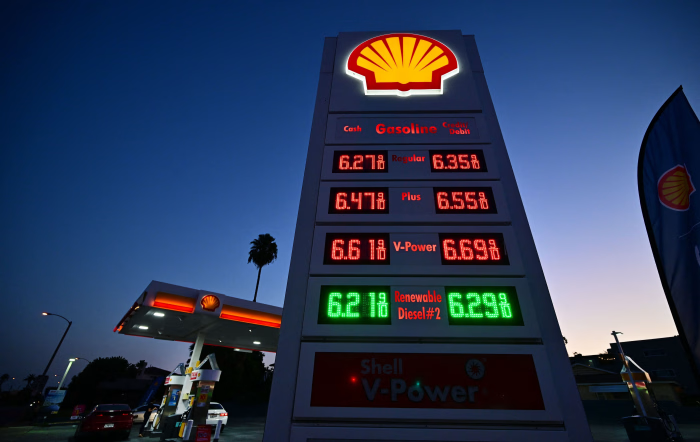
Mounting tensions in the Middle East are sending shockwaves through North American energy markets, with gasoline prices climbing steadily as geopolitical uncertainty grips global oil supplies. The prolonged conflict is creating a perfect storm for consumers already grappling with elevated grocery costs and household expenses.
Political analysts are closely monitoring how the situation is reshaping public opinion. Voters across the continent are increasingly concerned about the intersection of military escalation abroad and economic pressures at home, with polling data suggesting widespread anxiety about fuel costs and inflation.
The correlation between international conflict and pump prices is stark. Every hint of disruption in Middle Eastern oil production sends traders into a frenzy, and consumers pay the price at the pump. For Canadian families already stretching budgets in a challenging economic climate, the timing could hardly be worse.
The Ripple Effect on Household Budgets
Energy price spikes don't exist in a vacuum. When fuel costs rise, transportation expenses increase across supply chains, ultimately driving up prices on groceries, goods, and services. Canadians from coast to coast are feeling the cumulative squeeze.
"People are worried about their wallets," says one political observer tracking sentiment shifts. "When gas prices spike and grocery bills climb simultaneously, voters hold leadership accountable—regardless of how much control any single government actually has over global oil markets."
What's at Stake
The longer the Middle East instability persists, the greater the economic ripple effects will be felt across North America. Energy markets thrive on predictability, and right now, there is precious little of that.
Political support ebbs and flows with household financial security. As pump prices climb higher and monthly household costs swell, public confidence tends to decline. The challenge for policymakers is communicating that while governments influence some economic levers, global energy markets remain largely beyond any single nation's control.
This article was originally reported by CBS News.