


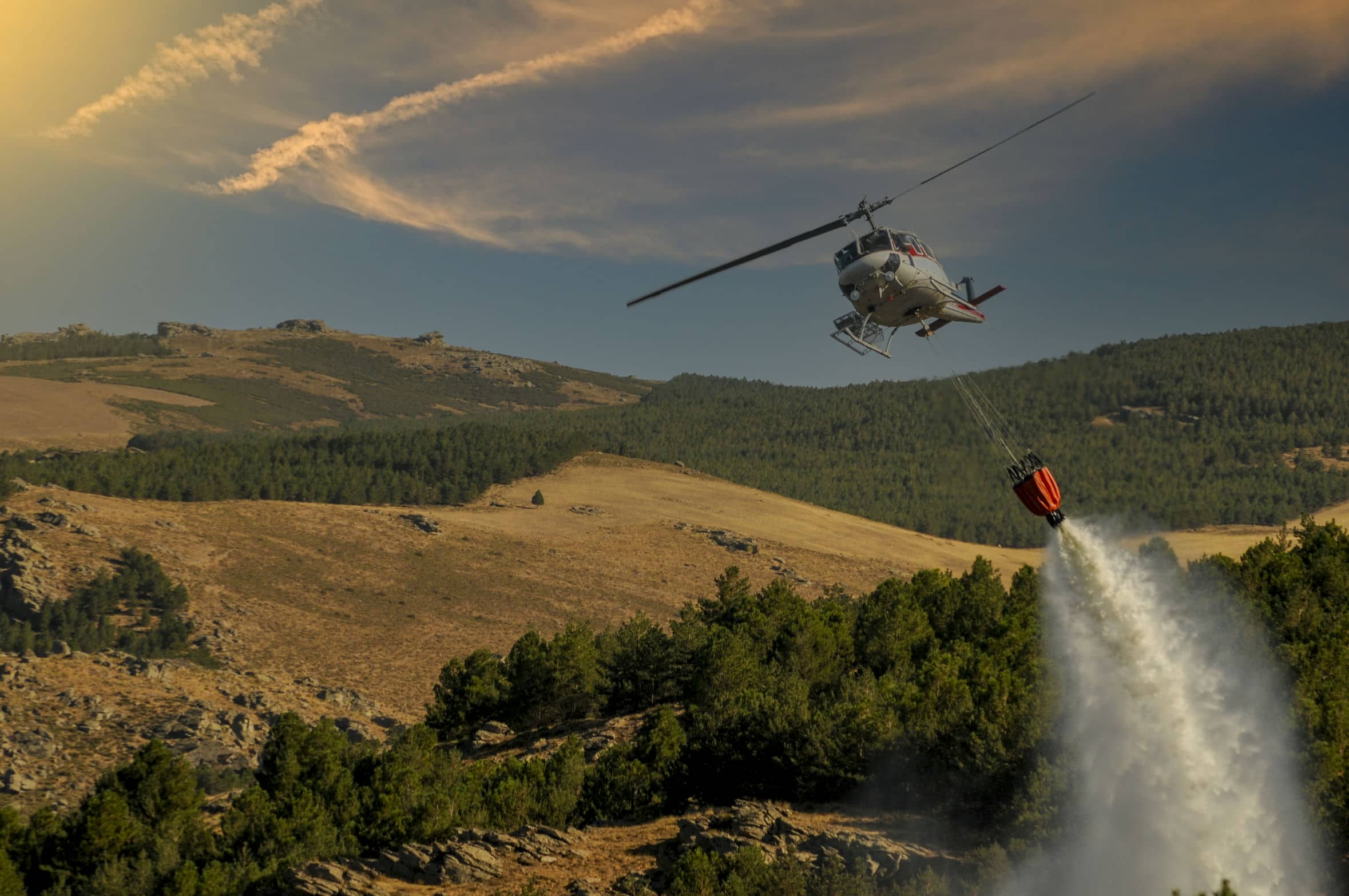
Wildfire suppression crews battling blazes across the continent are facing a costly new challenge: fuel prices that keep climbing higher, making every tanker drop and helicopter flight more expensive than ever before.
Aircraft equipped to fight wildfires—from large air tankers to helicopters—consume fuel at alarming rates during active fire seasons. A single flight can burn hundreds of gallons of aviation fuel, costs that ripple through already stretched agency budgets and ultimately limit how quickly and aggressively firefighters can respond to new outbreaks.
The problem is particularly acute in Western regions where wildfire seasons have grown longer and more intense over recent years. Agencies managing fire response must now weigh operational costs against public safety needs, a calculation that becomes increasingly difficult when fuel prices surge.
The Ripple Effect on Emergency Response
Higher fuel costs don't just affect the headline budget figures. They translate directly into operational decisions. When every flight hour becomes significantly more expensive, agencies may delay deploying aircraft or rely more heavily on ground crews—decisions that could prove costly if fire behaviour escalates.
For residents in wildfire-prone areas, these economic pressures mean slower initial response times and potentially larger fires before aerial suppression becomes economically viable. It's a grim calculus where budget constraints and public safety intersect.
Looking Ahead
As North America prepares for another wildfire season, the challenge of rising operational costs will likely dominate budget discussions at fire management agencies. Without additional funding mechanisms or sustained fuel price relief, wildfire response capabilities could face meaningful constraints in the years ahead.
This article is based on reporting by CBS News correspondent Carter Evans.