


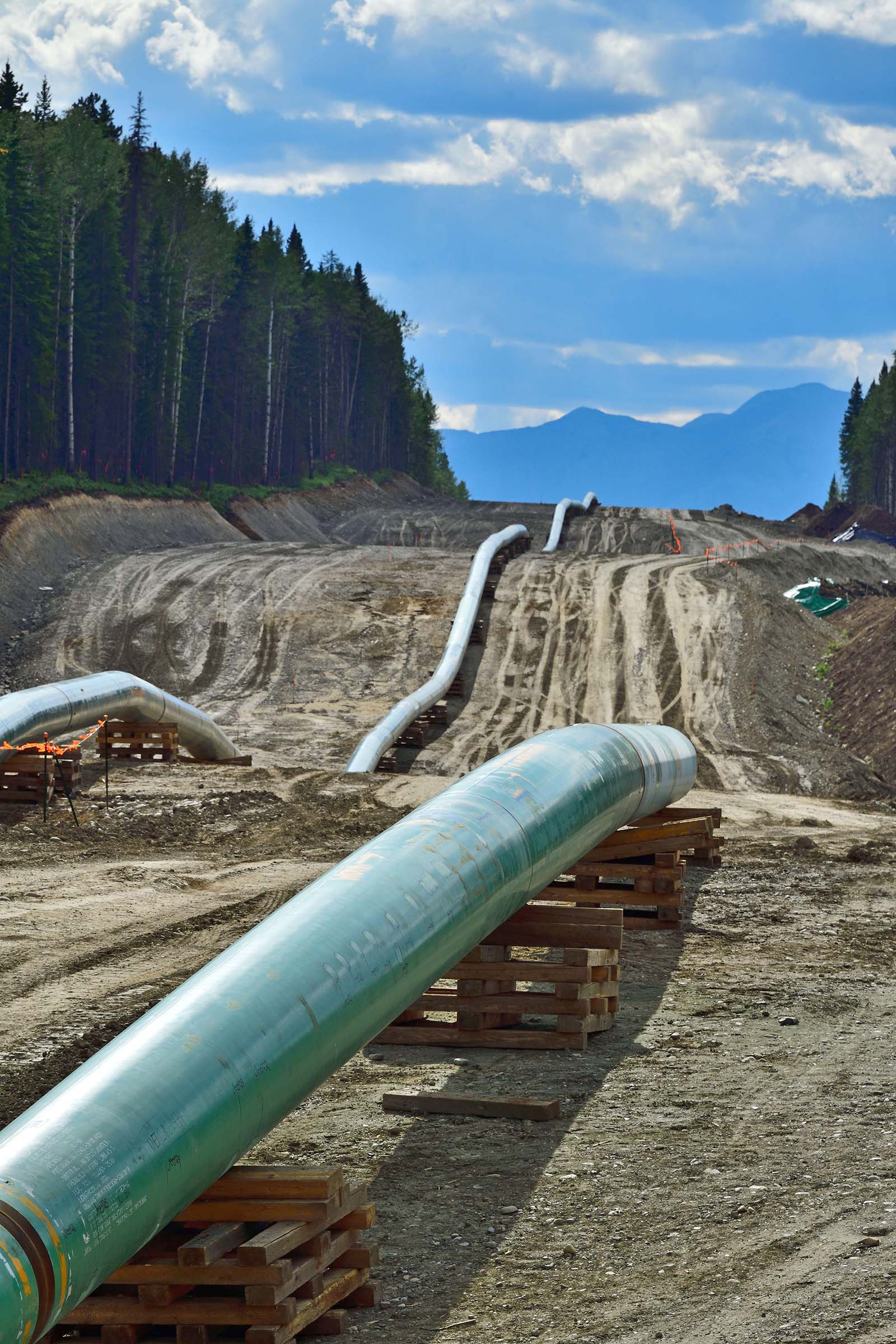
Canada's federal government is exploring a pathway to finance Alberta's proposed Pacific Coast bitumen pipeline using a $10-billion Indigenous-focused loan guarantee program, according to statements made by Energy Minister Tim Hodgson to Parliament this week.
Hodgson confirmed Thursday that public money "could be used" to support Indigenous ownership stakes in the pipeline project through the federal Indigenous Loan Guarantee Corporation—a move that's generating both interest and concern across the country.
"There could be scenarios where public money could be used in a pipeline where it was supporting Indigenous ownership of the pipeline," Hodgson told the House of Commons natural resources parliamentary committee.
The proposed pipeline, which would transport bitumen to the Pacific Coast, has become a focal point in ongoing negotiations between Ottawa and the Alberta government. Both parties signed a memorandum of understanding last November outlining the project's framework, with details still being finalized—including what appears to be a disagreement over routing, with the federal government reportedly favouring a more southern corridor than Alberta Premier Danielle Smith's preferred northern route.
Under the current framework, private sector partners would handle construction and financing, with Indigenous communities securing ownership stakes. The Indigenous Loan Guarantee Corporation could then step in to "backstop" Indigenous co-ownership positions, essentially using federal guarantees to reduce the financial risk for Indigenous investors.
The Subsidy Question
The arrangement sits in a legally grey zone. While it likely wouldn't technically violate federal guidelines aimed at phasing out fossil fuel subsidies—rules that specifically allow federal support for Indigenous economic participation in energy projects—environmental advocates argue it undermines the spirit of those commitments.
Julia Levin, national climate associate director at Environmental Defence, pushed back hard against the proposal.
"Canadians have been clear they don't want their tax dollars going to one of the wealthiest sectors on the planet. Prime Minister Mark Carney's government continues to undermine his own rules by funding projects that put our economy and current and future safety at risk."
Bloomberg reported this week that a deal on industrial carbon pricing between the federal and Alberta governments is expected within two weeks, suggesting other contentious files are moving toward resolution.
The pipeline project reflects broader tensions within Canadian energy policy: the federal government's climate commitments versus resource development ambitions, and questions about whether Indigenous economic self-determination should include support for fossil fuel infrastructure.
For Alberta residents tracking energy development and infrastructure investment, the outcome of these negotiations could shape the province's economic direction for years to come.
This article is based on reporting from CBC Edmonton and parliamentary testimony from Canada's Energy Minister. For the full original report, visit CBC News.