


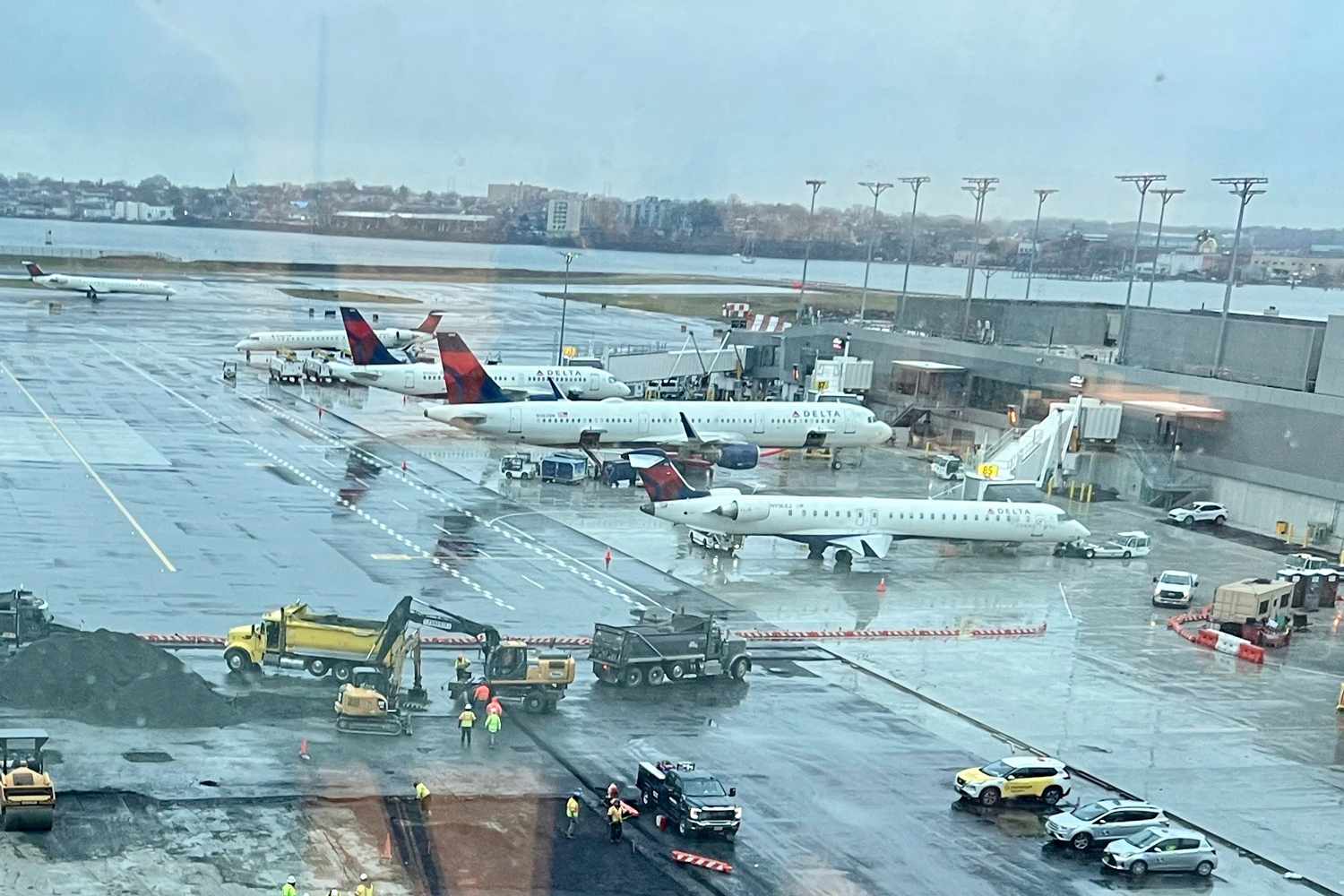
A damning safety report into the LaGuardia Airport collision that killed two Canadian pilots has exposed a critical vulnerability in airport ground operations: emergency vehicles operating without transponders, leaving air traffic controllers unable to track their movements.
The National Transportation Safety Board's preliminary investigation into the Air Canada plane crash reveals a cascade of system failures that converged in tragedy. Among the most alarming findings: the fire truck that struck the aircraft was not equipped with a transponder — a device that would have allowed surveillance systems to automatically alert controllers to its presence and location on the runway.
A Perfect Storm of Failures
Without transponder technology, the airport's sophisticated monitoring systems couldn't generate an alert warning controllers that ground vehicles were operating in restricted airspace. The surveillance network, designed to prevent exactly this type of catastrophe, was rendered ineffective by the absence of basic tracking equipment.
But equipment failures tell only part of the story. The investigation also uncovered communication breakdowns that compounded the danger. Radio transmissions became garbled roughly two minutes before the collision — the critical window when pilots and ground crews should have been in clear communication.
The fire truck driver reported hearing urgent radio commands — "stop, stop, stop" — but couldn't determine who was transmitting or whether the warning was directed at him. By the time he realized the transmission was meant for his vehicle, he was already crossing onto the aircraft's runway, with his speed continuing to accelerate toward impact.
Questions About Airport Safety Standards
The findings have reignited concerns about whether North American airports are adequately equipped and staffed to prevent ground-vehicle-to-aircraft collisions. The use of non-transponder-equipped vehicles in active runway environments raises questions about safety protocols that have long been taken for granted.
For Alberta residents and Canadian aviation families, the report serves as a stark reminder of the critical importance of ground infrastructure at major international hubs. The two Canadian pilots who lost their lives in the collision represent a human cost to systemic oversight.
The NTSB investigation is ongoing, with officials expected to release additional findings in coming weeks. Aviation safety experts across Canada are already calling for immediate equipment upgrades at major airports to ensure that all ground vehicles operating near runways are equipped with modern tracking technology.
This report is based on findings from The Canadian Press, first published April 23, 2026. Read the original Lethbridge Herald coverage for additional details on the investigation.