


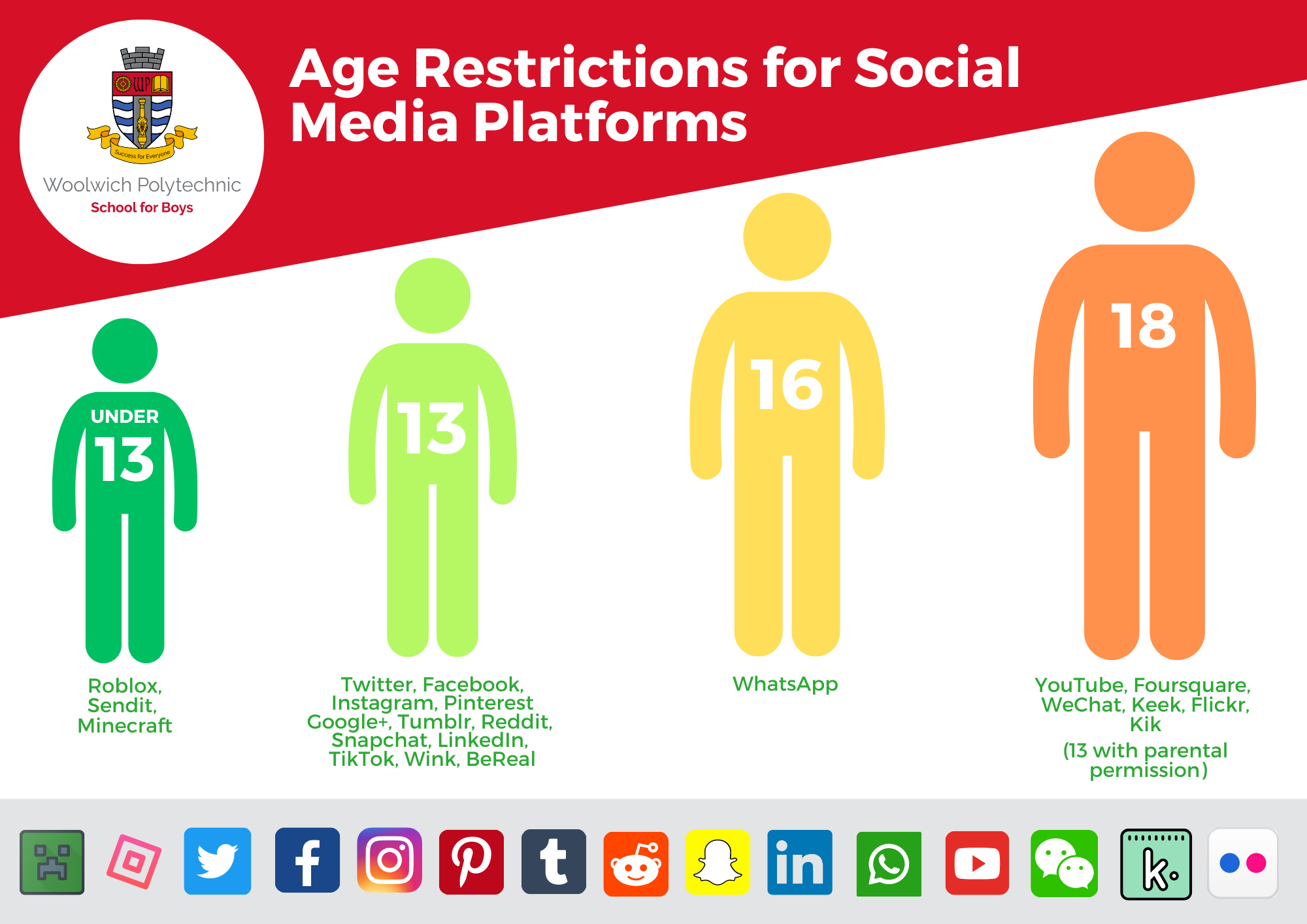
Canada's federal government is actively exploring whether to impose age restrictions on social media platforms and artificial intelligence chatbots for young Canadians, with Heritage Minister Marc Miller signalling serious consideration of the proposal this week.
The push comes after Liberal Party members passed two non-binding resolutions at their national policy convention in Montreal over the weekend, calling for a minimum age of 16 to hold social media accounts and access AI tools like ChatGPT.
"We have some work to do, frankly, if we want to get it right," Miller told reporters following a caucus meeting Wednesday. "Online harms don't end as soon as you turn 15 or 16 or 17."
The proposals mirror Australia's approach, which implemented a minimum age requirement for popular social media platforms late last year — making it the first country to take such sweeping action.
Age Verification and Implementation Challenges
While the government appears receptive to the concept, significant practical hurdles remain. Artificial Intelligence Minister Evan Solomon acknowledged ongoing questions about execution.
"How to do it? What's the scope and scale?" Solomon said, pointing to the complexity of implementing age verification systems across platforms.
The government has assembled a panel of researchers, child safety advocates, and academic experts to advise on how to approach online safety regulation and manage the rapidly evolving technology sector. The panel has been specifically tasked with examining artificial intelligence, chatbots, and emerging online trends.
A Broader Online Safety Strategy
Miller emphasized that age restrictions alone won't solve the problem, though they could serve as "an important layer" in the government's broader online harms legislation.
"The politics perhaps of it are convenient, but the policy has to be right," he stated, stressing that legislation should focus on preventing online harms rather than pursuing companies through litigation or criminal liability after harm occurs.
The heightened focus on AI safety follows the Tumbler Ridge, British Columbia mass shooting, which sparked scrutiny after it was revealed that OpenAI declined to flag concerning messages the shooter had exchanged with ChatGPT months before the incident.
This article is based on reporting from CBC Health and the Canadian Broadcasting Corporation.