


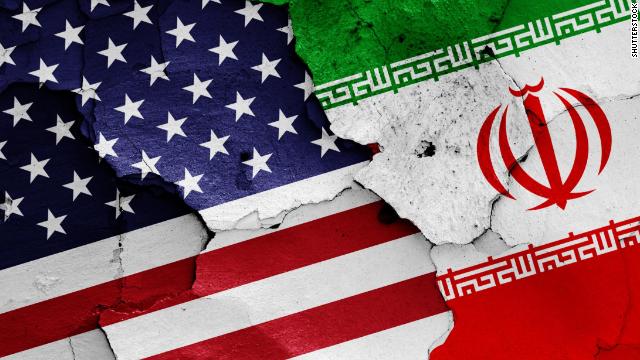
Diplomatic efforts to resolve the escalating US-Iran conflict have hit a critical wall, with both sides accusing each other of bad faith negotiation as a dangerous energy crisis threatens the global economy.
US President Donald Trump abruptly cancelled a planned diplomatic mission to Pakistan on Saturday, instructing top envoys Jared Kushner and Steve Witkoff to abandon their trip to the mediation talks. Trump later told reporters that while Iran "offered a lot, but not enough," suggesting the gulf between negotiating positions remains unbridgeable.
The decision came mere hours before Iranian Foreign Minister Abbas Araghchi was set to meet with the envoys in Islamabad. Araghchi departed Pakistan ahead of schedule, signalling Iran's frustration with the stalled process.
"Too much time wasted on travelling," Trump wrote on social media. "Nobody knows who is in charge, including them. Also, we have all the cards, they have none! If they want to talk, all they have to do is call!!!"
Tehran fired back with its own demands. Iranian President Masoud Pezeshkian declared his nation will not participate in "imposed negotiations under threats or blockade," hardening Iran's stance and widening the diplomatic chasm.
Energy Crisis Reaches Critical Point
The conflict, which has persisted for nearly two months despite a fragile ceasefire since early April, has created a catastrophic disruption to global energy markets. Both the US and Iran maintain competing blockades on the Strait of Hormuz, the world's most critical oil shipping chokepoint.
The blockade has effectively strangled approximately one-fifth of the planet's daily oil supply, prompting the International Energy Agency to label the disruption "the biggest supply shock in history." The crisis is already forcing governments and central banks to slash global economic growth forecasts, raising the spectre of stagflation in developed economies.
Canadian energy markets and consumers remain particularly vulnerable to further escalation. Alberta's oil industry, already navigating volatile global prices, faces potential additional pressure if the situation deteriorates further. Energy analysts warn that a complete breakdown in negotiations could trigger another spike in fuel costs across Canada.
Araghchi signalled Iran's ongoing wariness of US intentions in a social media statement: "We have yet to see if the U.S. is truly serious about diplomacy."
With both sides digging in and the ceasefire holding by a thread, the international community watches nervously as the window for peaceful resolution narrows. The stakes extend far beyond the Middle East—they affect everything from Canadian grocery prices to retirement savings and job security across Alberta and beyond.
This story is based on reporting from Financial Post. Read the original article here.