


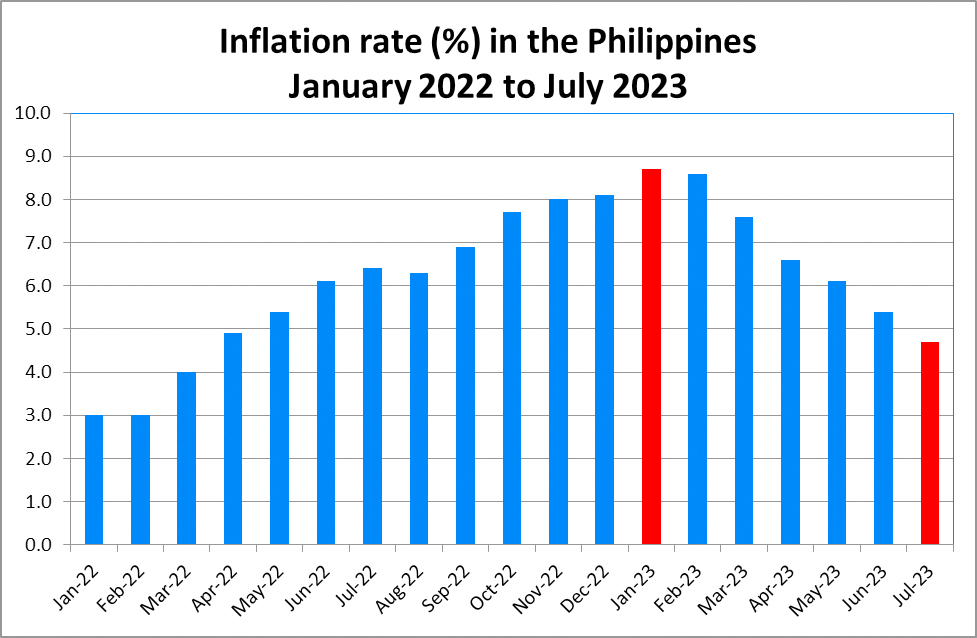
The Philippines is taking aggressive action to combat rising inflation, with its central bank hiking interest rates for the first time since mid-2022 as geopolitical tensions in the Middle East threaten to destabilize prices across the region.
The Bangko Sentral ng Pilipinas (BSP) increased its benchmark reverse repurchase rate by 0.25 percentage points to 4.5%, marking a significant shift after more than two years of holding rates steady. The decision came as economists warned that the ongoing conflict is sending global oil and fertilizer prices soaring, directly impacting the island nation's economy.
"The inflation outlook has deteriorated amid the ongoing conflict in the Middle East," the BSP stated in Thursday's announcement. "Timely and preemptive policy action is needed to safeguard price stability as higher global oil and fertilizer prices feed into domestic fuel and food costs."
For Canadian investors and businesses watching global markets, the Philippines' move underscores how quickly external shocks can force central banks to reverse course. The country imports nearly all of its oil from Middle Eastern suppliers, making it particularly vulnerable to energy price spikes.
What This Means for the Philippine Economy
The rate hike officially ends an extended easing cycle that began in August 2024, signalling a dramatic turnaround in monetary policy just months into the year. Despite the tightening action, Philippine officials warned that average headline inflation is expected to breach the central bank's 2%-4% target range in both 2026 and 2027—a sobering forecast that suggests current measures may only be the beginning of a longer series of increases.
The peso weakened immediately following the announcement, dropping 0.5% against the U.S. dollar to trade at 60.40, while the main stock index held relatively steady. The currency weakness reflects investor concerns about the path ahead for Philippine monetary policy and broader economic headwinds.
"This is a turning point for the BSP," financial analysts noted. "The central bank is acknowledging that the benign inflation environment of recent years has ended, and they're moving to get ahead of price pressures before they spiral further out of control."
"The inflation outlook has deteriorated amid the ongoing conflict in the Middle East. Timely and preemptive policy action is needed to safeguard price stability."
The decision reflects a broader global pattern: central banks worldwide are reassessing inflation forecasts as Middle East tensions create uncertainty in commodity markets. For the Philippines, where food and fuel represent significant portions of household budgets, the ripple effects could be substantial.
Economists had been split on whether the rate increase would materialize, with 15 of 30 surveyed by Bloomberg predicting the hike and the remaining 15 expecting the BSP to hold rates steady. The majority view ultimately prevailed, but the close call indicates genuine uncertainty about the severity of the inflation challenge ahead.
As geopolitical tensions continue to dominate global markets, the Philippines' experience offers a cautionary tale about how quickly external shocks can force developing economies into difficult policy positions.
This article is based on reporting from Bloomberg and the Financial Post. Read the original story at Financial Post.