


A groundbreaking international conference aimed at charting a path away from fossil fuels is set to begin Friday in Colombia's Caribbean city of Santa Marta, bringing together more than 50 nations in what represents a significant shift in global climate diplomacy.
The Transition Away From Fossil Fuels (TAFF) summit marks the first dedicated international effort to tackle the world's most pressing energy challenge. Attendees range from major oil producers like Nigeria to energy-dependent nations such as Germany, along with representation from the European Union.
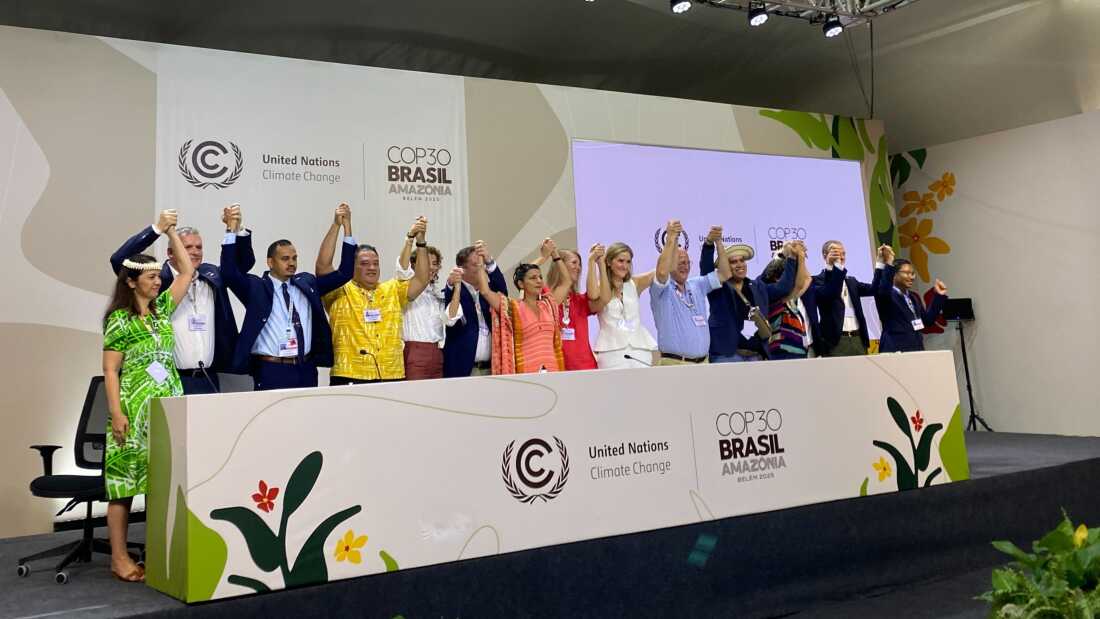
The gathering reflects growing frustration with the glacial pace of traditional United Nations climate negotiations. Despite countries agreeing at COP28 in Dubai in 2023 to "transition away from fossil fuels," concrete implementation plans have stalled. Last year's COP30 meeting in Brazil saw approximately 80 nations support a proposed roadmap to phase out oil, gas, and coal — only to have the measure stripped from the final agreement due to insufficient consensus.
"Countries are going into Santa Marta with the energy crisis at the top of most of their minds. They have a visceral reminder of just how volatile, unpredictable, and unstable it is to rely on fossil fuels," said Natalie Jones, senior policy advisor at the International Institute for Sustainable Development.
The Santa Marta summit represents a "coalition of the willing" concept championed by Colombia and the Netherlands — an approach designed to sidestep the gridlock that has paralyzed broader international climate talks. Recent geopolitical tensions, particularly the Iran conflict's disruption of energy markets, have added urgency to discussions about the economic and security risks of fossil fuel dependency.
The irony is not lost on observers: the conference site sits directly across from the Pozos Colorados terminal, where oil tankers regularly unload cargo at Colombia's largest fuel-storage facility — a stark visual reminder of the tension between climate ambitions and the world's continued reliance on carbon-based energy.
Energy market volatility is expected to work in the summit's favour, with delegates acutely aware of how geopolitical shocks can destabilize global fuel supplies and economies alike.
This article is based on reporting from the Financial Post. Read the original story.