


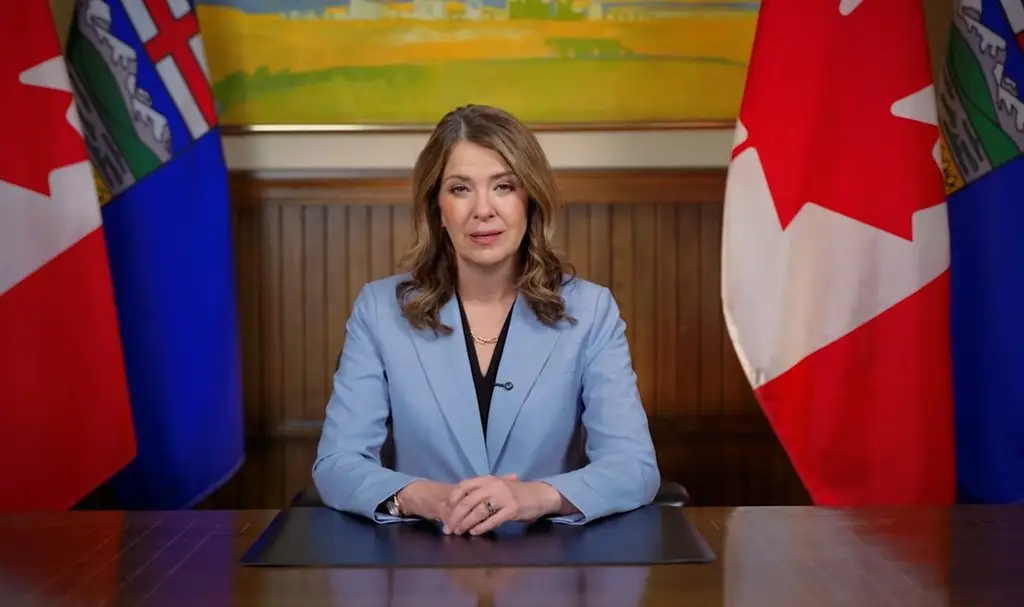
Alberta Premier Danielle Smith is pushing back hard against a court decision that derailed a citizen-led petition on provincial separation, promising to take the fight all the way to Canada's highest courts if necessary.
In a Thursday night address, Smith said she remains personally committed to Alberta staying in Canada—but refuses to accept what she calls a "legal mistake" that silences the democratic will of hundreds of thousands of Albertans.
"Alberta's future will be decided by Albertans, not the courts," Smith stated firmly, signalling the province will appeal the recent ruling to Alberta's Court of Appeal and potentially the Supreme Court of Canada.
The Court Decision That Started It All
A judge last week ruled that the Stay Free Alberta separation petition—which collected more than 300,000 signatures—was unconstitutional. The court found insufficient consultation had occurred with First Nations bands regarding potential impacts on their treaty rights.
Smith disputes this interpretation, arguing the consultation duty was never intended to block citizens from exercising their democratic rights through a petition and referendum process.
Albertans Want Their Say
The numbers tell a striking story: approximately 700,000 Albertans have now signed petitions on both sides of the separation debate. The Forever Canada petition seeks a referendum on staying in Confederation, while Stay Free Alberta wants a vote on independence.
"I will not have a legal mistake by a single judge silence the voices of hundreds of thousands of Albertans. That's not the Alberta way," the premier declared.
A Long Road Ahead
Smith cautioned that the appeals process will likely take months or years to wind through the courts. Until a higher court overturns or clarifies the ruling, it remains binding law in Alberta—meaning Elections Alberta cannot currently hold a binding provincial referendum on separation.
Despite her personal support for Confederation, Smith emphasized that the government's role is to defend democratic processes and let voters decide Alberta's path forward.
The standoff underscores growing tensions between Alberta's populist movements and judicial oversight, with Smith positioning herself as a defender of grassroots democratic participation against what she frames as judicial overreach.
This article is based on reporting from Global Calgary.