


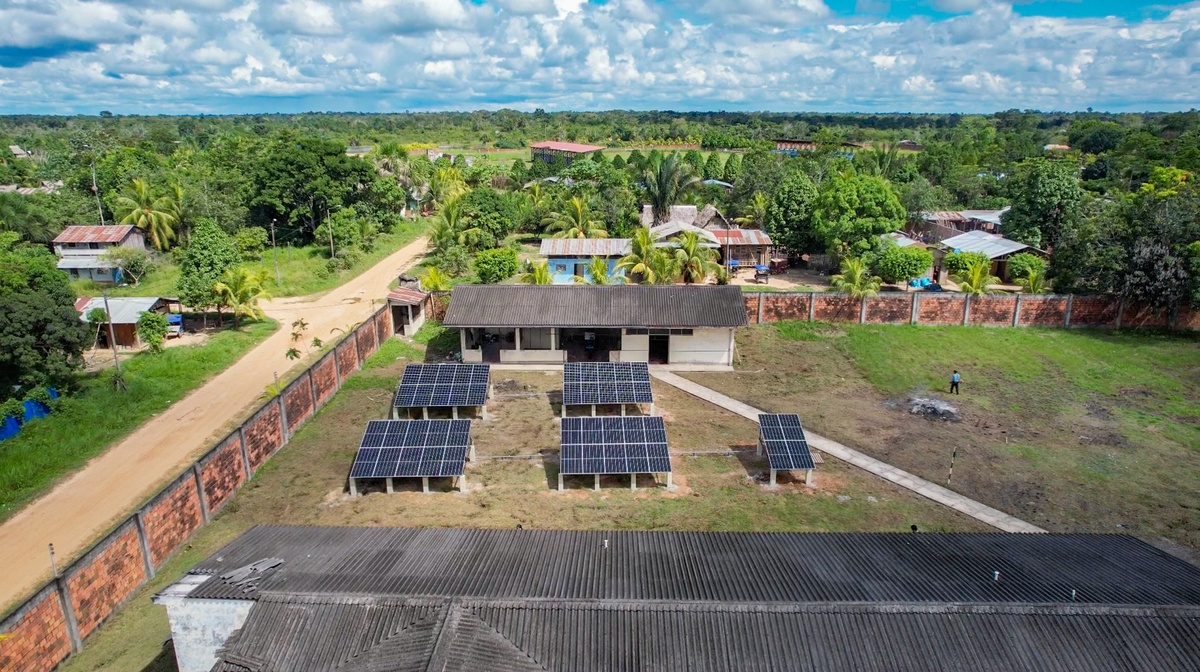
Deep in Brazil's Amazon rainforest, a quiet energy revolution is underway. Remote indigenous communities that have relied on expensive, polluting diesel fuel for decades are now harnessing the sun's power through solar panels and battery systems—transforming daily life in ways both practical and profound.
The shift matters far beyond the jungle. Brazil's government currently spends roughly $2.4 billion annually subsidizing diesel-powered thermal plants and thousands of scattered generators that serve isolated communities unreachable by traditional power grids. These diesel operations emit pollution and require constant boat deliveries of fuel to areas with no roads.
A Lifeline for the Unreached
For communities like Três Unidos—an indigenous settlement of about 40 families nestled at the mouth of the Cuieiras River, 72 kilometres from Manaus—the old way meant darkness after sundown and heavy dependence on inefficient, noisy generators.
“We used to depend on diesel and lamps,” explained Waldemir da Silva, a community leader. “Today we have electricity 24 hours a day, without noise or smoke.”
That round-the-clock power matters enormously in remote settlements. Reliable electricity enables refrigeration for food preservation, proper lighting for children to study, and the ability to operate small tourism operations that can generate income.
A Win for Planet and Pocket
The transition addresses a critical paradox: Brazil boasts the cleanest electrical grid among G20 nations, powered largely by hydroelectric dams—many originating in the Amazon itself. Yet the rainforest communities that safeguard this vital ecosystem have been left in the dark, literally and figuratively, burning diesel while the world benefits from Amazon-generated hydropower.
Solar and battery technology are closing that gap. As costs for these systems continue to fall globally, more Amazonian settlements are going off-diesel and onto sunshine. The environmental benefit is immediate: less fuel burned, less pollution, reduced subsidy burden on government budgets.
For indigenous communities, the benefit is sovereignty. Self-powered villages are no longer hostage to fuel supply chains or government energy policy. They control their own power source—the sun rises every day above the canopy.
Scaling Up Across the Region
What started as pilot projects is accelerating. Clean energy installations are spreading across the rainforest, with private companies, NGOs, and government initiatives all recognizing the economics and ethics of the transition. Communities report improved health outcomes from reduced air pollution, better educational opportunities with reliable lighting, and stronger local economies powered by tourism and small businesses.
The Amazon has long been framed as humanity's lungs. These communities are proving they can breathe easier—and help the planet do the same—when given access to the clean energy resources the modern world already understands.
This article is based on reporting originally published by Financial Post. Read the original story at Financial Post.