


Global oil markets are sitting on borrowed time. While strategic petroleum reserves have cushioned the blow from ongoing Middle East supply disruptions, traders and energy analysts are now warning that a sharp reversal is imminent — one that could reshape energy costs for Canadian consumers and businesses.
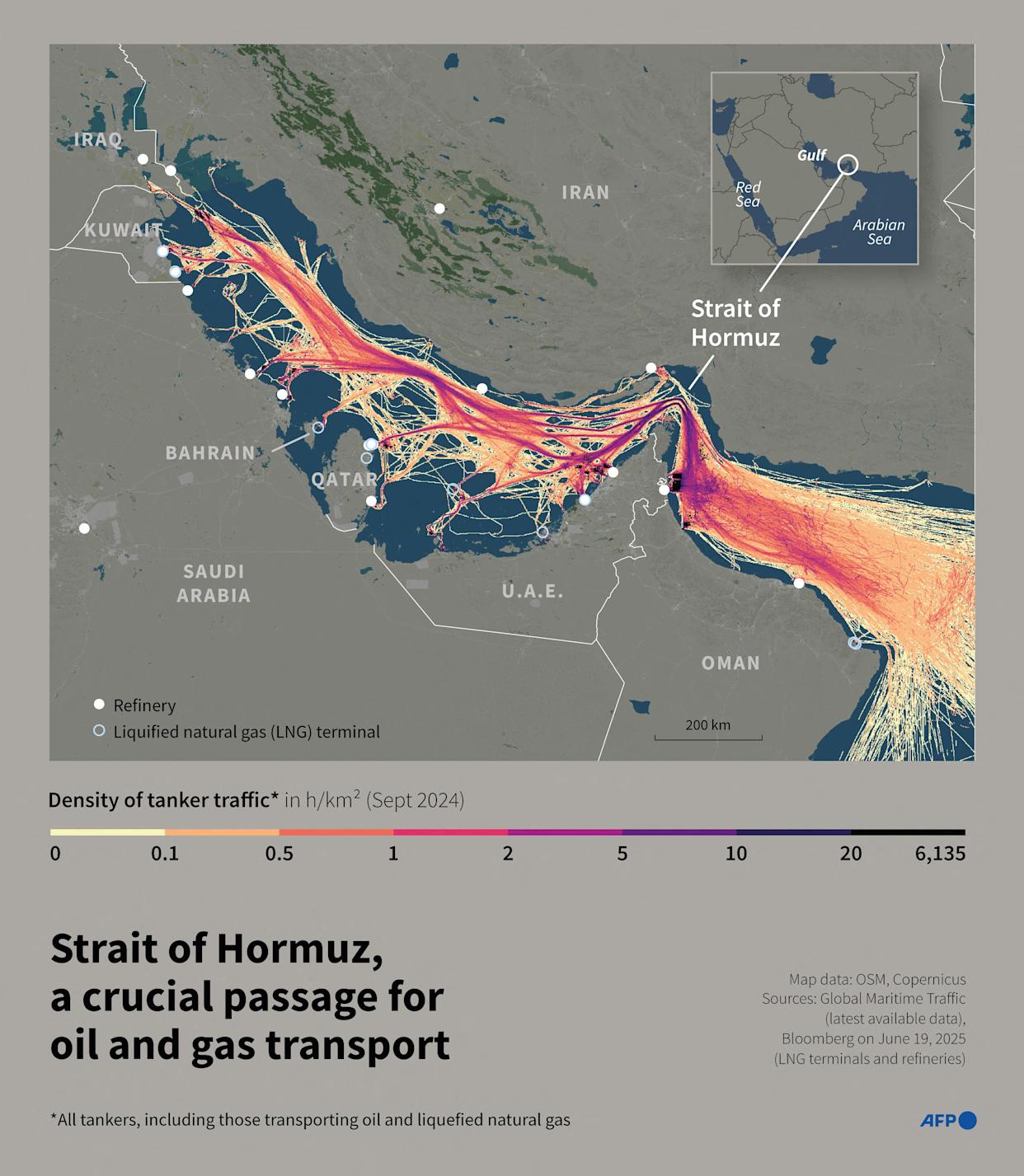
The crisis centres on the Strait of Hormuz, a critical chokepoint through which roughly one-third of the world's seaborne oil passes. With supply disruptions now stretching into their ninth week and losses exceeding one billion barrels, the world's developed economies are rapidly burning through emergency inventories that once provided a safety net.
The Buffer Is Running Dry
"Demand destruction is happening in places that are not visible pricing centres," warned Saad Rahim, chief economist at trading powerhouse Trafigura Group, speaking this week at the FT Commodities Global Summit in Lausanne. "That adjustment is already happening, but if this continues, it has to get larger and larger. We're at a critical inflection point."
The numbers paint a stark picture. Supply losses already dwarf the emergency oil reserves that governments released when the crisis began in late February. With each passing week, the buffer shrinks further, and the real pain is beginning to show in unexpected places.
From Asia to Your Neighbourhood
The damage isn't yet obvious at Canadian gas pumps, but it's spreading quietly across global markets. Petrochemical plants in Asia and the Middle East have already seen production cuts. Liquefied petroleum gas shipments — a critical cooking fuel for millions in India — are tightening. These early warning signs suggest that if the disruption continues, the squeeze will eventually reach everyday consumers from Calgary to Vancouver.
Energy traders say the adjustment ahead comes in one of two ways: either prices spike high enough to naturally dampen demand, or governments intervene to force consumption cuts. Neither scenario is palatable for Canadian families and businesses already grappling with inflation and affordability pressures.
The longer the Strait of Hormuz remains compromised, the more acute the problem becomes. With at least a 10 per cent supply deficit already baked into the global market, traders are bracing for the moment when inventories can no longer mask the underlying shortage.
"The adjustment is already happening, but if this continues, it has to get larger and larger." — Saad Rahim, Trafigura Group
For Albertans and Canadians watching their energy bills, the message is clear: prepare for turbulence ahead. The world's energy security is being tested in ways not seen in decades, and the comfortable buffer that has protected consumers so far is running on fumes.
This article is based on reporting from the Financial Post. Read the original story at Financial Post.