


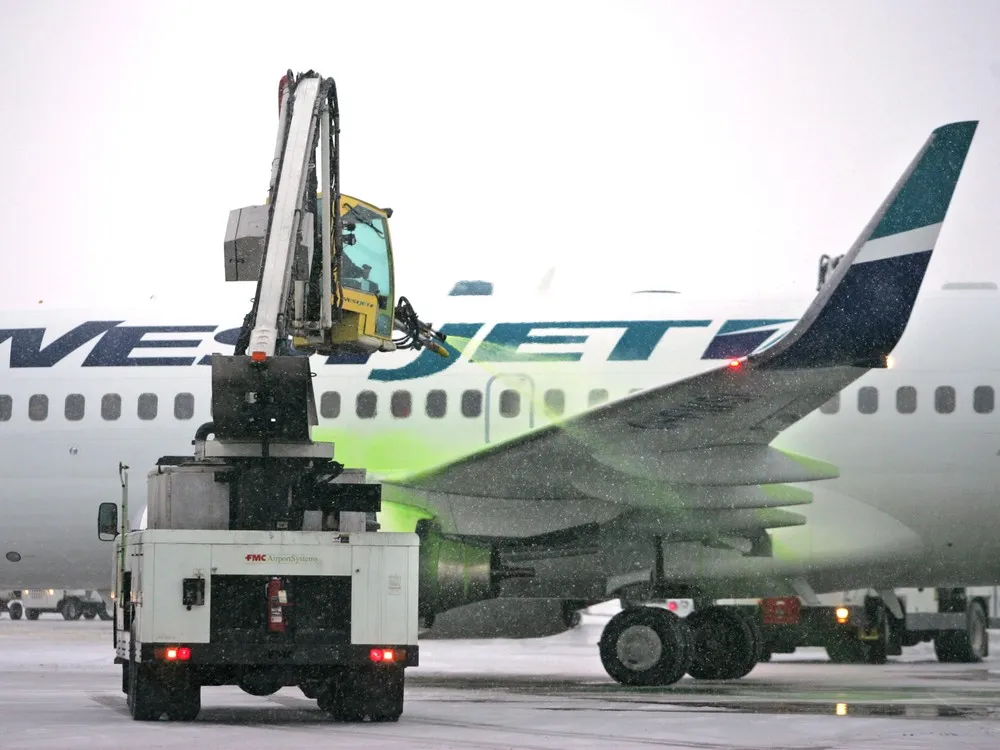
Northeast Calgary residents are bracing for an annual nuisance that turns spring thaws into a smelly headache — and it's stretching the city's fire department thin.
Every year when temperatures rise, the storage ponds around Calgary International Airport release a pungent sulphur-like odour. The culprit? Glycol, the chemical compound used to de-ice aircraft during winter operations. The smell is so distinctive and unpleasant that it frequently gets mistaken for a natural gas or propane leak, triggering a wave of emergency calls to the Calgary Fire Department.
Hundreds of Calls Draining Emergency Resources
The scale of the problem is significant. Since March, Calgary firefighters have fielded between 20 and 60 calls daily related to the airport odour — most from concerned residents convinced they're reporting a dangerous gas leak. On April 6 alone, one crew responded to 15 calls in a single shift.
"This can drain fire service resources in those areas, causing concern about our ability to provide consistent response times for other calls," Fire Chief Steve Dongworth said in a statement released Thursday.
While the glycol odour is not dangerous to public health, the sheer volume of false alarms is creating a real operational challenge for emergency responders who must investigate each complaint seriously.
What's Causing the Smell?
The de-icing process at Calgary's airport is standard practice across Canadian and North American aviation hubs. Glycol is applied to aircraft before takeoff in winter conditions to prevent ice buildup on wings and fuselages. The used glycol and rinse water collect in storm water retention ponds managed by the airport authority.
When spring arrives and temperatures climb above freezing, these ponds begin to thaw, releasing accumulated glycol and its distinctive — and admittedly unpleasant — chemical signature into the surrounding air.
Public Awareness Campaign Needed
The Calgary Fire Department is asking residents in northeast communities near the airport to consider the source before dialling 911. While residents should always report suspected gas leaks, understanding the seasonal pattern could help reduce unnecessary emergency calls during thaw periods.
"If you notice a strong sulphur-like smell near the airport area during spring, it's likely the glycol thaw, not a gas emergency," fire officials advised.
Residents with genuine concerns about gas leaks should look for additional warning signs: hissing sounds, visible damage to gas lines, or dead vegetation in concentrated areas. Those signs warrant an immediate call to Enbridge or emergency services.
The annual spring stink is a reminder of the practical challenges that come with modern air travel — and a test of how well emergency services can communicate with the public about predictable, recurring phenomena.
This article is based on reporting from the Calgary Herald.