


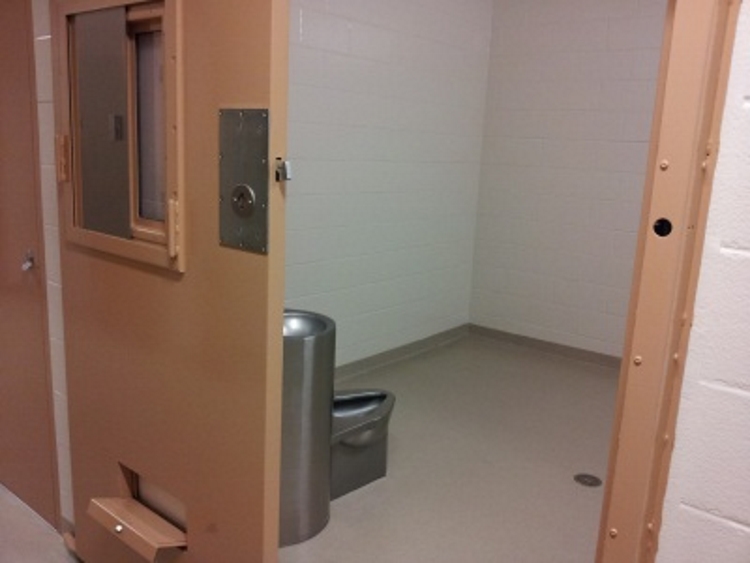
An Alberta fatality inquiry has uncovered a tragic cascade of missed warning signs that led to the death of Michael Mullock, a 50-year-old man who died in an RCMP holding cell in Airdrie in May 2019—not from intoxication as officers suspected, but from a life-threatening stroke.
Justice Sandra Mah of the Alberta Court of Justice released findings last month revealing that Mullock had no alcohol or drugs in his system when he was arrested outside a mall north of Calgary. Yet within 10 hours of detention, he was dead.
Medical Emergency Masked as Intoxication
When RCMP officers encountered Mullock, they observed what appeared to be classic signs of severe intoxication: slurred speech, glassy eyes, inability to stand unaided, incoherence, and a reported smell of alcohol on his breath. One officer testified that Mullock claimed he had consumed alcohol.
But an autopsy revealed the devastating truth: Mullock died of a subarachnoid hemorrhage, a rare type of stroke that can closely mimic alcohol intoxication symptoms.
Dr. Katherine Bateman, an emergency room physician who testified at the inquiry, explained that this particular stroke presents diagnostic challenges in emergency settings. Patients experiencing a subarachnoid hemorrhage can exhibit identical symptoms to someone who is severely intoxicated—confusion, slurred speech, and altered consciousness—making it easy for untrained observers to reach the wrong conclusion.
Paramedic Protocol Failures
Nearly two hours after being booked into cells on May 24, 2019, Mullock vomited. RCMP officers called Emergency Medical Services, but the advanced care paramedic who responded failed to follow critical patient care protocols.
Justice Mah's inquiry determined that the paramedic did not administer a Glasgow Coma Scale assessment—a mandatory test designed to evaluate levels of consciousness and identify serious medical conditions. The paramedic also failed to ensure a "life-pack" monitoring device was properly deployed to track vital signs and failed to record blood glucose measurements.
The paramedic, who was working a double shift at the time, later acknowledged these protocol breaches.
12 Recommendations to Prevent Future Deaths
While fatality inquiries are not designed to assign legal blame, they serve as critical tools for systemic improvement. Justice Mah issued 12 recommendations aimed at preventing similar deaths in custody.
The inquiry's findings highlight the intersection of two systemic vulnerabilities: police officers' limited ability to distinguish between intoxication and medical emergencies, and paramedics' inconsistent adherence to patient assessment protocols—even when called to custody settings where medical risk is elevated.
The case underscores the importance of robust training for law enforcement and paramedics in recognizing medical emergencies that may present similarly to substance intoxication, particularly rare neurological events like subarachnoid hemorrhage.
Mullock's death also raises questions about the adequacy of medical monitoring in RCMP holding cells and the protocols in place for custody environments where vulnerable individuals may not receive timely medical assessment.
A Family's Loss
The Mullock family, who submitted a wedding photograph of Michael to the inquiry, has had to grapple with the fact that their family member died not from the suspected cause, but from a medical emergency that went unrecognized in the critical hours when intervention might have made a difference.
This story is based on findings from a provincial fatality inquiry released by the Alberta Court of Justice. The inquiry's 12 recommendations have been submitted to relevant provincial and police authorities for implementation review.
Information for this article was sourced from reporting by CBC Edmonton. Read the full CBC News report here.