


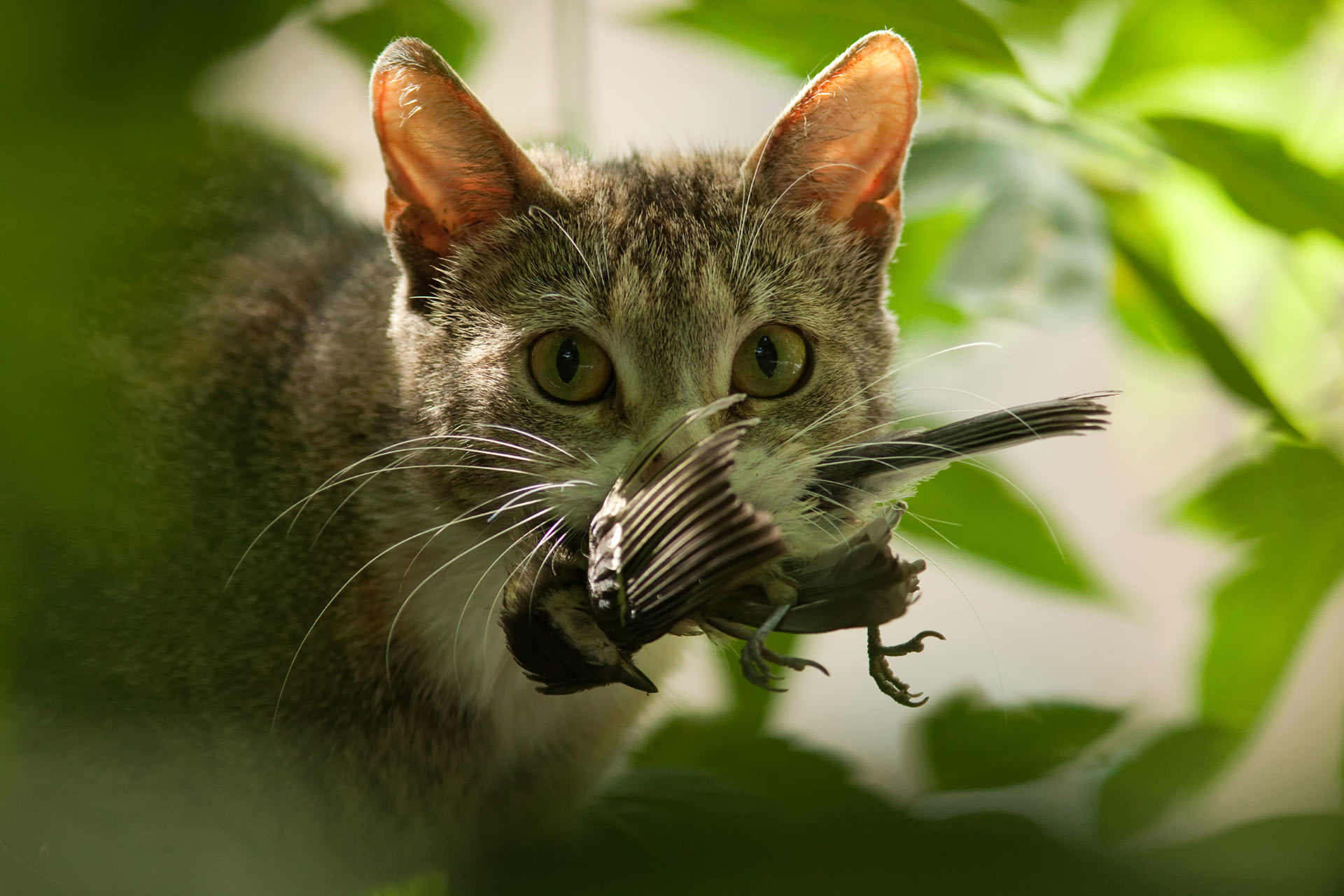
A comprehensive new study released Thursday reveals that outdoor cats kill between 105 million and 197 million birds annually across Canada, representing one of the most significant human-related threats to the country's avian populations.
The research, conducted by a coalition of Canadian wildlife biologists and published in the Journal of Applied Ecology, analyzed data from 23 provinces and territories over a five-year period. The study tracked both feral cat colonies and owned cats with outdoor access across urban, suburban, and rural environments.
"The numbers are staggering and represent a conservation crisis that demands immediate attention," said Dr. Rebecca Thompson, lead researcher at the University of Calgary's Faculty of Veterinary Medicine. "This level of predation is contributing to the decline of several native bird species, particularly ground-nesting birds and migratory species."
The study found that Alberta accounts for approximately 18.5 million bird deaths annually due to outdoor cats, with Calgary's urban sprawl contributing significantly to these numbers. House sparrows, American robins, and various warbler species were identified as the most frequent victims.
Birds Canada, a national non-profit organization, called the findings "deeply concerning" and urged immediate policy changes. The organization has long advocated for keeping cats indoors or in supervised outdoor enclosures to protect both wildlife and the cats themselves.
"Outdoor cats face numerous dangers including traffic, disease, predators, and extreme weather," explained Dr. Michael Harrison, Birds Canada's conservation director. "Indoor cats typically live longer, healthier lives while also protecting our native wildlife."
The research distinguished between owned cats with outdoor access and feral cat populations, finding that owned cats account for approximately 60 per cent of bird mortality. Feral and stray cats, while fewer in number, tend to be more effective hunters due to their survival dependency on hunting.
Several Canadian municipalities have begun implementing stricter bylaws regarding outdoor cats. Toronto recently expanded its cat licensing program, while Vancouver introduced mandatory spay-neuter requirements for outdoor cats. Calgary city council is expected to review similar measures following this latest research.
The study also examined the economic impact of bird loss on Canadian ecosystems, estimating that the reduction in natural pest control services provided by birds costs Canadian agriculture approximately $1.2 billion annually in increased pesticide use and crop damage.
Cat advocacy groups have responded to the study with calls for increased trap-neuter-return programs for feral populations and better education for pet owners. The Alberta Society for the Prevention of Cruelty to Animals emphasized that responsible pet ownership includes keeping cats indoors or providing secure outdoor enclosures.
Wildlife rehabilitation centres across Canada report that cat attacks represent the leading cause of bird injuries requiring medical intervention. The study's authors recommend a multi-pronged approach including public education campaigns, municipal bylaws requiring indoor housing, and expanded funding for feral cat management programs.
The research team plans to conduct follow-up studies examining the effectiveness of various intervention strategies and their impact on both bird populations and cat welfare across Canadian communities.