


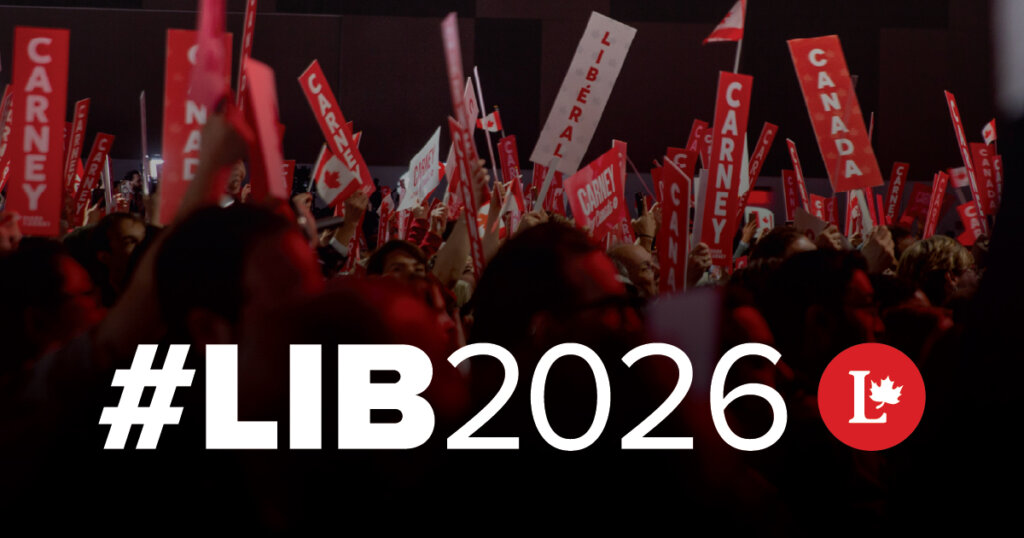
Canada's Liberal Party has thrown its weight behind tough new restrictions on social media and artificial intelligence access for young people, with grassroots members voting in favour of age-based limitations at the party's national convention in Montreal this weekend.
The move signals growing concern among Canadian policymakers about the documented harms social media platforms and AI chatbots pose to teenagers and children. But experts warn that bans alone won't solve the problem — and could backfire.
What Did Liberals Vote On?
Members approved two separate resolutions addressing youth access to digital platforms. The first would establish a "minimum age of 16 for creating social media accounts," modelled after legislation Australia passed late last year. Under this proposal, the burden would fall on tech companies themselves to prevent underage account creation and use.
The second resolution takes an even broader approach, calling for a complete ban on anyone under 16 accessing AI chatbots like OpenAI's ChatGPT and other potentially harmful AI tools.
"These technologies have been shown to limit desire for interaction with peers, pushed some young people into sexual conversations and have even recommended suicide to vulnerable youth," the resolution states.
Both proposals sparked heated debate before ultimately gaining member approval.
What Happens Next?
It's important to note that Liberal Party convention resolutions don't automatically become law. However, they do carry symbolic weight and can influence federal policy priorities. Quebec MP Rachel Bendayan, who championed the social media resolution, emphasized the need for serious national conversation.
"I think we are intelligent enough as a population here in Canada to have a very serious debate about how we can protect young people online," Bendayan said following the vote. "That conversation should include young people themselves."
Not Everyone Agrees
While the resolutions passed with member support, some experts argue that age bans alone miss the mark. Taylor Owen, the Beaverbrook Chair in Ethics, Media and Communications at McGill University and a member of the government's expert panel on online safety, warns against a blanket prohibition.
"It's punishing the kids for something that's our fault. They didn't cause these problems. The problems are designed into the products they're using," Owen said. "It's signalling that we think these products can never be safe. And we know that's not the case. The companies are choosing to make them unsafe and we are allowing them to be unsafe by not regulating them."
Owen also raises a practical concern: teenagers will likely find workarounds, potentially moving to private chats or less regulated platforms where they might face even greater risks.
The Real Solution?
Rather than outright bans, Owen and others advocate for stronger regulation from Ottawa, including independent oversight of tech platforms and mandatory risk assessments. This approach would address the root cause — poorly designed algorithms and unsafe platform features — rather than simply restricting young people's access.
The debate reflects a broader shift in Canadian politics toward tech accountability. Whether Parliament ultimately pursues age restrictions, regulatory oversight, or a combination of both approaches, one thing is clear: policymakers across the country are increasingly focused on protecting Canadian youth from digital harms.
This article was adapted from reporting by CBC British Columbia.