


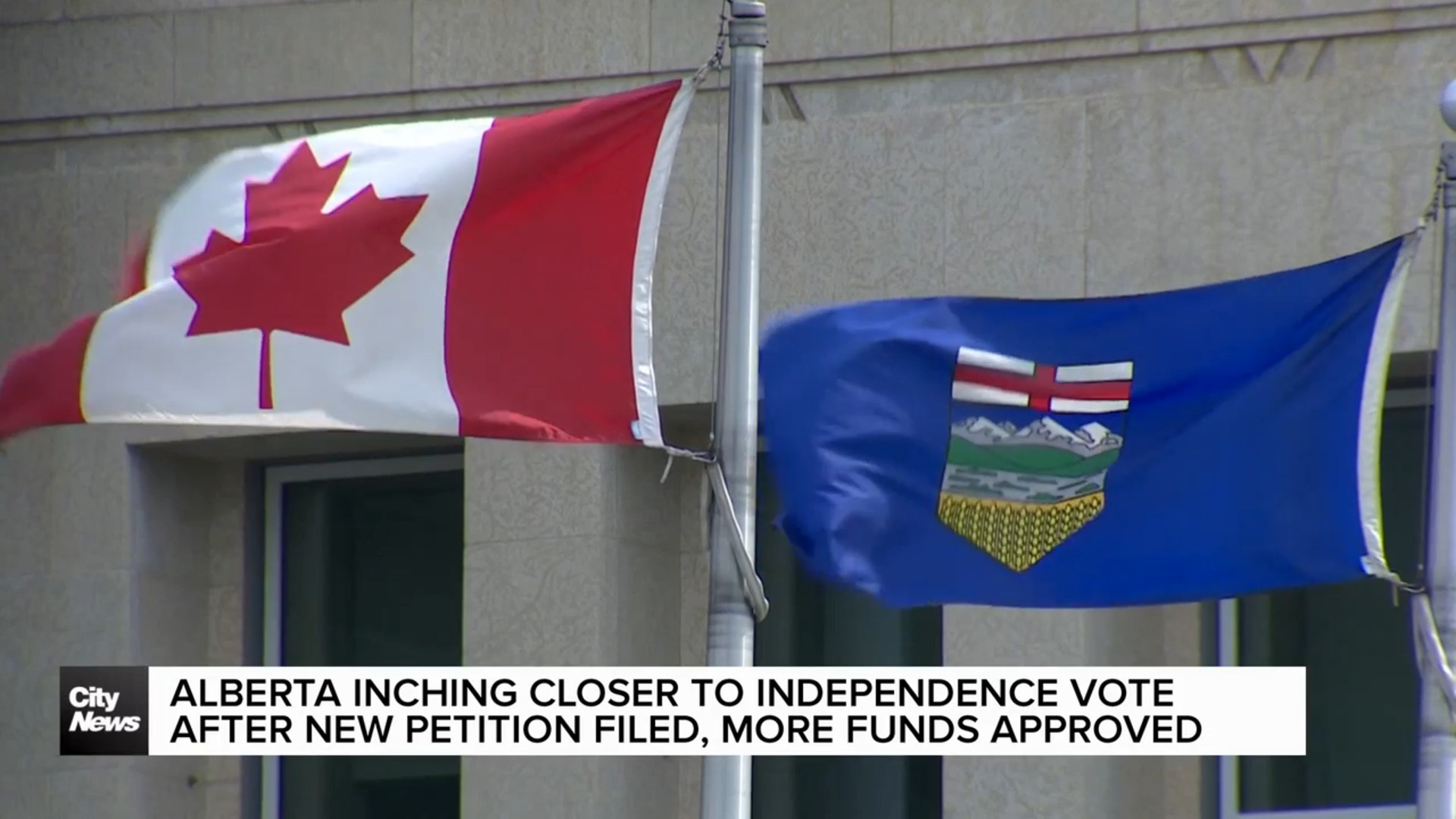
The Alberta separation debate has dominated headlines for months, but most discussions focus on constitutional powers, pipeline ownership, and equalization payments. Meanwhile, everyday Albertans are grappling with far more pressing personal questions: What happens to my Canada Pension Plan? Are my bank deposits still protected? Do my tax-free savings accounts carry over?
These aren't abstract theoretical concerns. For thousands of Albertans nearing retirement, the answers could determine whether they have enough to live on in their senior years.
The CPP Puzzle Nobody's Solving
Canada's Pension Plan is a joint federal-provincial arrangement that has been built over decades. Every Albertan who has paid into it—and every retiree drawing from it—depends on an intricate system that assumes Alberta remains part of Canada.
In 2023, the Alberta government commissioned a report suggesting the province's share of CPP assets could be worth roughly $334 billion. But here's the problem: the federal chief actuary disputes that figure. The two sides can't even agree on the starting number.
If separation actually happened, negotiations would begin between governments that may fundamentally disagree on money, jurisdiction, and liability. If you're within a decade of retirement, that timeline isn't theoretical—it's your financial future.
"For most Albertans, the questions are more immediate—What happens to my CPP? Is my savings account still insured? Do my TFSA contributions carry over?" — Political observers note the absence of straight answers on personal finance impacts
Bank Deposits: Who Insures You Tomorrow?
Right now, deposits at Canadian banks are protected by the Canada Deposit Insurance Corporation (CDIC), a federal crown corporation that insures eligible deposits up to $100,000 per category per institution. It's a safety net millions of Albertans rely on.
An independent Alberta would face a stark choice: build its own deposit insurance system from the ground up, or negotiate continued membership in a federal program from which it had separated. Either path raises uncomfortable questions about timing, costs, and transition risks.
During any transition period, what happens if a bank fails? Who's liable? These gaps in planning represent real risk for real people.
The Deafening Silence from Leadership
Politicians on both sides of the separation debate are happy to discuss constitutional authority and resource ownership. But when ordinary Albertans ask about their retirement savings, tax accounts, and deposit insurance, the answers are vague or non-existent.
Community members discussing these concerns on forums like Calgary Forums note the frustration: voters deserve clear, detailed answers about how separation would affect their personal finances before they're asked to make such a monumental decision.
The financial mechanics of separation are complex, but they're not impossible to explain. What's missing is the political will to have that conversation honestly.
This article is based on reporting and analysis originally published by the Calgary Herald. For the full original piece and ongoing coverage of Alberta's separation debate, visit the Calgary Herald website.