


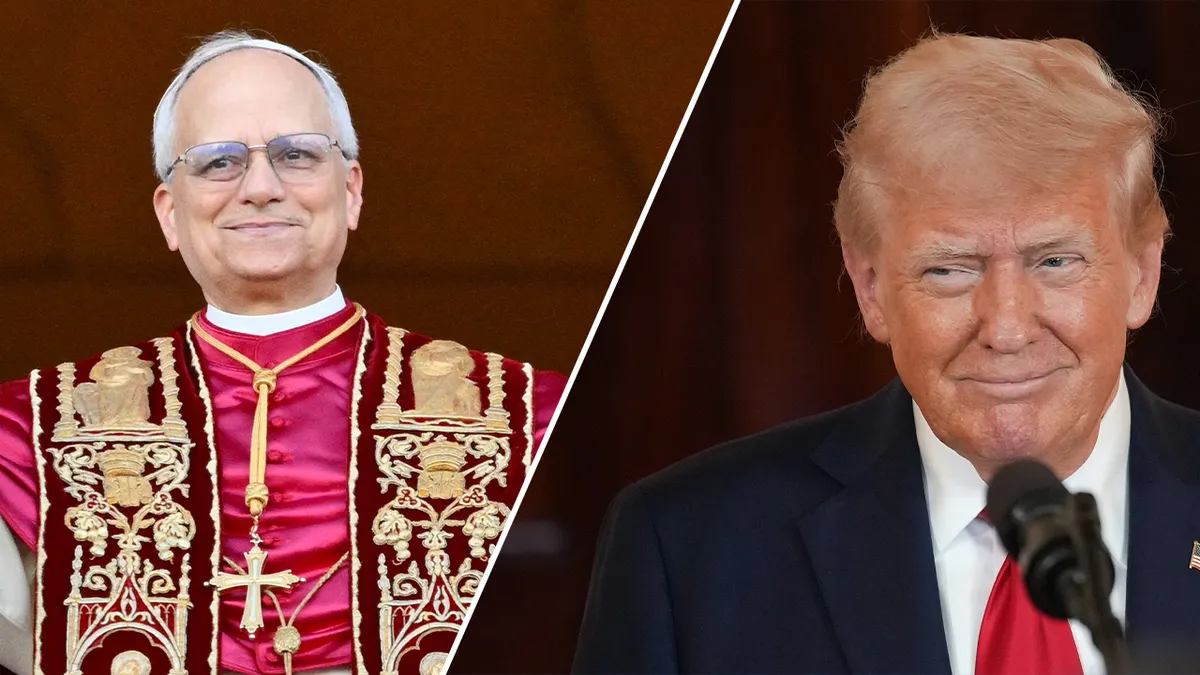
A simmering diplomatic dispute between U.S. President Donald Trump and Pope Leo XIV has boiled over into a public confrontation, with the American leader firing back at the pontiff on social media over their sharply differing views on Middle East policy.
Trump took to Truth Social this week to criticize Pope Leo XIV after the Vatican leader publicly questioned Washington's role and approach to the ongoing conflict in the Middle East. The pontiff's remarks marked a pointed challenge to U.S. foreign policy from one of the world's most influential religious figures.
The clash represents an unusually direct public dispute between a sitting U.S. president and the head of the Roman Catholic Church—a conflict that has drawn international attention and underscores deep disagreement over America's military and diplomatic engagement in the region.
A Growing Rift
Sources familiar with Vatican-U.S. relations suggest tensions between the Trump administration and the papal office have been building for months. The latest exchange marks a significant escalation from behind-the-scenes diplomatic friction to open criticism aired before global audiences.
Pope Leo XIV has been increasingly vocal about peace initiatives in the Middle East, calling for de-escalation and diplomatic solutions. His recent statements positioned the Vatican as a potential mediator seeking to reduce violence and suffering in the region.
Trump's response challenged the pontiff's characterization of U.S. involvement, defending American foreign policy decisions and suggesting the Pope lacks full understanding of the geopolitical complexities at stake.
Religious and Political Divisions
The public feud highlights broader tensions between religious institutions advocating for peace and a U.S. administration pursuing what it views as necessary security measures. The dispute carries significance for American Catholics and interfaith communities watching how their spiritual leaders and political leadership navigate international crises.
Analysts note that direct presidential criticism of the Pope is relatively rare in modern diplomatic history, making this exchange noteworthy for both religious and political observers worldwide.
This story is based on reporting from CBC World, covering international news developments affecting global affairs and diplomatic relations.