


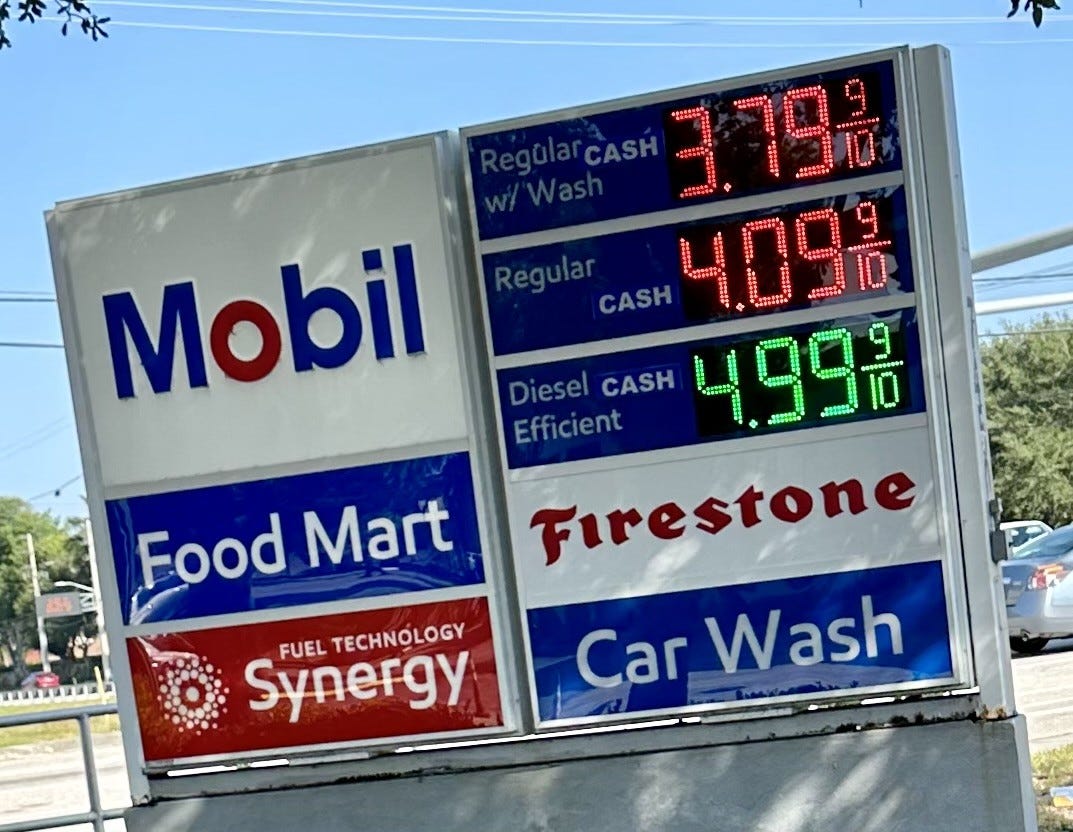
President Donald Trump's approval rating on the economy has plummeted to just 31 per cent, according to a new CNN poll, raising serious questions about Republican fortunes in the upcoming midterm elections as the ongoing war with Iran continues to push fuel prices higher across North America.
The poll, released this week, marks a significant drop in public confidence in Trump's economic stewardship — a metric that has historically been one of his strongest political assets. Analysts say the convergence of military conflict and economic anxiety is creating a politically toxic environment for Republican incumbents heading into the midterms.
Iran War Fuels Economic Anxiety
The conflict with Iran has sent oil markets into turmoil, with crude prices surging as regional instability disrupts supply chains and rattles energy markets. That volatility is being felt at fuel pumps across the United States and Canada, where motorists have been watching prices climb steadily in recent weeks.
For Canadians — particularly in Alberta, where energy markets are closely tied to global oil pricing — the effects of Middle Eastern conflict are not abstract. While higher crude prices can benefit Alberta's oil patch in some respects, the downstream impact on consumer fuel costs is a double-edged sword that household budgets cannot easily absorb.
Political Fallout for Republicans
CBS News political correspondent Fin Gómez noted that the combination of a wartime economy and declining presidential approval is precisely the kind of environment that historically punishes the party in power during midterm cycles.
Voters tend to hold the president's party accountable for economic conditions, regardless of the underlying causes. With inflation concerns still lingering and gas prices rising, Republican candidates in competitive districts face an increasingly difficult environment in which to campaign on the administration's economic record.
Trump's approval on the economy has dropped to 31 per cent — a number that, if sustained, could translate into meaningful seat losses for Republicans in the House and Senate.
Political observers note that midterm elections are often characterized as referendums on the sitting president, and a sustained decline in economic approval ratings typically foreshadows significant gains for the opposition party.
What This Means for Canada
While Canadian voters do not cast ballots in U.S. midterms, the political and economic dynamics south of the border carry significant weight for Ottawa and provincial capitals alike. A potential shift in U.S. congressional power could affect trade policy, energy negotiations, and the broader Canada-U.S. relationship — all matters of acute concern for Alberta's energy sector and Canadian exporters.
The coming months will test whether the Trump administration can reverse the economic narrative before midterm voting gets underway, or whether rising gas prices and war costs cement a political realignment in Washington.
Source: CBS News. This article is based on reporting by CBS News correspondent Fin Gómez.