


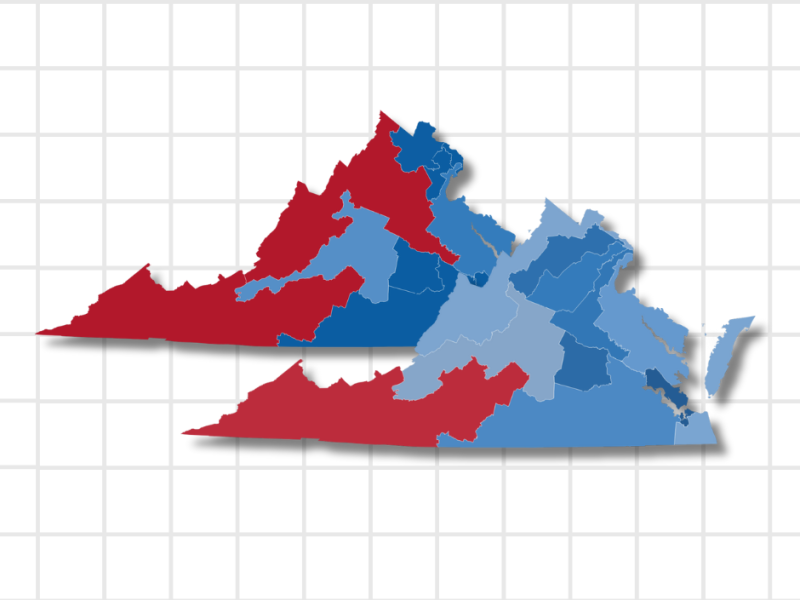
Virginia voters have thrown down the gauntlet in an escalating national battle over congressional district lines, approving a mid-decade redistricting plan Tuesday that could deliver Democrats four additional U.S. House seats in November's fiercely contested midterm elections.
The razor-thin Republican House majority—currently holding just 217 of 435 seats—now faces mounting pressure from multiple states redrawing district boundaries in a unprecedented cycle of mid-decade political reshuffling.
A Dramatic Departure from Tradition
For decades, congressional redistricting happened once every 10 years, following the census. That decades-old norm shattered last year when President Donald Trump urged Republican officials in Texas to redraw districts mid-cycle, igniting a firestorm of reciprocal moves across the country.
The Virginia referendum narrowly passed despite fierce opposition, including Trump's urgent social media pleas for voters to reject the plan. The constitutional amendment technically bypasses a bipartisan redistricting commission, though Virginia's state Supreme Court is currently examining whether the maneuver is legal—a decision that could render Tuesday's vote meaningless.
"This is about pushing back against what other states have done in trying to stack the deck for Donald Trump," said Democratic Governor Abigail Spanberger, framing Virginia's move as defensive rather than offensive.
The National Landscape Shifts
Across America, at least seven states have now amended House districts, creating what political analysts call the most chaotic redistricting environment in modern U.S. history.
Republicans claim they can secure up to nine additional seats through redrawn districts in Texas, Missouri, North Carolina, and Ohio. Democrats counter that they can capture up to five more seats in California—where voters approved similar mid-decade redistricting last November—plus one additional seat in Utah following court-imposed changes.
In Virginia specifically, the new plan could help Democrats capture as many as 10 of the state's 11 House seats. The proposed map strengthens Democratic strongholds in northern Virginia, dilutes conservative voting power in districts spanning Richmond and Hampton Roads, and strategically clusters three Democratic-leaning college towns in western Virginia.
Control of Congress Hangs in Balance
Democrats need to flip only a handful of seats to wrest House control from Republicans, potentially allowing them to block Trump's legislative agenda or pursue impeachment proceedings. Historical patterns suggest the party holding the White House typically faces steep losses in midterms—as Trump witnessed in 2018 when Democrats gained 40 seats.
Recent polling shows voter disapproval of Trump's administration's handling of the economy and expansive deportation efforts, providing Democrats with additional momentum heading into November.
"When voters have a say, they are rejecting Republicans' attempt to rig the system," said House Rep. Suzan DelBene of Washington, chair of the Democratic Party's congressional campaign committee, following Virginia's Tuesday vote.
Republicans have vowed to continue battling Virginia's new map in court, setting the stage for protracted legal warfare that could extend well beyond November's elections.
This article is based on reporting from CBC World.