


A groundbreaking study led by researchers at the University of Calgary has uncovered a sobering reality for cancer survivors: those diagnosed during adolescence and young adulthood face roughly double the risk of developing a second cancer later in life compared to the general population.
The research, published Monday in the Canadian Medical Association Journal, analyzed nearly a quarter-century of data from the Alberta Cancer Registry and examined outcomes for 24,459 survivors who were first diagnosed with cancer between ages 15 and 39. Among this cohort, 1,442 developed a subsequent cancer — significantly higher than the 643 cases expected in a comparable population without a cancer history.
The Treatment Trade-Off
Miranda Fidler-Benaoudia, a cancer epidemiologist at the University of Calgary and Cancer Care Alberta, explained that while cancer treatments save lives, they can carry long-term consequences.
"There really is a delicate balance between cure and long-term quality of life," Fidler-Benaoudia said. "Radiation is a recognized cause of cancer. Whilst the radiation is necessary to treat those original cancers, it simultaneously increases the risk of developing another cancer because that part of the body has been irradiated."
Beyond radiation, Fidler-Benaoudia noted that chemotherapy and certain hormone therapies used in cancer treatment can also increase the risk of secondary cancers years or decades later — a harsh reality of modern oncology.
Genetic Factors and Evolving Treatment
The heightened risk isn't entirely attributable to treatment side effects. Genetic predisposition also plays a significant role, researchers found. As cancer therapies continue to advance, however, there is hope that newer treatment protocols will prove less likely to trigger secondary malignancies.
Among survivors who developed subsequent cancers, breast, colorectal, and lung cancers emerged as the most common diagnoses. The findings arrive at a time when cancer diagnoses in young Canadians are increasing by 1.3 per cent annually.
Urgent Call for Enhanced Screening
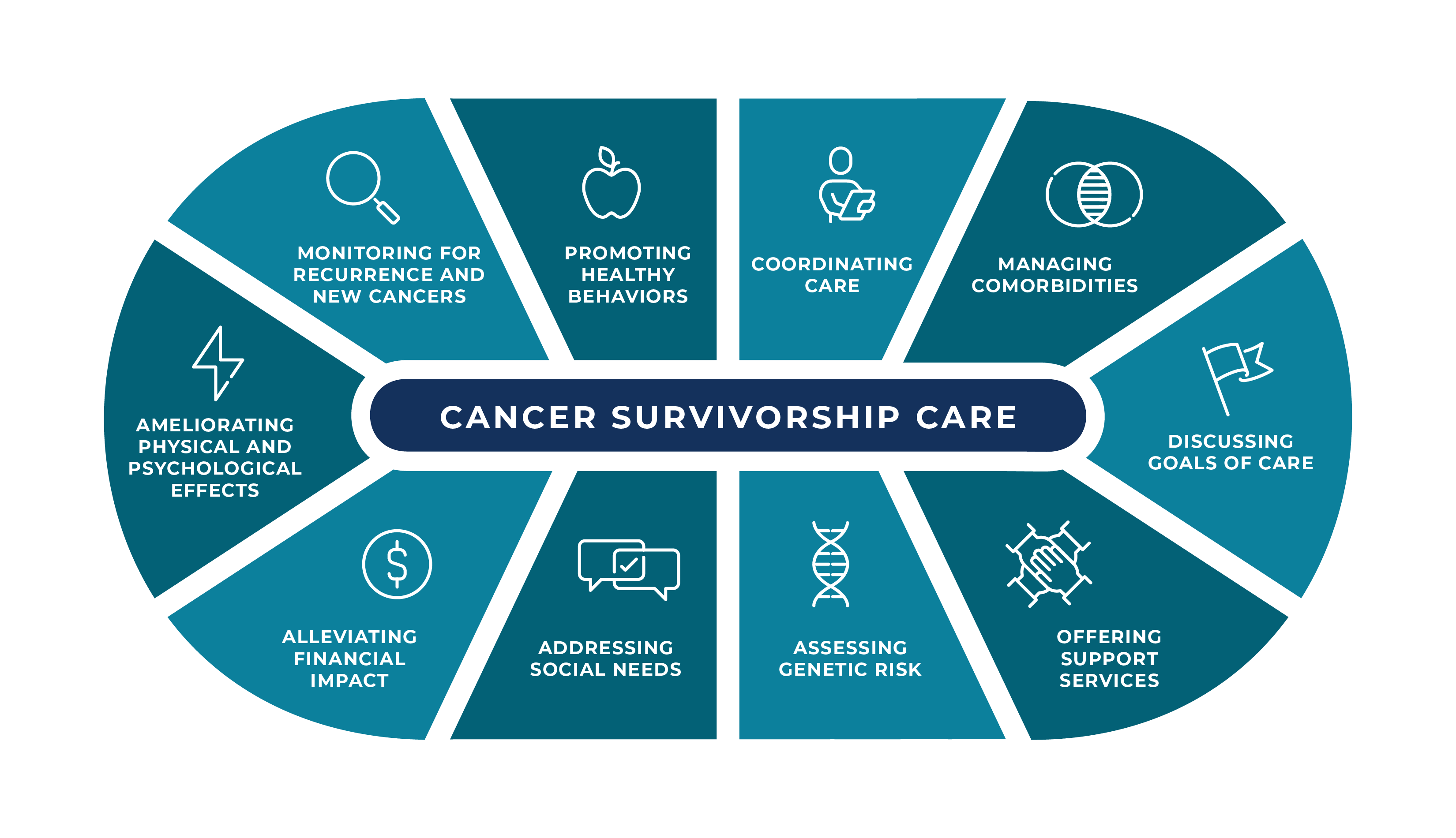
Cancer experts are now advocating for provincial governments to implement comprehensive screening programs specifically designed for young cancer survivors — screening that begins earlier than conventional guidelines typically recommend for the general population.
"Early detection of a second cancer can dramatically improve outcomes," Fidler-Benaoudia emphasized. The research underscores the need for coordinated, long-term follow-up care that extends well beyond the initial cancer diagnosis and treatment phase.
The study analyzed Alberta Cancer Registry data spanning from January 1, 1983 through December 31, 2017, providing one of Canada's most comprehensive looks at secondary cancer risk in younger survivors. As survival rates for initial cancers continue to improve, understanding and managing the long-term health risks facing these survivors becomes increasingly critical to ensuring quality of life in the years and decades ahead.
This article is based on reporting by the Lethbridge Herald.