


What was once considered unquestionably taboo is making an unwelcome comeback. A derogatory slur targeting people with intellectual and developmental disabilities has experienced a significant resurgence over the past two to three years, driven largely by high-profile public figures who appear willing to use it without consequence.
The shift marks a troubling regression, say disability advocates and researchers who spent decades working to remove the word from public discourse. In the 2010s, celebrities including the Kardashian family and NBA star LeBron James publicly apologized for using the slur. But that consensus has fractured.
"Hearing it is like having the wind knocked out of you," said Liz Etmanski, an artist, writer and advocate living in British Columbia who has Down syndrome. "It's really like an attack to your heart. People that use it think they can get away with it … all they're doing is putting you down."
Growing up, Etmanski endured the slur repeatedly in school—a painful reminder that the word carries real weight for those targeted by it. Yet in recent years, prominent figures including tech entrepreneur Elon Musk, podcast host Joe Rogan, and U.S. President Donald Trump have deployed the word publicly. Following Trump's use of the term in a Thanksgiving Day post targeting Minnesota Governor Tim Walz, researchers at Montclair State University documented a more-than-threefold spike in the word's usage on social media platform X.
The Normalization Problem
Paul Etherington, co-founder of disability awareness organization Motionball, points directly at leadership as the culprit. "Sadly, I think it is because of North American and international leaders—be it in technology, industry or government—who feel it's okay to use that word," he said.
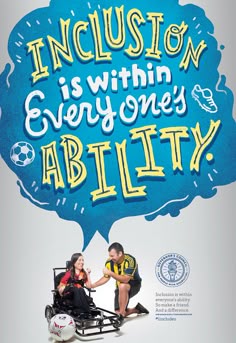
Etherington's organization runs the "No Good Way" campaign, dedicated to encouraging people to abandon the slur entirely.
Amy Hewitt, director of the Institute on Community Integration at the University of Minnesota, notes that many assumed the battle over this word had been won. "We just sort of made an assumption we're beyond that and we're not," she said. "New people are born, new people grow up. And I think it's a constant educational campaign."
Freedom of Speech vs. Human Dignity
Some defenders of the slur's resurgence frame it as a free speech issue. Podcast host Joe Rogan, for instance, described the word's comeback as "one of the great culture victories" during a recent episode.
But Hewitt rejects that framing. "My question is, 'Why would you want to use language that is known to be hurtful, and that people are asking you not to use?'" she said. "You're showing who you are as a human being if you think that's OK to still use words that people tell you are hurtful to them."
The real-world impact extends beyond online arguments. Hewitt's own brother-in-law has an intellectual disability. At a grocery store, she and her family overheard another customer casually deploying the slur—a moment that brought the abstract debate into sharp, painful focus.
For people with disabilities and their families, the resurgence represents a setback in a long struggle for dignity, respect, and inclusion in Canadian and North American communities. Advocates say the path forward requires consistent education, unwavering commitment from leadership, and a collective choice to reject language designed to diminish and dehumanize.
This article is based on reporting from CBC Health originally published by Michael Torres.