


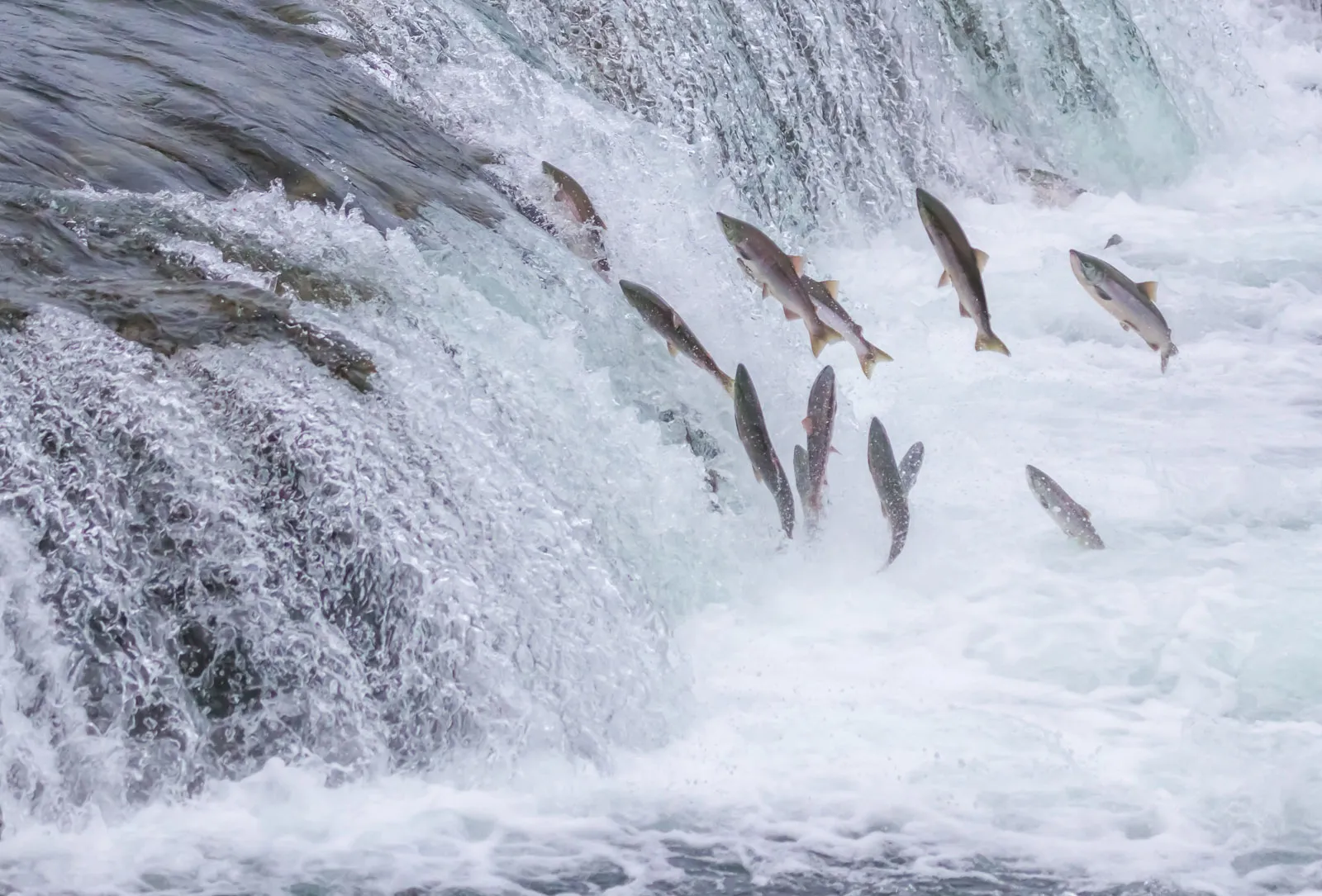
Across the globe, some of Earth's most remarkable animal journeys are being cut short. A groundbreaking international assessment has identified 325 species of migratory freshwater fish that cross international borders and urgently need protection to survive the next decade.
The dorado catfish tells the story best. This massive Amazonian species undertakes an 11,000-kilometre pilgrimage from the Amazon estuary in northern Brazil to the foothills of the Andes Mountains, crossing through Colombia, Ecuador, Peru, Bolivia and Brazil. It's a lifetime journey — but one increasingly blocked by human infrastructure and environmental destruction.
The Barriers That Block a Ancient Journey
"If you block these migrations, the stocks will disappear and, in some cases, the species will go extinct," explains Zeb Hogan, a biologist at the University of Nevada who led the global assessment published in March by the World Wildlife Fund, the Convention on the Conservation of Migratory Species of Wild Animals, and the University of Nevada.
The threats facing migratory fish are multifaceted and relentless:
Dams remain the primary culprit, physically blocking fish from swimming upstream to spawning grounds and preventing downstream migration after reproduction. Habitat degradation includes spawning areas converted into gravel mines or sand quarries. Agricultural expansion has consumed critical floodplains where young fish develop. And overfishing continues to deplete populations faster than they can recover.
"These are species where populations are either in decline or, in some cases, at risk of extinction, and they need international cooperation for their management and protection," Hogan said.
Canadian Fish in Peril
The crisis isn't confined to South America. The American eel, a species with deep historical significance in Canadian rivers and the Great Lakes, now faces an uncertain future. These eels reproduce in the Sargasso Sea near Bermuda, then their larvae migrate into the St. Lawrence River and eventually up into the Great Lakes.
Steven Cooke, a Canadian fisheries biologist at Carleton University in Ottawa and Canada Research Chair in Fish Ecology and Conservation Physiology, expressed concern over the species' trajectory. Despite years of scientific evidence and controversy, the federal government decided against listing the American eel as a species at risk — a decision Cooke and other experts view with apprehension.
Why This Matters Beyond Science
Migratory freshwater fish aren't just biological curiosities — they're economic and cultural anchors for communities worldwide. These species support commercial and subsistence fisheries that feed millions, drive tourism economies, and hold deep spiritual significance for Indigenous peoples.
The international assessment underscores a critical reality: fish don't respect borders, and neither can their protection. One nation's dam or overfishing policy cascades across continents, affecting ecosystems thousands of kilometres away.
As climate change intensifies water stress and human populations continue expanding, the window for coordinated action is narrowing. Scientists and conservation organizations are calling for governments to prioritize fish passage infrastructure, enforce stricter harvest regulations, and establish transnational management frameworks.
The dorado catfish's epic 11,000-kilometre journey is one of nature's great stories — but only if we let it continue.
This story is based on reporting from CBC Tech and draws on interviews with leading fisheries scientists working across North America and internationally.