


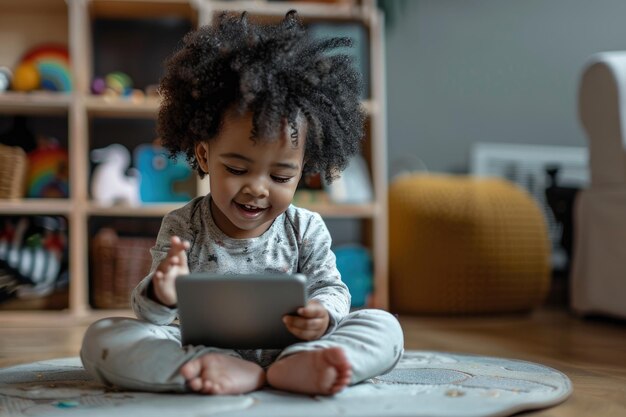
A troubling trend is sweeping YouTube: artificially generated videos designed to capture the attention of toddlers and preschoolers, and experts say parents should be concerned.
These AI-created videos—often called "AI slop"—feature bright animations, repetitive sounds, and familiar characters from popular children's shows. But beneath the colourful veneer lies something potentially harmful to early childhood development, according to child development researchers and pediatricians across Canada.
"It's garbage and young children cannot learn from garbage," said Dr. Michelle Ponti, chair of the Canadian Pediatric Society's digital health task force and lead author of its screen guidelines for children under five. The London, Ontario-based pediatrician didn't mince words about the content flooding the platform.
What Makes These Videos Problematic
A closer inspection of these videos reveals telltale signs of artificial intelligence generation. Characters and objects morph unexpectedly—a red car changes appearance between scenes, or a child on a scooter mysteriously disappears into the ground. Letters and numbers appear garbled, and basic physics breaks down entirely, with underwater bubbles floating downward instead of rising to the surface.
The concern extends beyond simple visual confusion. According to Keri Ewart, an associate professor of education at Wilfrid Laurier University who researches AI literacy, these videos lack any genuine educational structure.
"They don't really have any developmental, cognitive coherence or intention to it," Ewart explained. For young children whose brains are still forming foundational understanding of the world, such incoherent content can actually impede learning rather than support it.
Some videos have even been documented modelling dangerous behaviours—such as grabbing hot cooking pans with bare hands—a serious concern for parents whose children may mimic what they see.
Growing Movement for Change
Advocacy groups are taking action. This month, Fairplay sent a formal letter to Google, YouTube's parent company, demanding changes to how AI-generated videos are displayed and distributed on the platform.
"AI slop harms children's development by distorting their sense of reality, overwhelming their learning processes, and hijacking their attention," the letter states.
Dr. Ponti emphasized what actually works for young learners: genuine human connection. "We know what promotes early learning, and that's face-to-face contact with a loving caregiver—that back-and-forth interaction with an actual human who can make connections and help that child learn," she said.
What Parents Should Know
While some AI-generated content may include disclosures labelling it as "altered or synthetic content," not all creators are transparent about the nature of their videos. Parents browsing YouTube with their toddlers may have no way of knowing they're watching computer-generated gibberish rather than professionally produced children's programming.
The Canadian Pediatric Society continues to recommend that parents prioritize real-world interaction and high-quality, intentionally-designed educational content over passive screen time—especially for children under five.
This article is based on reporting from CBC Health. Read the original story at CBC News.