


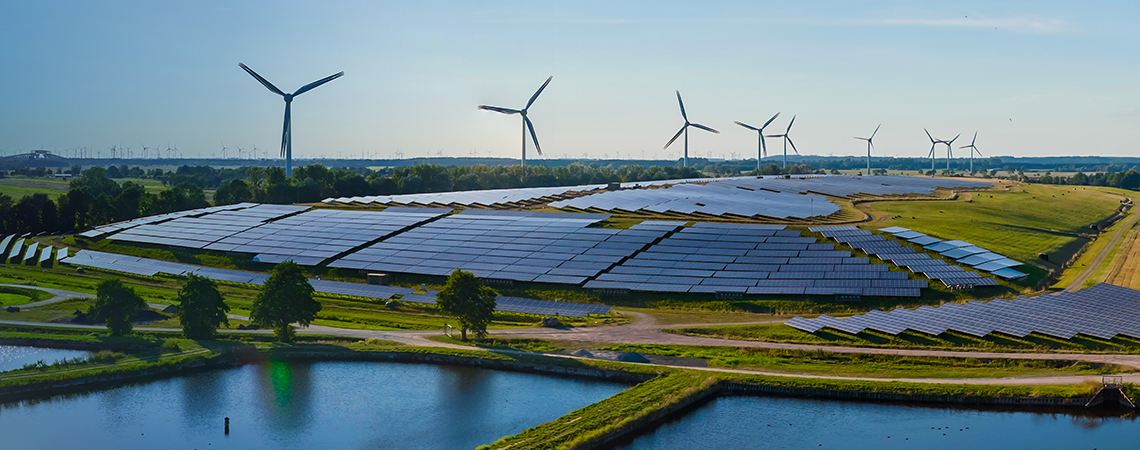
Europe stands at a critical crossroads. A major new analysis reveals that the continent can slash its dependence on imported fossil fuels by up to 80 per cent by 2050 — while simultaneously lowering energy prices and strengthening economic competitiveness.
The findings, published by Copenhagen Infrastructure Partners (CIP) in collaboration with energy analysis firm Ea Energianalyse, paint a compelling picture of what's possible when Europe commits to rapid electrification and renewable energy expansion. The report, titled "Charging Ahead – A Roadmap for an Electrified, Competitive and Resilient European Energy System," suggests the investment required is roughly equivalent to what Europe currently pays as a price premium for imported fossil fuels.
The Cost of Dependency
Today, imported fossil fuels represent roughly 40 per cent of Europe's total energy demand, costing the continent an estimated EUR 250 billion annually. Recent geopolitical events — including shipping disruptions and supply chain vulnerabilities — have underscored just how expensive Europe's energy dependence has become, both economically and strategically.
"We're paying a geopolitical price premium for imported energy," the CIP analysis suggests. By redirecting those costs toward renewable infrastructure and electrification, Europe could fundamentally reshape its energy future.
A Roadmap for Energy Independence
The report outlines how a renewable-led energy system — powered by accelerated electrification — can strengthen Europe's energy security while reducing greenhouse gas emissions. The integrated energy model developed by CIP and Ea Energianalyse examines multiple scenarios and strategic pathways to 2050, providing policymakers with concrete options for action.
Key recommendations include aggressive investment in renewable generation infrastructure, grid modernization, battery storage systems, and widespread electrification of heating and transportation sectors. The analysis demonstrates that these investments would create a more competitive, resilient energy system capable of weathering future supply shocks.
What's Next?
The report emphasizes that achieving these goals requires decisive action from European legislators and decision-makers. Implementation of supportive policies, streamlined permitting processes, and sustained investment in clean energy infrastructure will be essential to turning this vision into reality.
For energy-conscious businesses and consumers across Europe — including Canadian investors and companies with European operations — this shift represents both a challenge and an opportunity. The transition promises lower long-term energy costs, reduced carbon exposure, and insulation from volatile global energy markets.
This story is based on reporting from Financial Post. Read the original analysis at Financial Post.