


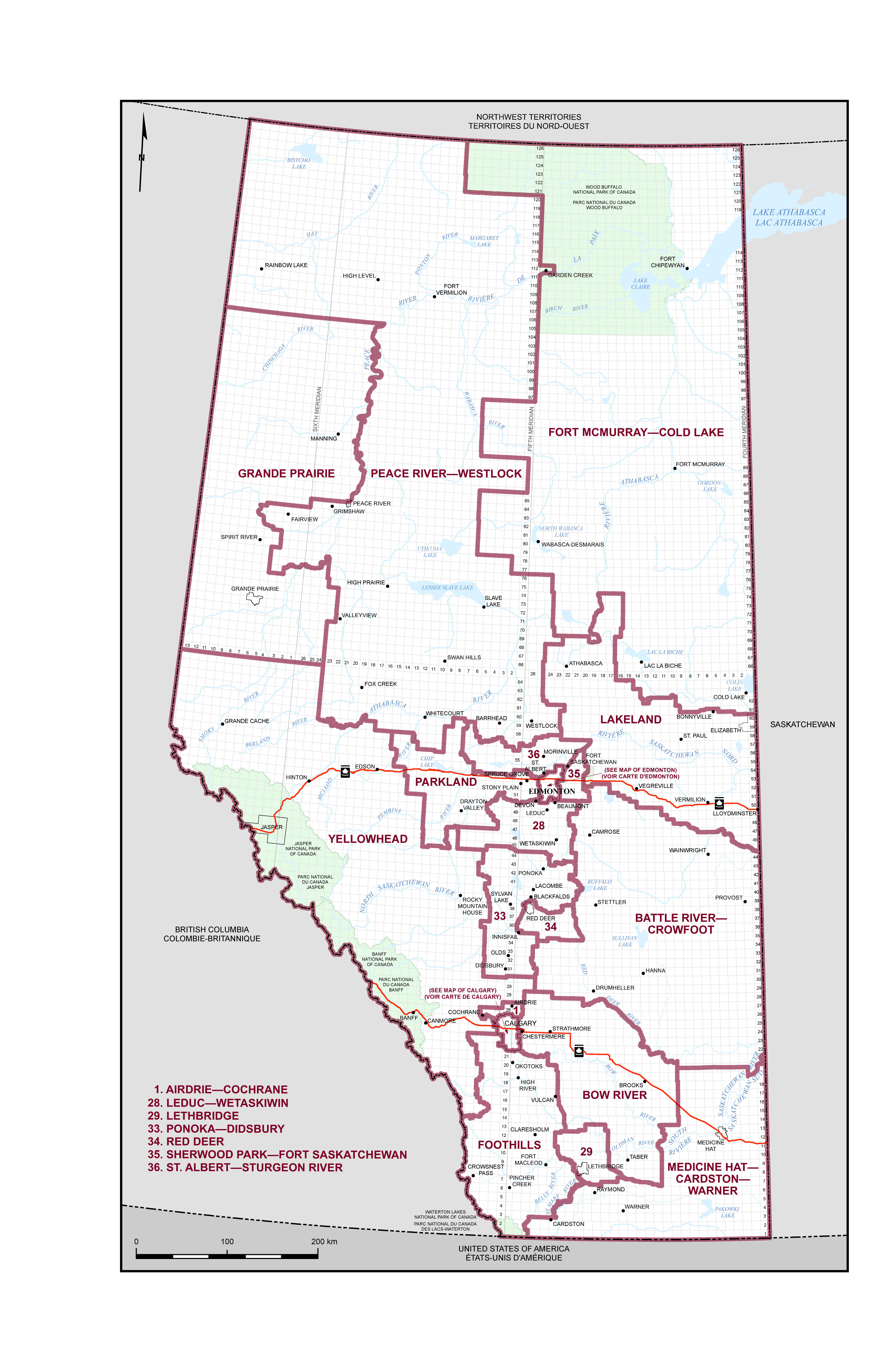
The chair of Alberta's Electoral Boundaries Commission delivered a scathing rebuke of United Conservative Party appointees Friday, accusing them of prioritizing partisan politics over fair representation in the province's most controversial redistricting process in decades.
Justice Myra Bielby, speaking at a heated public hearing in Calgary, said UCP-appointed commissioners repeatedly ignored population balance principles and "demographic realities" to protect rural Conservative strongholds at the expense of rapidly growing urban centres.
"I have never witnessed such blatant disregard for the democratic principle of representation by population," Bielby told a packed auditorium at the Southern Alberta Institute of Technology. "This commission was meant to serve Albertans, not political masters."
The controversy centres on proposed boundary changes that would maintain smaller rural ridings while forcing urban constituencies to absorb significantly more voters. Under the draft proposal, some rural ridings would have fewer than 35,000 residents while several Calgary and Edmonton constituencies would exceed 55,000.
Opposition NDP Leader Rachel Notley called the process "gerrymandering disguised as due process" and demanded Premier Danielle Smith intervene to restore independence to the commission.
"This is nothing short of electoral manipulation designed to dilute urban voices and preserve UCP power," Notley said during question period Thursday. "Albertans deserve better than rigged boundaries."
The commission's UCP appointees defended their approach, arguing rural communities require stronger representation due to geographic challenges and resource industry importance. Commissioner Robert Mackenzie said urban critics "fail to understand the unique needs of Alberta's heartland."
However, Bielby's criticism extends beyond partisan disagreements to procedural concerns. She alleged UCP commissioners held private meetings without informing other members and refused to consider alternative mapping scenarios that would better balance population distribution.
The boundary review, mandated every two elections, has drawn unprecedented public opposition. More than 3,500 Albertans submitted objections during the consultation period, with 89 per cent opposing the rural-favouring approach.
Calgary Mayor Jyoti Gondek expressed concern that the proposed changes could cost her city up to two seats in the Legislature despite accounting for nearly 30 per cent of Alberta's population growth since the last redistribution.
"Calgary residents are being systematically under-represented while our tax dollars continue supporting rural infrastructure and services," Gondek said. "This undermines the fundamental democratic principle that every vote should count equally."
The commission must submit its final report to the Legislature by April 30, with new boundaries taking effect for the next provincial election. Political analysts suggest the controversy could become a major campaign issue if the UCP proceeds with the current proposal.