


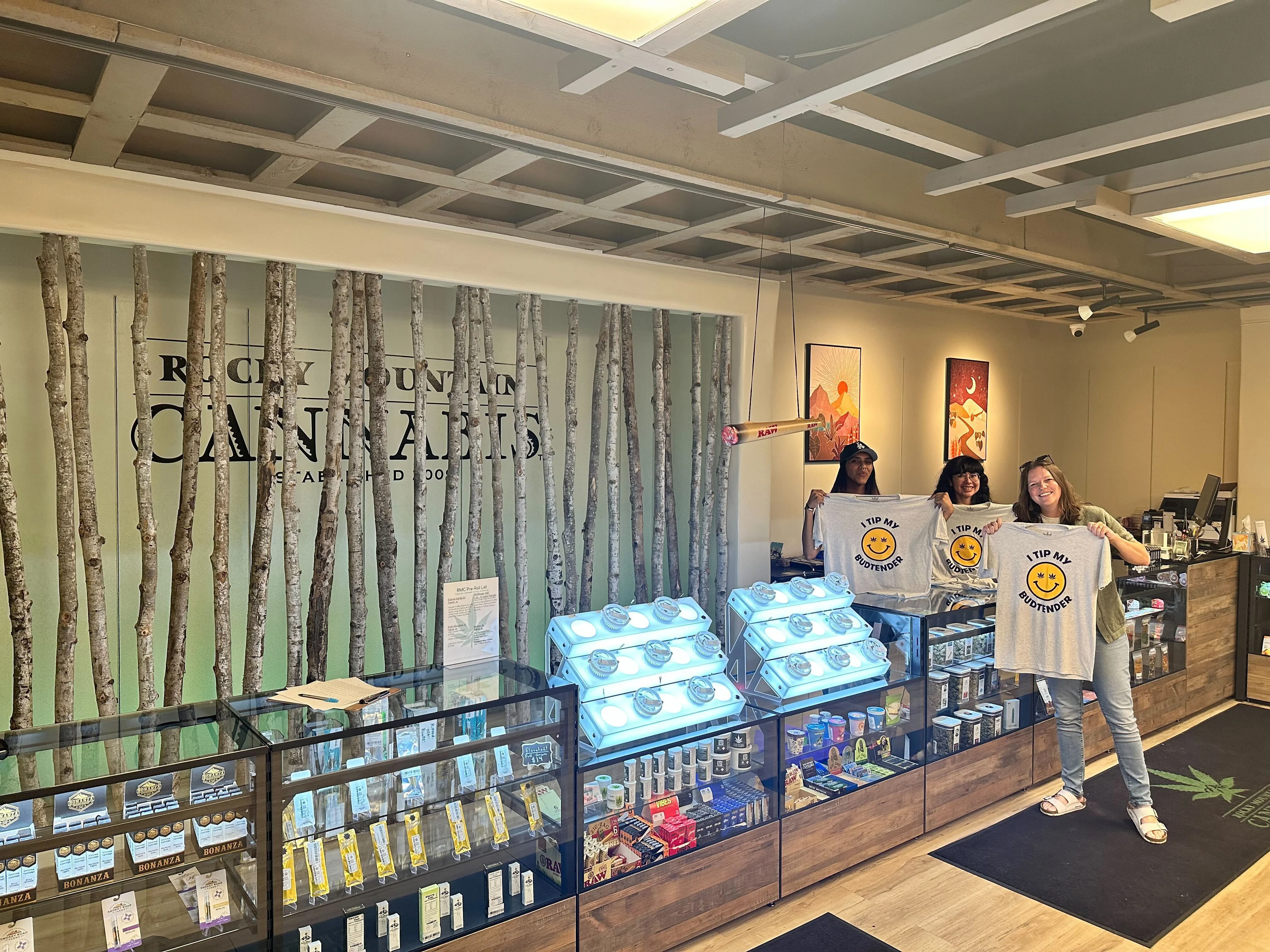
Walk into a recreational cannabis shop across Alberta and you'll encounter a surprising reality: nearly one in five customers isn't there for recreation at all. They're searching for relief.
Plantlife Cannabis, one of Alberta's largest recreational retailers, estimates that approximately 20 per cent of its 25,000 weekly customers are seeking guidance on using cannabis to manage anxiety, chronic pain, sleep troubles, and other health concerns. Yet Canada's regulations explicitly prohibit recreational retailers from making health claims or dispensing medical advice—leaving a massive void between what customers need and what shops are legally permitted to provide.
"It's the wild west out there," says Ian Scott, vice-president of operations at Plantlife Cannabis. "A lot of people are searching for alternatives to address issues that might hinder them in their life. I want to make sure that we can point them in the right direction."
Building a Bridge Between Retail and Wellness
Rather than ignore the problem, Plantlife has partnered with Kala Sanmartin, a certified holistic cannabis nurse based in Edmonton, to create a discreet pathway for customers seeking evidence-based guidance. Budtenders now direct interested customers to a QR code linking them to Vital Holistic Care's private online consultation services.
Sanmartin's journey to this work is deeply personal. Frustrated by the drowsiness and dependency issues associated with prescription sleeping pills, she turned to cannabis—only to find herself being educated by a teenager at a medical cannabis clinic.
"I was fearful because I'd never used it and I had a 19-year-old across the table from me teaching me how to use cannabis, and I thought, 'This is crazy, we need to do better,'" Sanmartin recalls. "Now that we have cannabis shops on every corner, for a lot of individuals, it's a lot easier to shop in those stores recreationally than get a medical document and order online."
Her clinic takes a whole-person approach, conducting thorough assessments and providing tailored recommendations based on individual health profiles, lifestyle, and wellness goals. Many of her clients, she notes, arrive after exhausting conventional medical options without success.
The Growing Disconnect Between Demand and Supply
The numbers tell a compelling story. According to Alberta Health data, 10 per cent of Canadians aged 16 and older reported using cannabis for medical purposes in the past year. Yet only 18 per cent had obtained a medical document from a healthcare professional—a steep decline from 27 per cent in 2019.
The message is clear: Canadians increasingly view cannabis as a wellness tool, but they're bypassing traditional medical channels to access it. Health Canada acknowledges these gaps exist and says it is actively working toward solutions, though specifics remain unclear.
Meanwhile, the question lingers for regulators: Should recreational retailers remain information deserts on health topics, or should the system evolve to meet customers where they actually shop?
This article is based on reporting by CBC Calgary.