


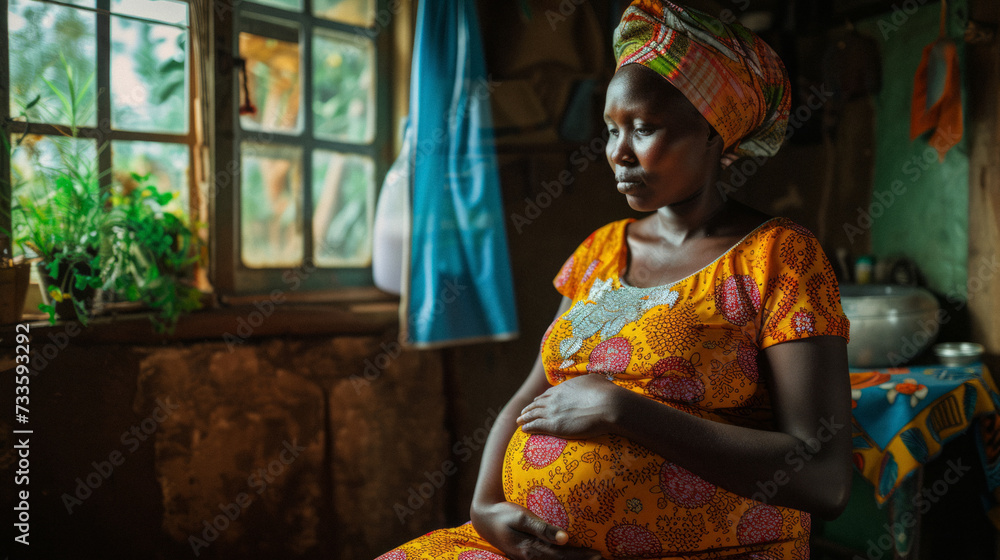
Sarah Essiambre was determined. Thirteen days past her due date on a sunny August morning in 2024, she woke to contractions at her Vancouver Island home, ready to take control of her third birth after years of feeling dismissed by the medical system.
Her first two pregnancies had been highly medicalized. An obstetrician told her she could never have a vaginal birth after her caesarean section — a verdict that left her feeling traumatized and powerless. When she began researching alternatives online, she discovered a growing community of women rejecting hospital births entirely: the freebirthing movement.
The Rise of Unassisted Birth in Canada
Freebirthing — giving birth without any medical professional present, often without prenatal testing or fetal monitoring — is gaining momentum across Canada, though nobody is officially tracking these births. Data from Ontario coroners, combined with reports from midwives and physicians, suggests the trend is real and growing.
"We've been hearing more about freebirths," said Dr. Lynn Murphy-Kaulbeck, national president of the Society of Obstetricians and Gynecologists of Canada. "But since there's little data, it's hard to know how widespread it is — or how to address it."
Online freebirthing communities and influencers promote the narrative of bodily autonomy and maternal control. Women share stories of reclaiming their birth experience from what they describe as an over-medicalized, dismissive healthcare system. For many, it feels like the only way to be heard.
Rural Access Barriers Meet Growing Distrust
The problem isn't just ideology — it's infrastructure. Rural communities across British Columbia and Alberta face severe shortages of maternal care. Women in remote areas often must travel hours for prenatal appointments or delivery, creating real logistical barriers that push some toward home birth as a practical choice.
Meanwhile, pandemic-era distrust of institutions has deepened. Registered midwife Amanda Emsley, who serves rural Vancouver Island communities in Nanaimo, has noticed a shift in patient attitudes.
"An idea that the institution may push something on me and that I'm going to be in a vulnerable state, and the thing I care the most about — my little one — is going to be at the mercy of somebody else's decision-making," Emsley observed.
For Essiambre, freebirthing felt inevitable until she found a midwife willing to support a home birth. "One hundred per cent, I would have chosen freebirth," she said, "had I not been able to find a midwife who would support my choice."
The Medical Reality of Risk
Physicians acknowledge the system has failed to listen to expectant mothers — but they warn the risks of unassisted birth are genuine and serious. Dr. Murphy-Kaulbeck, with over two decades of obstetric experience, explained the stakes plainly.
"I'm not needed for probably 90 per cent of deliveries — you go in, you catch the baby, it's good," she said. "But for that 10 per cent — or, when intervention is needed, it can go very, very wrong."
Complications during labour can escalate rapidly from manageable to life-threatening. Without immediate access to emergency interventions, medical equipment, or trained professionals, mothers and babies face preventable harm.
A System Failure Demanding Solutions
The rise of freebirthing reflects genuine problems: inadequate maternal care in rural regions, dismissive treatment of women's preferences, over-medicalization of healthy pregnancies, and declining trust in institutions. Rather than blame women for seeking alternatives, healthcare leaders must address these root causes.
Expanding access to midwifery services, improving rural maternal infrastructure, and creating genuine shared decision-making models could offer women autonomy without abandoning safety. Some provinces have made progress — but much more investment is needed across Alberta and British Columbia to ensure every expectant mother has access to respectful, professional support.
For now, women like Essiambre continue searching for providers who will hear them, support their preferences, and keep them and their babies safe.
This article is based on reporting originally published by CBC Health and CBC Radio's The Current.