


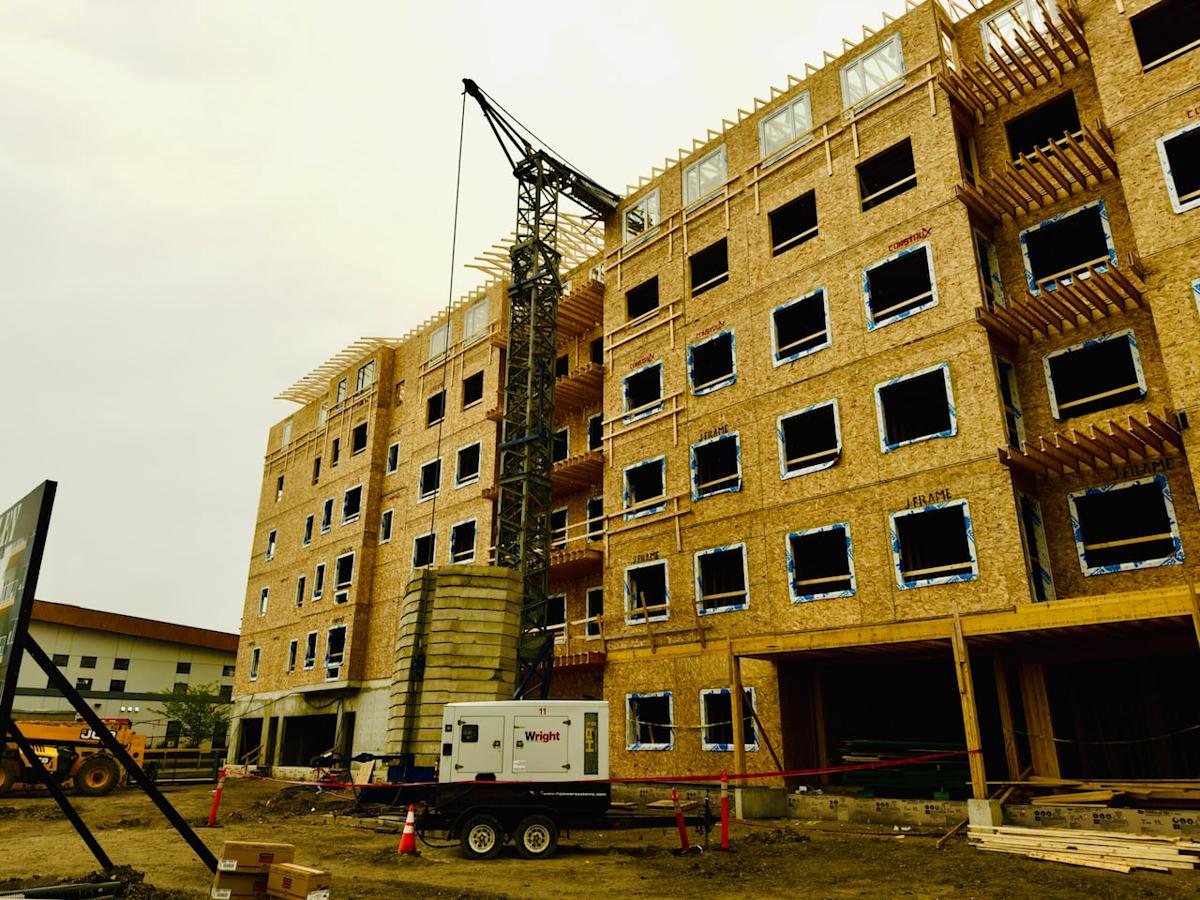
Alberta's housing market is experiencing unprecedented growth in 2026, with new construction permits reaching a 15-year high as the province's decision to avoid rent control measures continues to attract investment and development, according to new data from Canada Mortgage and Housing Corporation.
The province issued 47,300 new housing permits in the first quarter of 2026, representing a 23% increase over the same period last year. Calgary alone accounted for 18,700 permits, while Edmonton saw 14,200 new approvals, marking the strongest quarterly performance since 2011.
"Alberta's market-driven approach is delivering results that speak for themselves," said Real Estate Institute of Canada economist Dr. Sarah Mitchell. "While provinces with rent control are seeing declining rental stock and reduced investment, Alberta is building at a pace that's actually keeping up with population growth."
The construction boom comes as Alberta's population swelled by 184,000 people in 2025, the largest annual increase in provincial history. Despite this influx, average rental rates in Calgary have remained relatively stable, with one-bedroom units averaging $1,340 per month compared to $2,100 in Toronto and $1,890 in Vancouver.
For Calgary residents tracking housing costs, platforms like Calgary Prices show that while home prices have risen 8.3% year-over-year, the rate of increase has moderated compared to other major Canadian cities. The comprehensive data available through CalgaryFinder.com indicates strong activity across all neighbourhood segments.
Alberta's approach stands in stark contrast to provinces like Ontario and British Columbia, where rent control policies have coincided with declining purpose-built rental construction. Ontario saw new rental starts drop by 31% in 2025, while Alberta's rental construction increased by 89%.
Investment Confidence Drives Development
Calgary-based developer Northland Properties announced three major residential projects this week, citing Alberta's regulatory environment as a key factor. "We know our investment won't be subject to arbitrary rent caps that make projects uneconomical," said company president Mark Richardson.
The province's housing minister, Janet Nguyen, emphasized that Alberta's approach prioritizes increasing supply rather than controlling prices. "Our focus remains on removing barriers to construction and letting market forces work," Nguyen said during a press conference in Calgary.
Economic analysts note that Alberta's strategy has created a virtuous cycle where stable returns attract investment, leading to more supply, which helps moderate price increases naturally. The Alberta Real Estate Association reports that inventory levels have improved significantly, with months of supply reaching 2.8 months compared to just 1.4 months in Ontario.
Critics of rent control in other provinces point to Alberta as evidence that market-based solutions can deliver both affordability and supply. However, housing advocates caution that continued monitoring is essential to ensure vulnerable populations aren't displaced by rapid development.
Looking ahead, construction industry leaders predict Alberta will surpass 180,000 new housing starts in 2026 if current trends continue, potentially making it the only province to meet federal housing targets without implementing price controls.