


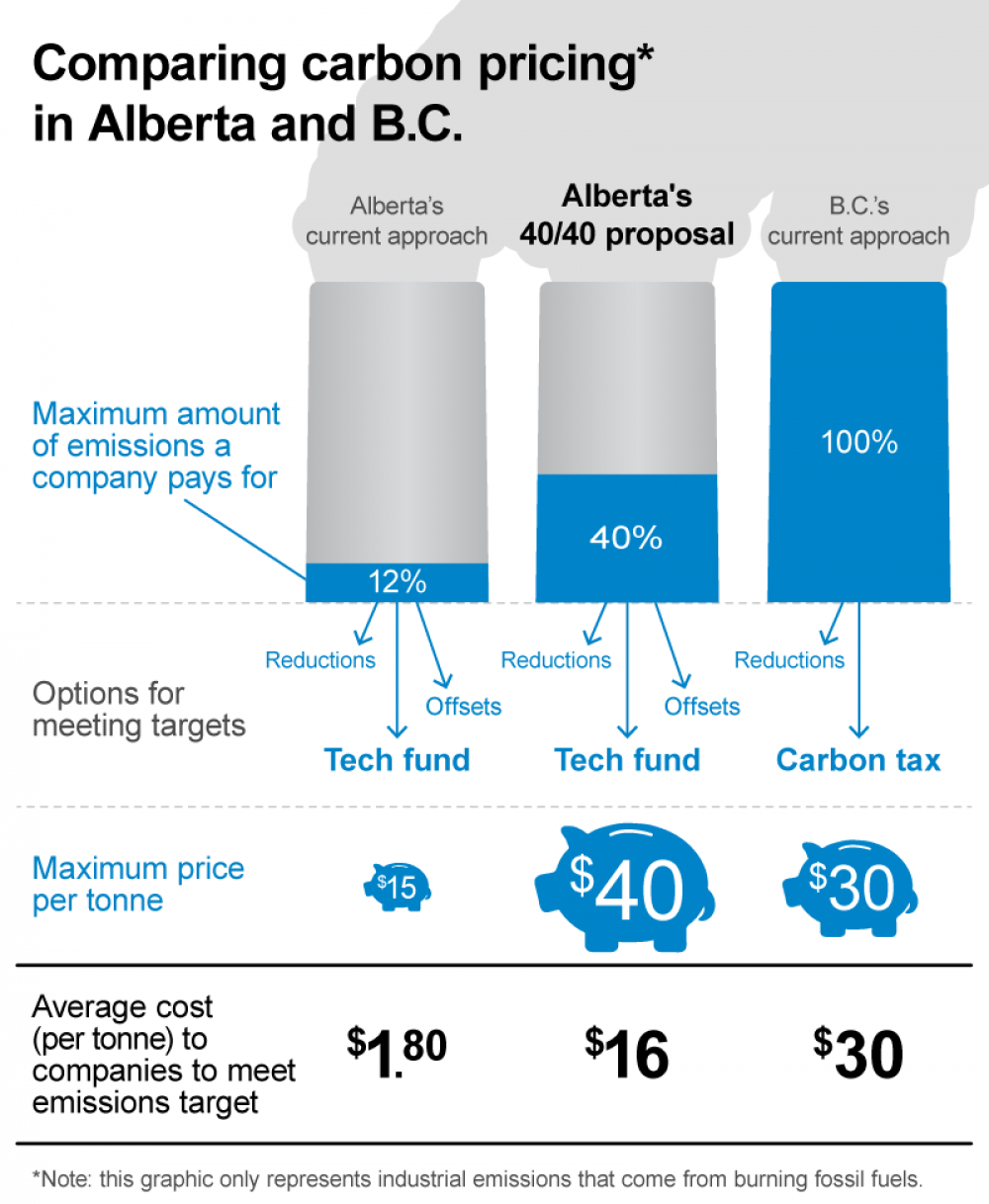
Two influential Alberta figures are demanding Premier Danielle Smith take decisive action on the province's industrial carbon tax, arguing the policy is quietly driving up costs across the board for households and businesses alike.
The industrial carbon tax applied to Alberta's major emission sources—refineries, power generation facilities, and fertilizer operations—creates a ripple effect that extends far beyond the factory floor, according to the critics. Every tonne of carbon priced at the industrial level translates into higher expenses for consumers at the pump, on heating bills, and at the grocery store.
The Cost Cascade
When carbon pricing kicks in at refineries, the cost doesn't stay in the industrial sector. It gets passed along to drivers filling up across Alberta. Electricity and natural gas utilities absorb the carbon tax on their operations, then recover those costs through rate increases that hit residential and business customers during winter months when heating demand peaks.
Agricultural operations face particular pressure. Fertilizer plants operating under carbon pricing restrictions increase their product costs, squeezing farmers whose margins are already tight in a competitive global market. Those increased input costs eventually show up in food prices at checkout counters across the province.
"The government has a choice," the voices argue. "Continue layering costs onto essential services and products, or act decisively to remove the industrial carbon tax burden."
A Growing Conversation
The call for action reflects broader frustration among Albertans watching their cost of living climb. With heating season approaching and fuel prices volatile, pressure is mounting on provincial leadership to examine whether industrial carbon pricing delivers real environmental benefits—or simply makes Albertans poorer.
The debate centres on a fundamental question: Is Alberta's approach to industrial emissions pricing the most effective pathway, or is there a better way to balance environmental responsibility with economic competitiveness and household affordability?
Premier Smith now faces the challenge of weighing competing priorities as stakeholders across the province watch for her next move on climate and energy policy.
This report was originally published by the Calgary Sun.