


Alberta is bracing for economic turbulence as trade negotiations between Canada and the United States collapsed over the weekend, triggering a punishing 50 per cent tariff on Canadian exports and setting the stage for a full-scale tariff war.
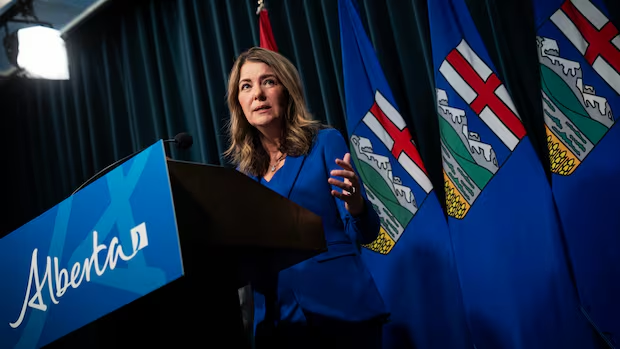
Premier Danielle Smith is urging both sides to return to the negotiating table, but she made clear on her radio show Saturday morning that Washington's last-minute demands crossed a line.
"I hope that they can get back to the table to negotiate something that's more fair," Smith said. "The tariff war is painful."
The collapse came after Prime Minister Mark Carney rejected what he characterized as unreasonable American demands, including restrictions on Canada's ability to sign trade deals with other nations and changes that would have crippled the Canadian automotive sector. The U.S. negotiators also objected to Canadian subsidies for French cultural programs.
Carney announced Saturday that Canada will impose dollar-for-dollar retaliatory tariffs beginning September 8, though Smith expressed hope a deal could be reached before that deadline.
Alberta's Vulnerable Sectors Face Real Pain
Approximately $1.5 billion of Alberta's $188 billion annual trade volume with the U.S. faces disruption, according to Smith. While the province's major energy exports—natural gas and oil—will largely escape the initial impact, other sectors are far more exposed.
Alberta's furniture makers, honey producers, and agricultural equipment manufacturers are particularly at risk, Smith warned. Farmers across the province are also bracing for fallout, especially given the interconnected nature of continental agriculture.
"I know emotionally it feels good to retaliate, I get that," Smith said, expressing caution about Canada's retaliatory approach. "But when retaliation happens, it means everybody buying products from the United States now faces upwards of 50 per cent tariffs."
She also signalled Alberta will not follow other provinces in banning U.S. alcohol imports, citing the province's economic interests.
Small Businesses Face Immediate Hit
Kayode Southwood, a senior policy analyst with the Canadian Federation of Independent Business (CFIB), warned that small enterprises across Canada and Alberta will experience "immediate and significant effects" from the escalating trade dispute.
Smith will convene her cabinet Tuesday to assess the full scope of the tariff measures, review federal relief proposals, and chart Alberta's response. The meeting comes as uncertainty grips Canadian exporters and business leaders scramble to understand the implications for their bottom lines.
WestNet News staff compiled this report based on reporting from CBC Edmonton.