


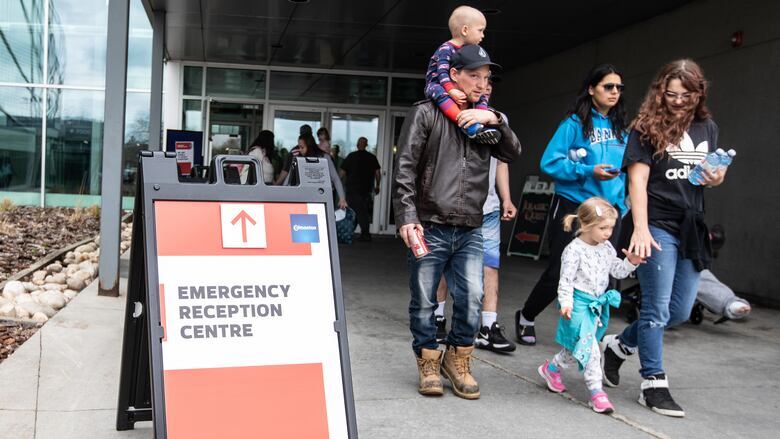
A groundbreaking study out of the University of Calgary is sounding an alarm about Alberta's response to wildfire evacuees—and the findings are troubling.
Researchers who interviewed roughly 30 people displaced by Alberta's devastating wildfire seasons in 2023, 2024, and the catastrophic 2016 Fort McMurray fire have identified serious cracks in the support system. The message is clear: when families flee their homes, the help they receive is inconsistent, poorly coordinated, and dangerously inaccessible for the most vulnerable.
Who Suffers Most?
The research paints a harsh picture of inequality. Renters, low-income workers, older adults, and families without adequate insurance coverage face the steepest challenges. While some Albertans have resources to weather the storm—savings, insurance payouts, family networks—others are left in a terrifying limbo.
"People's support needs don't just end when they're out of the area of wildfire risk," said Julie Drolet, a professor in the Faculty of Social Work at the University of Calgary leading the research. "They continue to need support when they're displaced."
What happens after evacuation orders are lifted is equally troubling. Many evacuees can't return home—or find their homes destroyed or uninhabitable. Yet support systems often assume people will simply go back, leaving those with nowhere to return in a dangerous gap.
Coordination Breakdown
The research reveals that support providers aren't talking to each other effectively. Emergency services, housing assistance programs, mental health resources, and financial aid operate in silos, leaving evacuees to navigate a bewildering maze of bureaucracy while their lives are in chaos.
Some supports exist but are practically impossible to access. Others are unevenly distributed, creating a postcode lottery where help depends on which agency responds first or which region you're evacuated to.
As Alberta faces an increasingly severe wildfire season—with warmer temperatures and longer dry spells creating perfect conditions for larger, faster-moving fires—this research demands urgent action.
The preliminary findings suggest Alberta's emergency management system needs a complete overhaul. Support can't be a patchwork of well-meaning organizations working independently. Instead, there needs to be integrated planning that anticipates the full scope of what evacuees need: emergency housing, income replacement, counselling, childcare, and long-term reconstruction support.
"We need to design a better system," Drolet's findings suggest—one that treats evacuation support not as a temporary crisis response, but as a sustained commitment to helping Albertans rebuild.
This story is based on research from the University of Calgary Faculty of Social Work. The full study results are still being compiled and will be published in the coming months.
Original reporting by Edmonton Journal. WestNet News is committed to covering the stories that matter to Albertans facing real challenges in our communities.