


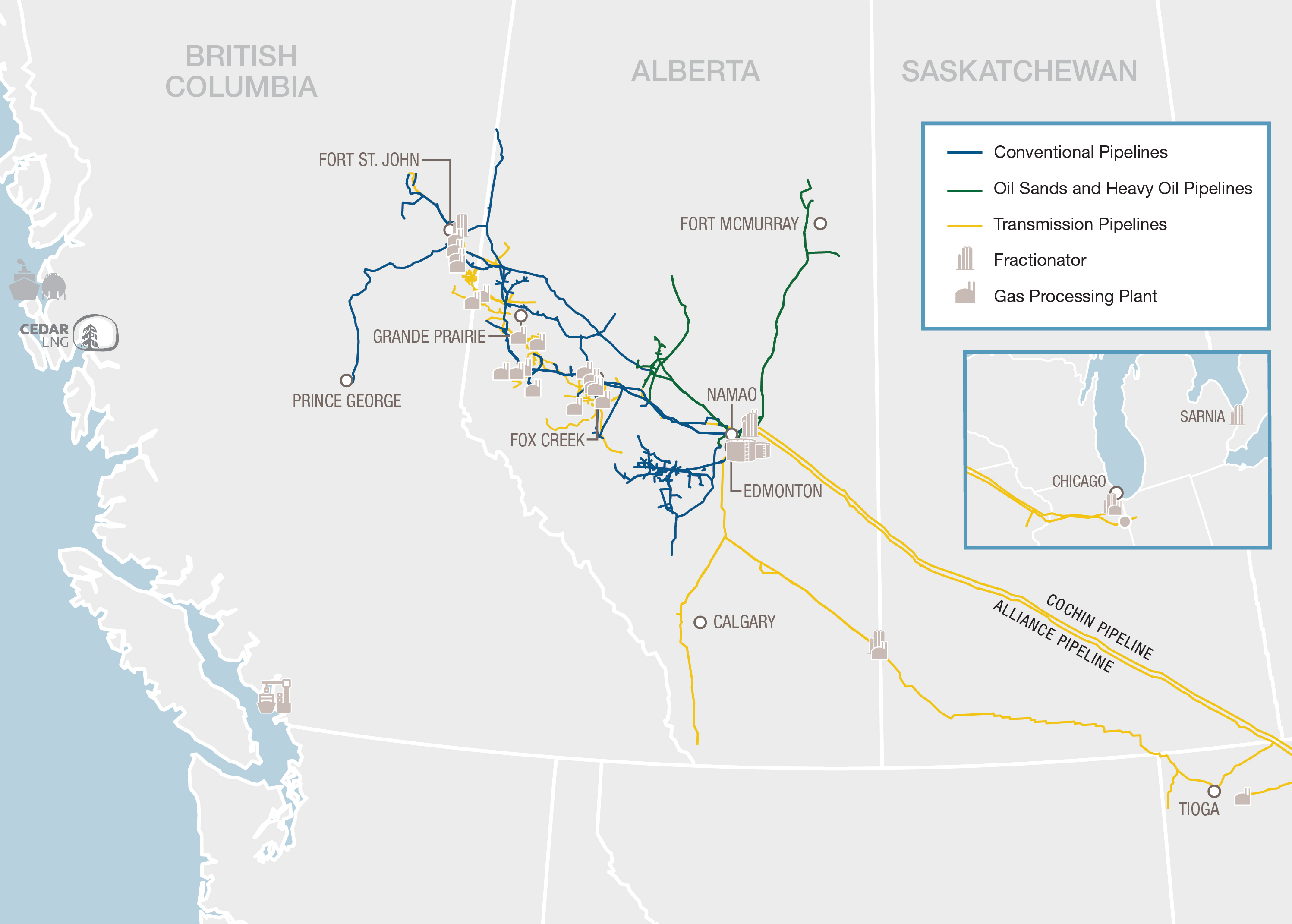
British Columbia's Energy Minister Adrian Dix has firmly rejected any possibility of routing a controversial Alberta pipeline through northern B.C., calling the proposal unrealistic and unsupported by both economics and public policy.
Dix's comments come after reporting by The Globe and Mail revealed that federal government sources are leaning toward a southern route for the pipeline project—a significant shift from earlier discussions that had focused on northern corridors.
"The northern route, in my view, is not a realistic proposal," Dix told reporters Tuesday. "It's not realistic because the tanker ban's in place for a good reason, for communities and for the economy."
The B.C. government has maintained a hard line on the northern option, citing a decade-old oil tanker ban along the North Coast—a policy enacted to protect coastal ecosystems and communities. B.C. officials have also pointed out that the northern corridor was never part of the initial discussions before Alberta and Ottawa signed their memorandum of understanding last November.
The Economics Don't Add Up
Beyond environmental and policy concerns, Dix emphasized the financial reality: "No person would pay for it." The energy minister suggested that private sector investors simply won't fund a northern pipeline given the regulatory and public opposition barriers.
Alberta Premier Danielle Smith's government, meanwhile, said it is evaluating all possible routes as it prepares a submission to the federal Major Projects Office. The pipeline project currently has no private sector backer and remains unfunded.
What's Actually On the Table
The pipeline dispute is tied to a broader energy agreement struck between Ottawa and Alberta last fall. The deal gives Alberta special exemptions from federal environmental laws but comes with conditions: any new pipeline must be privately financed and paired with a major carbon-capture project.
B.C. has been pushing an alternative strategy—maximizing capacity on existing infrastructure like the recently-expanded Trans Mountain Pipeline rather than building new routes from scratch.
First Nations Consent Still Required
Regardless of which route Ottawa ultimately prefers, First Nations leaders have made clear that any pipeline project—northern or southern—will require free and informed consent from Indigenous nations along the corridor.
Dix indicated the B.C. government is open to working with Ottawa on the file, particularly if federal officials are moving away from the northern option. "If this report indicates a federal government acceptance to that point of view, I think that's a good development," he said.
The pipeline proposal sits at the intersection of competing energy ambitions, environmental protection, Indigenous rights, and federal-provincial tensions—making it one of Canada's most complex energy questions heading into 2026.
This article is based on reporting by CBC Politics. Read the original coverage at CBC News.