


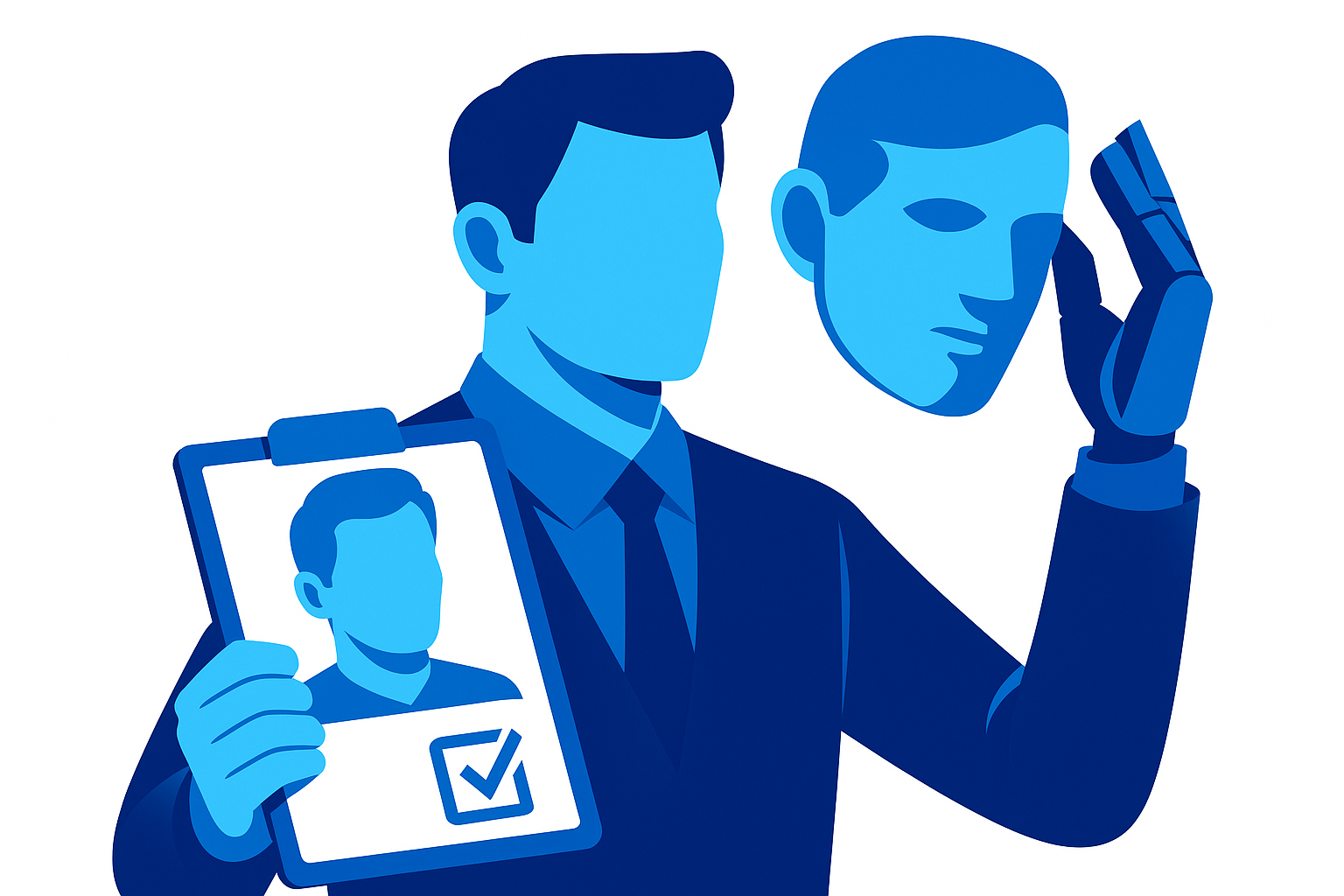
It started with what seemed like the perfect candidate. After eight weeks and seven rounds of interviews, a Toronto-based podcast analytics company thought they'd found their next team member. He was articulate, technically sharp, and genuinely personable. The hiring team liked him. An offer was days away.
Then the red flags began—subtle at first, almost invisible in isolation. But together, they painted a troubling picture.
The Pattern Emerges
Fatima Zaidi, founder and CEO of CoHost, a podcast growth tool, recalls the moment her team started noticing inconsistencies. "His technical answers were almost too polished," Zaidi explained. "Not just confident, but frictionless in a way that felt rehearsed."
When reference checks began, the first contacts responded instantly via email—unusual for strong candidates, who typically coordinate ahead of time. All references listed Gmail addresses. They explained being between jobs. Plausible enough to continue.
But independent verification raised eyebrows. LinkedIn searches for the references yielded almost nothing—profiles were thin, newly created, or inactive. One reference never responded at all. When the team flagged it, the candidate quickly swapped in a replacement.
The breakthrough moment came during a video call with a reference. "The person mirrored our candidate's speech patterns, his mannerisms—the way he moved was almost identical," Zaidi said. A subtle voice and video filter became apparent only when viewed as part of a larger pattern.
The Fake Crumbles
When the team requested verifiable corporate email addresses and direct HR contacts from previous employers, the candidate refused. Instead, he pushed to accelerate the hiring timeline.
The rejection email was sent. Within 30 minutes, the candidate's LinkedIn profile vanished. References disappeared from the internet. Phone numbers disconnected. Every digital trace was erased simultaneously—a speed that confirmed the suspicion: they'd spent two months interviewing someone who didn't exist.
"Competence has texture. Fluency without texture is a warning sign."
An Emerging Threat Across Canada
What CoHost encountered is part of a growing wave of AI-assisted candidate fraud—a sophisticated scam where deepfake technology creates entirely fabricated personas complete with work histories, fake references, and manipulated video footage.
"This isn't a story of a green team with unsophisticated hiring practices," Zaidi emphasized. "This is a story about how good these scams have become, and how completely unprepared many hiring teams are to catch them."
The company runs background checks through third-party verification services and maintains strict security protocols. Yet the scam nearly bypassed all of it.
For Canadian hiring managers and HR professionals, the message is clear: AI-assisted candidate fraud isn't a future problem. It's happening now, targeting companies across the economy—from startups to established firms. Background check firms are now the critical line of defence, but the sophistication of these scams means vigilance at every stage of recruitment is essential.
This article is based on reporting by BetaKit, a leading Canadian technology news publication. Read the full story at BetaKit.com.