


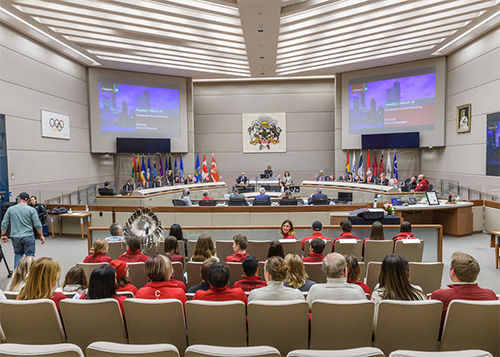
Calgary city council spent eight gruelling days this spring listening to 411 speakers and reviewing nearly 3,300 written submissions on blanket rezoning—a policy that has become one of the most contentious issues in municipal politics. But a troubling question lingered throughout the marathon public hearings: were councillors genuinely open to persuasion, or was the exercise largely ceremonial?
The numbers tell a revealing story. When council first voted in December to begin repealing blanket rezoning, the decision was 13-2. After weeks of public hearings that concluded April 8, the final vote to repeal was 12-3—a shift of just one vote. Mayor Jeromy Farkas and more than half of the participating councillors had publicly committed to repealing the policy during last fall's election campaign, months before hearing a single public speaker.
Despite this reality, Mayor Farkas hailed the hearings as "direct democracy in action," suggesting the process would guide council's future work on housing and growth management.
The Open-Mind Requirement
Calgary's city solicitor has repeatedly reminded council members they cannot arrive at public hearings with their minds already made up. They are legally and ethically obligated to remain "amenable to persuasion," even on issues that dominated election campaigns. This expectation was reinforced during the largest public hearing in council's history two years ago—which also focused on blanket rezoning.
Yet the expectation and reality diverged sharply this time. Ward 3 Councillor Andrew Yule emerged as the only council member to actually change his position, initially supporting the repeal process in December before opposing it after hearing public input.
"Everyone was taking notes, and for many of my council colleagues, it's going to inform motions that they're bringing back to council in the coming weeks or months," Mayor Farkas told CBC Radio's Calgary Eyeopener.
When pressed about his own pre-election commitment to repeal, Farkas insisted he remains willing to change his mind based on evidence, citing past criticism for flip-flopping on previous council votes.
What Happens Next?
The repeal of blanket rezoning leaves Calgary facing immediate questions about housing policy and affordability. Shameer Gaidhar, chair of the Calgary Inner City Builders Association, warned that without a replacement policy, the city risks a housing affordability crisis and could lose developer investment to other Alberta communities.
Whether the detailed feedback from public hearings will actually shape a new housing strategy—or whether council will simply move forward with its pre-determined direction—remains to be seen. For now, the debate has shifted from whether blanket rezoning should exist to what comes next.
This article is based on reporting from CBC Calgary.