


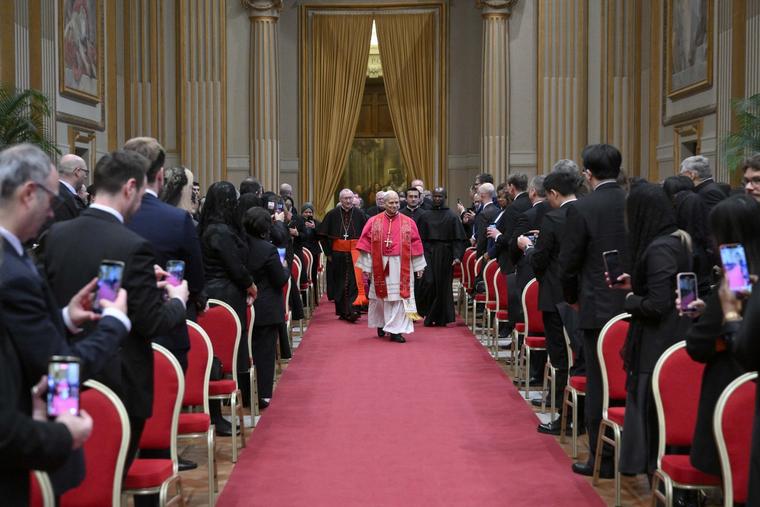
A diplomatic dispute is unfolding between the Vatican and the Pentagon over competing accounts of a January meeting that has sparked questions about church-state relations in the United States.
The Pentagon issued a forceful denial Thursday, stating that Elbridge Colby, undersecretary of defence for policy, had a "respectful and reasonable discussion" with Cardinal Christophe Pierre on January 22. The department called recent reporting "grossly false and distorted" on social media platform X.
"We have nothing but the highest regard and welcome continued dialogue with the Holy See," the Pentagon said in its statement.
The dispute centres on a report published Monday by digital outlet The Free Press, which characterized portions of the meeting as a "bitter lecture warning that the United States has the military power to do whatever it wants." The publication cited anonymous Vatican officials briefed on the encounter.
Vatican Issues Its Own Denial
Vatican spokesperson Matteo Bruni responded Friday in Italian, rejecting what he called a false narrative. "The narrative offered by some media outlets regarding this meeting does not correspond at all to the truth," Bruni stated to reporters.
Bruni described the January 22 meeting as "an exchange of views on matters of mutual interest," differing sharply from The Free Press characterization.
The controversy erupted following comments made by Pope Leo XIV in early January, when the pontiff delivered an address criticizing what he described as a global "zeal for war." In that speech, delivered January 9 from the Vatican, Leo lamented that post-World War II principles prohibiting military force across borders have been "completely undermined."
"The principle established after the Second World War, which prohibited nations from using force to violate the borders of others, has been completely undermined."
Catholic news agencies covering the story characterized Leo's address as a call for multilateralism and international law compliance—a message some observers viewed as indirect commentary on recent U.S. military operations.
Fresh Statement From U.S. Ambassador
U.S. Ambassador to the Vatican Brian Burch added fuel to the discussion Thursday when he posted on X that Cardinal Pierre had directly confirmed to him that media characterizations of the meeting were "fabrications" that were "just invented."
Burch stated that Pierre described the January meeting in Washington as "frank and cordial"—language markedly different from The Free Press account.
Cardinal Pierre, originally from France, stepped down last month after a decade serving as the Vatican's representative to the United States. He has not personally commented on the disputed meeting, instead allowing official channels to address the dispute.
Timing Raises Questions
The January 9 papal address came just five days after a surprise U.S. military operation that resulted in the seizure of Venezuelan leader Nicolás Maduro, lending potential context to the pontiff's remarks about military force and international law.
The clash highlights ongoing tensions between religious institutions and the current U.S. administration, with some observers noting concerns about separation of church and state as Defence Secretary Pete Hegseth and other officials have engaged with religious communities.
This article is based on reporting from CBC World. For complete coverage, visit CBC News.