


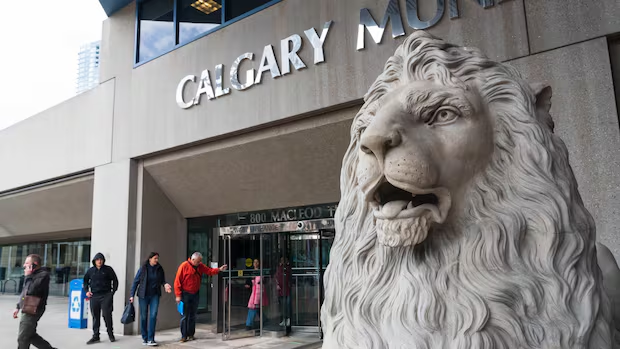
Calgary residents are bracing for significant increases in property taxes and water bills as the city grapples with a massive infrastructure overhaul that will push municipal debt to $10 billion by the end of the decade.
The proposed 2027-2030 budget, now under debate at city council, paints a stark picture of fiscal pressures ahead. Current debt stands at $3.7 billion, representing 40 per cent of the city's legal borrowing limit. By 2030, that debt load will nearly triple to $10 billion—reaching 80 per cent of the municipal ceiling.
The numbers underscore a reality facing many North American cities: decades of deferred maintenance and aging infrastructure are coming due all at once. Calgary is working to address a staggering $49-billion infrastructure deficit, a challenge that will require both immediate investment and long-term borrowing.
"The Largest Capital Program Ever"
Les Tochor, Calgary's chief financial officer, described the budget as groundbreaking in scope. "This has the largest capital program the city of Calgary has ever seen," Tochor said. "We have to look at how we're going to fund it and how we're going to pay for it."
The burden falls not just on future taxpayers, but on current ones. City projections show that by 2030, nearly two per cent of additional property tax revenue will be required simply to service the new debt—money that could otherwise fund services or be returned to residents.
Mayor Jeromy Farkas framed the challenge as one inherited from previous councils. "This council has to figure out how to pay for big ticket items that past councils already agreed to—like the new arena—or ignored, like crumbling infrastructure," Farkas said.
Stretching the Budget Like a Mortgage
The mayor drew a comparison many Calgarians will understand: borrowing for long-lasting assets. "If we know that an asset is going to last 35 years, I think it makes sense, like any family would, to take out a mortgage," Farkas said, pointing to revenue-generating facilities like recreation centres that offset borrowing costs through user fees.
Council is exploring ways to ease the burden. Councillor Andre Chabot revealed discussions with the Alberta provincial government about extending the repayment timeline for municipal debt. "If we can get them to allow us to extend the duration of the debt, we could reduce the year-over-year increase," Chabot explained.
The city operates under strict debt limits: total debt cannot exceed 1.6 times annual city revenue, while debt servicing costs must stay below 0.28 times revenue. The gap between current and projected levels suggests Calgary is approaching these thresholds more quickly than residents—or councils—may prefer.
For Calgarians concerned about the cost-of-living pressures already affecting the region, the budget projections offer little relief. Water rates, property taxes, and the overall tax burden are all expected to climb as the city races to modernize infrastructure many residents take for granted.
Information for this report came from coverage by CBC Calgary.