


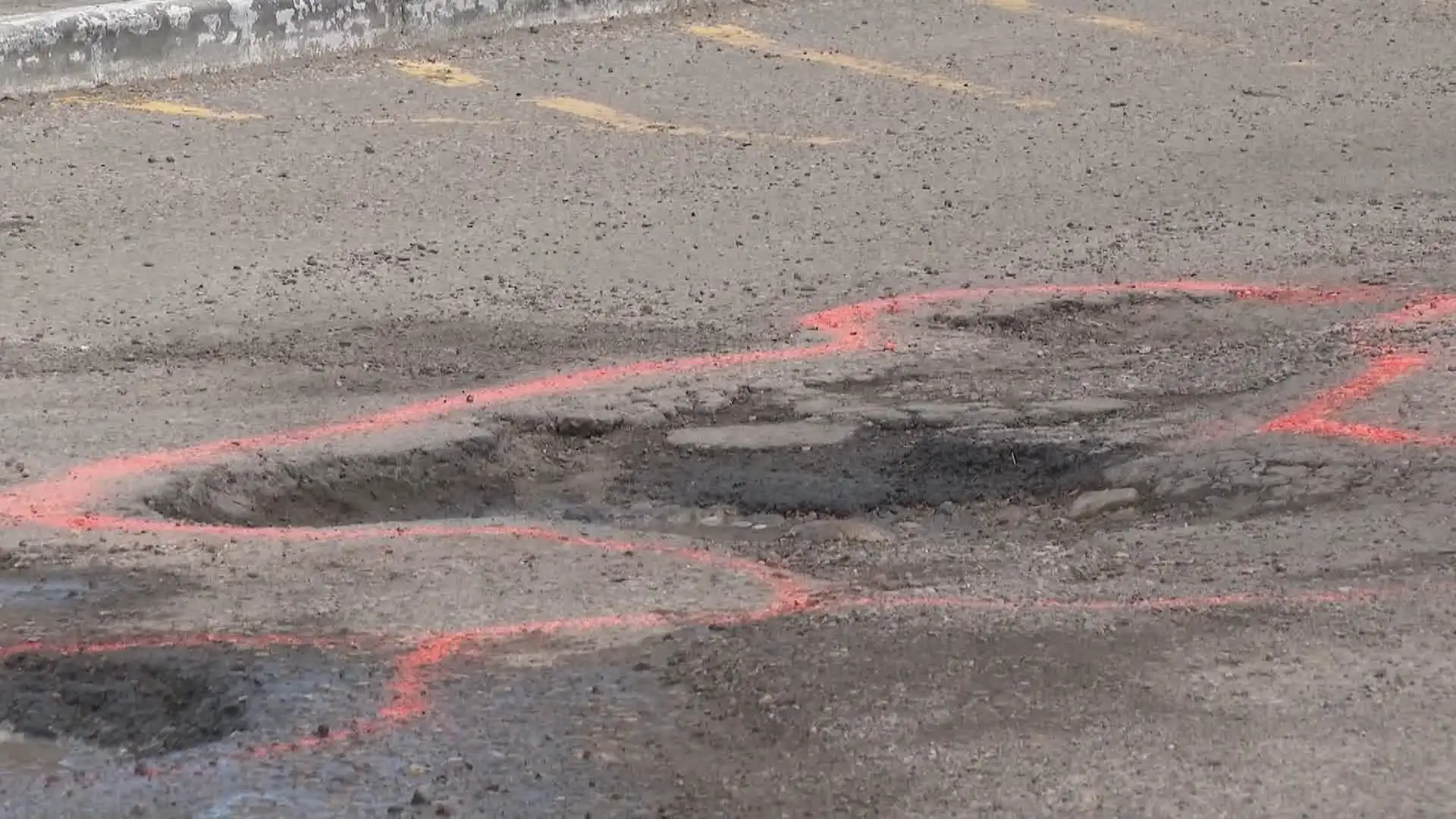
Calgary drivers are bracing for what could be a brutal pothole season, as the City struggles to keep pace with road damage caused by wild spring weather swings.
The culprit? Classic freeze-thaw cycles that wreak havoc on pavement from January through April. When moisture seeps into road cracks, freezes beneath the surface, then thaws, it leaves behind dangerous voids that quickly become hazardous potholes.
The Perfect Storm for Road Damage
"Potholes typically form when moisture penetrates the surface of the road, freezes below the surface creating an ice pocket," explained Chris McGeachy of the City of Calgary roads department. "The pocket melts and there's a void there, and when driven over becomes the pothole."
What's making this year particularly challenging? The same crews responsible for clearing winter snow are also tasked with filling potholes. With an extended winter and unpredictable weather patterns, pothole repair work has fallen behind schedule.
"Our crews are responding to potholes, but of course with the kind of extended winter, the blitz did start a little later," McGeachy noted. "Our focus here up until sweeping is blitzing the potholes."
The Financial Toll on Drivers
Local mechanics are already seeing the damage—and hearing from frustrated customers with depleted wallets. Brandon Dawborn, owner of Chetlen Auto Tech and Repair in south Calgary's Willow Park community, said pothole-related repairs are spiking.
"If you hit a pothole and it bends your rim, all of a sudden you got some vibrations going on. $500, anywhere up to $1,000 if you're replacing rims," Dawborn explained. "On an all-wheel-drive vehicle, if you damage one tire, you have to get a whole new set of tires all the way around."
The frustration is compounded by the fact that many drivers have no control over the situation. "It does draw a lot of customers and it really sucks, because a lot of times it's not how they're driving or anything. It's just the road driving on," Dawborn added.
By The Numbers
The scale of the problem is staggering. In 2025, Calgary's crews have already filled 35,855 potholes—though this is slightly fewer than the 37,850 repairs completed in 2024, which set a city record.
Provincial roads like Deerfoot Trail present additional complications. With up to 180,000 vehicles using the route daily, Alberta transportation officials say most repairs must happen during night hours or off-peak times to minimize traffic disruptions.
Help Reporting Problem Roads
The City of Calgary has launched an online reporting tool allowing drivers to flag potholes and monitor repair status through an interactive map. If you encounter a particularly nasty road hazard, submitting a report could accelerate repairs in your neighbourhood.
The real test comes in May, when city officials will assess whether this year's pothole season exceeds previous records. With April traditionally bringing heavy snow to Alberta, repair crews may face additional challenges before the season winds down.
Drivers frustrated with road conditions can join ongoing community discussions about Calgary infrastructure on Calgary Forums, where residents share road hazard reports and repair updates.
This article is based on reporting from Global Calgary.