


While Albertans debate oil, gas, and electricity, a critical piece of the province's energy security puzzle sits quietly in basements and mechanical rooms across the region: heating and cooling systems.
The numbers tell a sobering story. Globally, heating and cooling account for roughly half of all energy consumption, yet more than 80 per cent of that demand still relies on fossil fuels. In Canada, the picture is even starker—space heating and water heating make up more than 60 per cent of residential energy use, with natural gas powering the majority of those systems.
For Alberta, this creates a structural vulnerability that energy planners have largely overlooked.
The Vulnerability Nobody's Addressing
Even as a major energy producer, Alberta's thermal infrastructure remains exposed to price volatility, supply chain constraints, and mounting emissions pressures. Yet when governments and energy strategists talk about energy security, the conversation centres almost exclusively on electricity grids and fossil fuel supplies—leaving heating and cooling systems fragmented, underdeveloped, and almost entirely absent from energy security planning.
"This is where the conversation must shift," according to energy security analysts examining Canada's long-term resilience. "We're building policy around visible energy sources while ignoring systems that touch nearly every home and business in the province."
A Global Wake-Up Call
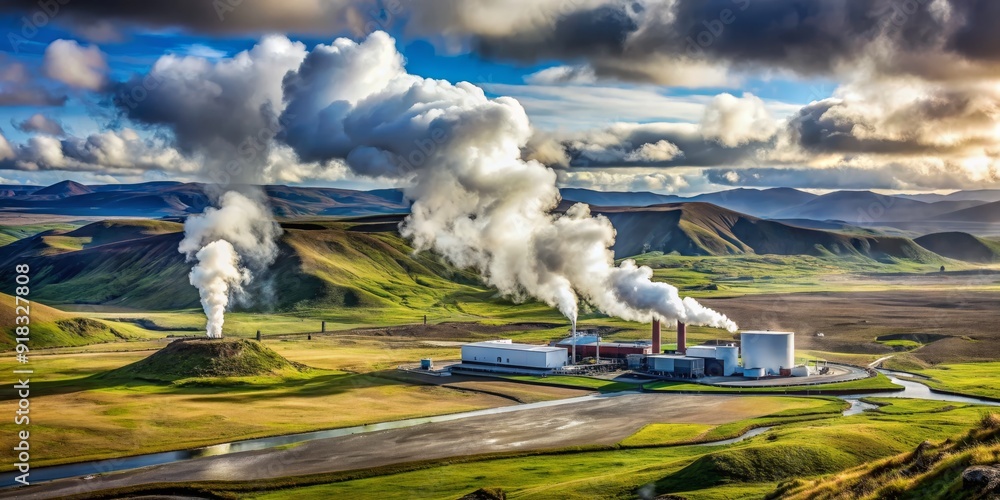
The timing couldn't be more significant. Calgary will host the World Geothermal Congress in June 2026, bringing global attention to renewable thermal energy at a moment when geopolitical tensions are reshaping energy markets worldwide. Iceland offers a compelling case study: the Nordic nation has transformed its energy system through sustained investment in geothermal infrastructure, with approximately 90 per cent of homes now heated geothermally rather than through fossil fuels.
That model—proven, scalable, and already operating at scale—sits largely unexplored in Alberta's energy planning documents.
What's at Stake
As global energy markets grow more volatile and supply chains face new pressures, Alberta faces a choice. Continue relying on aging natural gas infrastructure vulnerable to price shocks and supply disruptions, or invest in diversified, resilient thermal energy systems that could insulate the province from future uncertainty.
The World Geothermal Congress offers Alberta a platform to lead this conversation—and a chance to address the energy security blind spot that's been hiding in plain sight.
This article is based on reporting from the Calgary Herald. Read the original piece at Calgary Herald.