


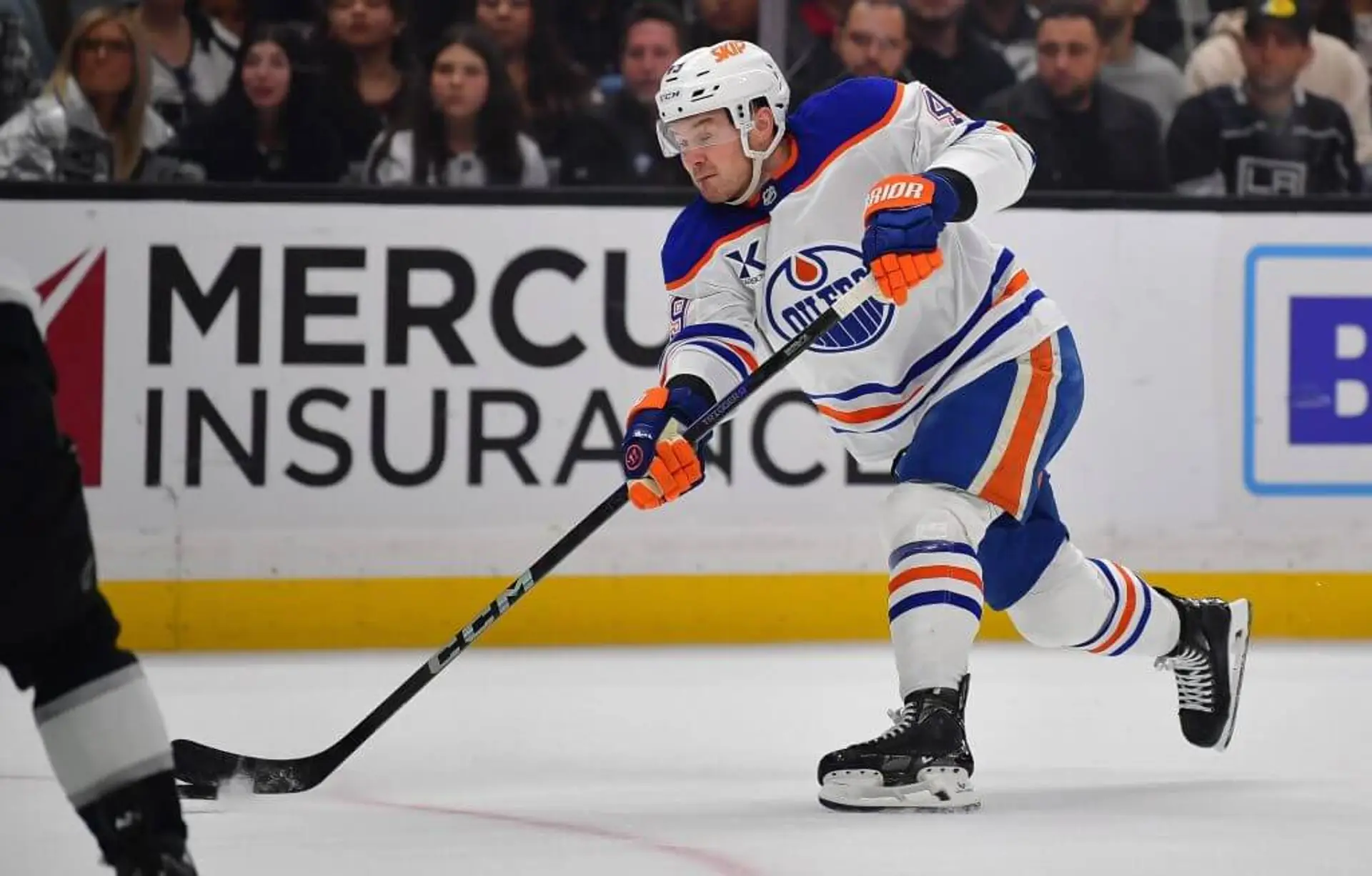
Ty Emberson made waves with the Edmonton Oilers last season, delivering solid performances that caught the attention of coaches and fans alike. After a respectable regular season, the hard-nosed defenceman continued to hold his own through the 2026 playoff run, proving he could compete when the stakes are highest.
Yet despite his above-average play in a supporting role, questions linger about Emberson's long-term viability in the NHL. The reason? His style of play — aggressive, physical, and unyielding — has historically been a liability for defenders trying to carve out sustainable careers at hockey's highest level.
The Physical Defenceman's Paradox
In modern professional hockey, the hard-nosed, crash-and-bang defenceman often finds himself on thin ice. The league has evolved toward speed, positioning, and technical skill. Players who rely heavily on physicality and edge work frequently struggle to adapt as they age or face more disciplined competition.
"Players like Emberson face constant pressure to reinvent themselves," said one NHL scout familiar with the Oilers' blue line. "The ones who make it are those willing to evolve their game beyond the hitting."
Can He Defy the Odds?
Emberson's performance this past season suggests he might have what it takes to buck the trend. His positioning improved, his decision-making showed maturity, and his willingness to learn was evident. Whether he can sustain this trajectory while maintaining the physical identity that defines his game remains the central question.
For Edmonton Oilers fans hoping to build a competitive defence corps, Emberson represents an intriguing case study: Can a player whose natural instincts centre on physicality succeed in an era that increasingly rewards finesse?
The answer could define not just his career, but the Oilers' blue line for years to come.
This article is based on reporting from the Edmonton Journal.