


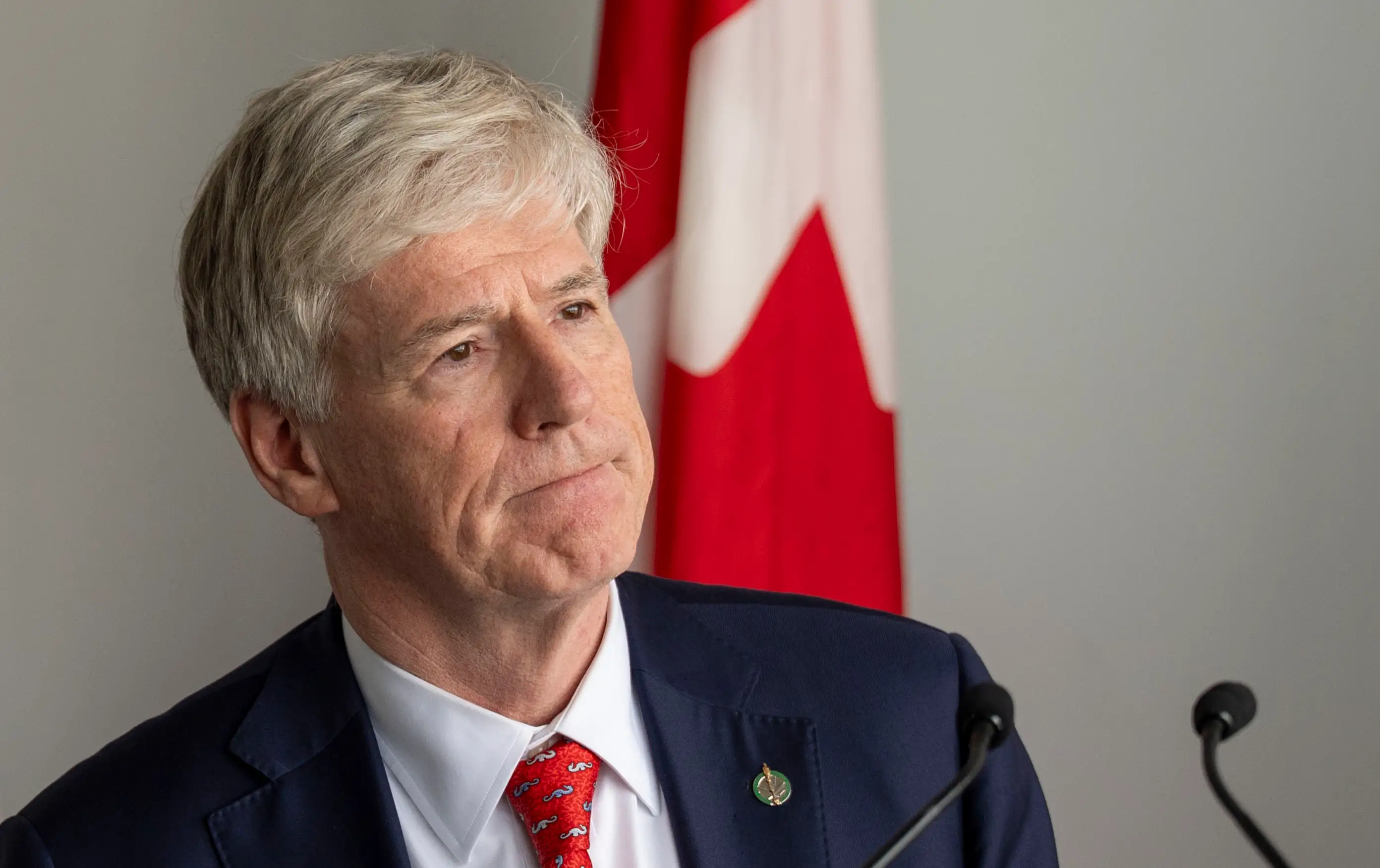
Canada is preparing to play its strongest hand in high-stakes negotiations with the United States over the future of continental trade, with federal energy leadership explicitly naming the nation's massive energy sector as the centrepiece of its negotiating strategy.
Energy and Natural Resources Minister Tim Hodgson made the declaration Friday during remarks in Toronto, signalling that as CUSMA (the Canada-U.S.-Mexico Free Trade Agreement) enters its review phase, energy exports will occupy a central position in discussions between Ottawa and Washington.
"I spent my whole life doing deals," Hodgson said. "Ultimately, it is about knowing which cards are your best and playing them effectively. Energy, electricity, forest products, minerals — these are our best cards."
The numbers support the aggressive positioning. In 2024 alone, Canadian energy product exports to the U.S. — encompassing crude oil, natural gas, and electrical power — totalled nearly $170 billion, according to analysis from TD Bank. That economic muscle translates into real leverage in trade discussions.
The Gasoline Gauge: How Canadian Energy Impacts American Consumers
The interdependence runs deeper than headline figures suggest. TD Bank's analysis reveals that tariffs imposed on Canadian crude oil could trigger immediate increases in U.S. gasoline prices of $0.30 to $0.70 per gallon — a direct hit to American consumers' wallets that would create domestic political pressure on U.S. negotiators.
The electricity supply is equally critical. Ontario alone supplies power to approximately 1.5 million American households across Michigan, Minnesota, and New York, creating another dependency that strengthens Canada's negotiating position.
"Remove Canadian energy exports from the equation and the trade story flips," the TD Bank report noted. "Ex-energy, the U.S. enjoys a trade surplus with Canada of around C$60 billion (US$45 billion)."
In other words, without energy sales, Canada would be at a significant disadvantage in continental trade calculations — making the energy sector not just important, but existential to Ottawa's negotiating posture.
Nuclear and Electricity: The Next Frontier
Looking ahead, Hodgson outlined an ambitious second-year agenda focused on developing a comprehensive electricity and nuclear energy strategy. The reasoning is straightforward: emerging sectors that will define North American competitiveness — artificial intelligence, advanced manufacturing, and mineral processing — all depend on reliable, affordable electrical power.
The federal government has committed to advancing at least five to 10 major energy infrastructure projects to either reach final investment decision status or break ground by spring 2027, signalling a significant capital injection into the sector.
That ambition includes acceleration of the Canada-Alberta pipeline deal, a memorandum of understanding signed in November between Prime Minister Mark Carney and Alberta Premier Danielle Smith. The pipeline project represents both economic opportunity and strategic leverage — new infrastructure to move Canadian resources south while simultaneously demonstrating to U.S. counterparts what stands to be lost if trade relationships deteriorate.
Trump Administration Signals Openness
Recent moves by U.S. President Donald Trump have added another layer to the negotiations. Last week, the Trump administration issued several pipeline permits facilitating the transportation of crude oil and petroleum products between Canada and the U.S., including permits for new pipeline construction. The timing suggests receptivity to infrastructure expansion — though whether that receptivity extends to broader trade negotiations remains unclear.
Hodgson's strategic framing reflects a calculation that energy is Canada's most defensible and valuable asset in any trade renegotiation. With billions in annual exports at stake and American energy security fundamentally dependent on Canadian supplies, Ottawa believes it holds cards worth playing.
This story is based on reporting from Global News Canada.