


Canada's oil and gas industry is eyeing significant gains as geopolitical tensions in the Middle East reshape global energy markets, potentially elevating demand for North American energy sources and raising commodity prices to levels that could benefit domestic producers.
The recent ceasefire between the U.S., Israel, and Iran has left the critical Strait of Hormuz in a precarious state — neither fully open nor closed — creating sustained uncertainty for energy-dependent nations across Europe and Asia. That instability is generating exactly the conditions Canadian energy firms have been hoping for: elevated prices coupled with reduced confidence in traditional Middle Eastern suppliers.
A Strategic Window Opens
"It'll be easier for the Canadian government to argue for greater investment from Asian countries in Canadian energy," said Joe Calnan of the Canadian Global Affairs Institute, noting that energy-starved nations are now actively diversifying their supply chains away from volatile regions.
According to energy analysts at Wood Mackenzie, the countries most vulnerable to sustained fuel shortages — including South Korea, Italy, Japan, and the United Kingdom — are facing potential electricity cost increases ranging from 27 to 80 per cent if energy prices remain elevated throughout 2026. That desperation is driving interest in alternative suppliers like Canada.
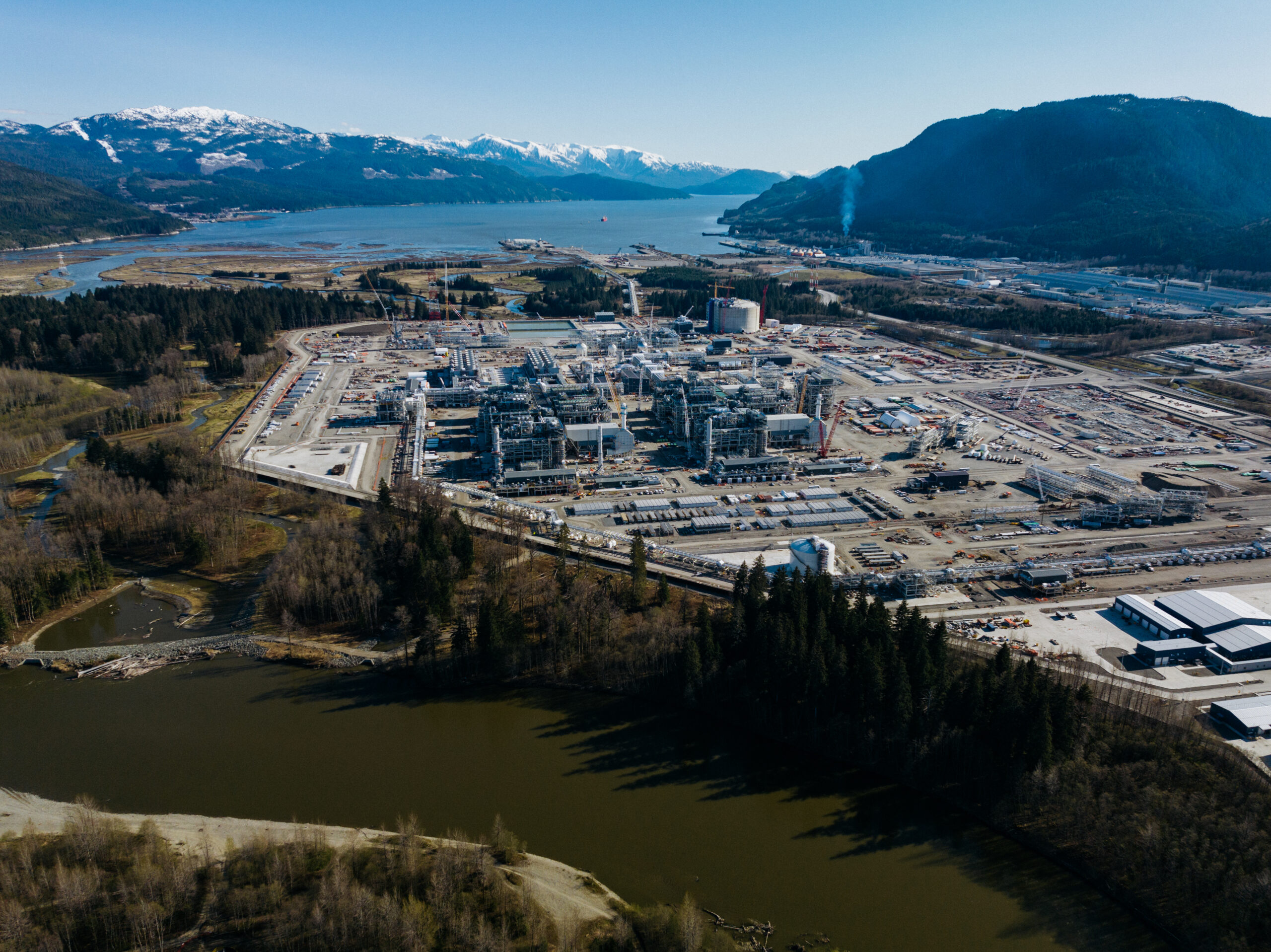
Major LNG Canada projects are already ramping up production at a critical moment, positioning the country to capture market share from traditional Middle Eastern producers. The timing could hardly be better for domestic energy companies seeking long-term export contracts.
The Balancing Act
Industry observers note that the outcome depends on a delicate equilibrium. Oil prices need to rise enough to make Canadian projects economically attractive to international investors — but not so high that they destabilize the global economy and trigger a demand collapse.
"The crisis may have been just severe enough to raise the value of Canada's biggest export — crude petroleum — without sending it so high that it crashes the global economy," analysts suggest. A scenario in which fuel prices gradually normalize in the second half of 2026 would deliver maximum benefit to Canadian producers while allowing international markets to stabilize.
However, that outcome remains uncertain. The ceasefire itself is disputed by both parties, and reports of renewed Iranian closures of the Strait of Hormuz indicate the situation could escalate at any moment.
Ripple Effects Across Markets
Countries most dependent on imported fuels are bracing for sustained price impacts. South Korea and Italy face the most severe exposure, while transportation sectors in regions like Ireland are already experiencing disruption from fuel-related protests and port blockades.
For Canada, the geopolitical upheaval represents an unexpected opportunity — provided stability holds and global markets don't spiral into recession.
This article is based on reporting from CBC Politics. Read the original analysis at CBC News.